

The first airmail
Carrier pigeons were air messengers before humans "set foot" in the sky, and the first real airmail in human history was delivered by hot air balloon. On January 7, 1785, Pierre Blanchard and John Jeffreys took a hot air balloon, took off from Dover, England, flew across the English Channel, and landed in Calais, France. The whole journey was about 40 kilometers, writing the first page of the history of airmail.
The first flight
On September 19, 1783, the Montgolfier brothers performed a hot air balloon launch show for King Louis XVI, the Queen, the court ministers, and 130,000 Parisians in front of the Palace of Versailles in France, and put animals into the hot air balloon for the first time: a rooster, a duck, and a sheep. The reason for choosing these three animals is that the physiological state of sheep is similar to that of humans. The duck can fly, but the rooster cannot fly at high altitudes as a control group. The hot air balloon flew for 8 minutes at an altitude of 600 meters above Versailles before landing. The three animals were safe and sound, proving that flying in the air would not cause death. On November 21 of the same year, French scientist Pilatre Derozier boarded a hot air balloon modified by the Montgolfier brothers for "human flight" and flew for 25 minutes from the west of Paris, completing the first human flight. This flight was 120 days earlier than the Wright brothers’ airplane flight. .
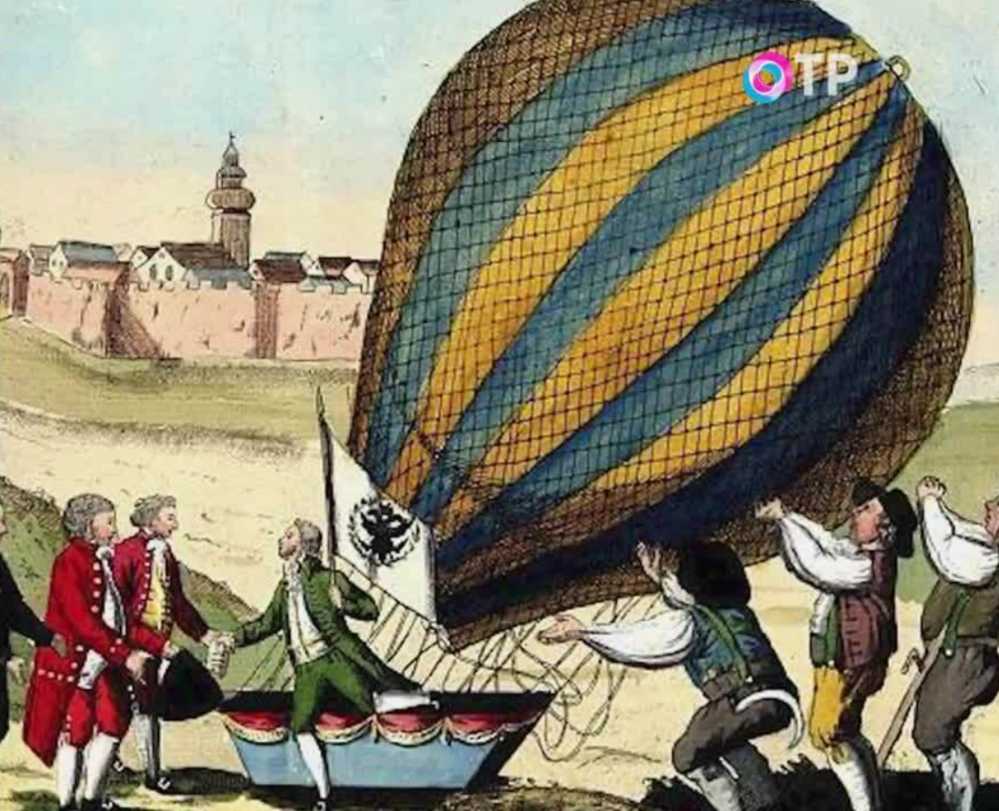
The Montgolfier brothers launched the first hot air balloon in human history on the square of the Palace of Versailles in France, taking the first step towards the sky for thousands of years. For more than a hundred years before the Wright brothers flew their planes into the sky, balloons carried the dream of human beings to fly high and explore the world. Today, although various types of airplanes and rockets have infinitely expanded the boundaries of human exploration of the universe, balloons, as a low-priced and simple-to-make (compared with airplanes and rockets) floating aircraft, are still popular. People take balloons to challenge various world records and feel the gentleness and wildness of the air flow sliding across their skin. This is a magical experience that other aircraft cannot give. With the advancement of technology, people have also tried to give balloons more uses, such as atmospheric observation, communication relay, ultra-high altitude sightseeing, and even using them to launch rockets. For more than two hundred years, like other aircraft, balloons have been carrying the dream of human flight and have never changed.
The first entry into the stratosphere
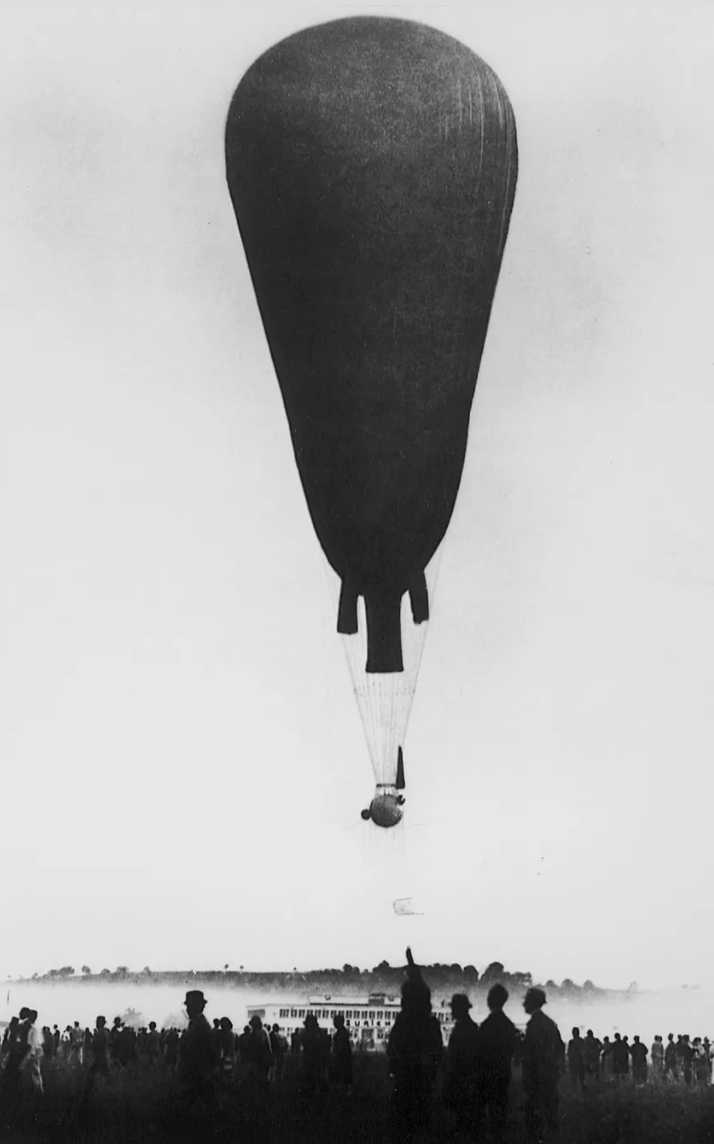
In 1932, although the airplane had been invented for nearly 30 years, In 1989, aviation heroes from all over the world continued to challenge higher and faster records, but when it comes to "reaching heights", balloons still came before airplanes. On August 18 of that year, Swiss scientist Auguste Piccard flew to the stratosphere for the first time on FNRS-1 with a pressurized cabin, and set a flight altitude record of 16 kilometers. In order to withstand the severe cold of minus 50 degrees Celsius, FNRS-1 adopts an aluminum spherical sealing design, and the temperature in the cabin is about 18 degrees Celsius. In the following years, the "reaching height" record of hot air balloons was constantly broken. It is worth mentioning that the subsequent FNRS-2/3 spherical cabin was used to manufacture submarines, challenging the world record for human deep-sea diving.
The first flight across the Atlantic
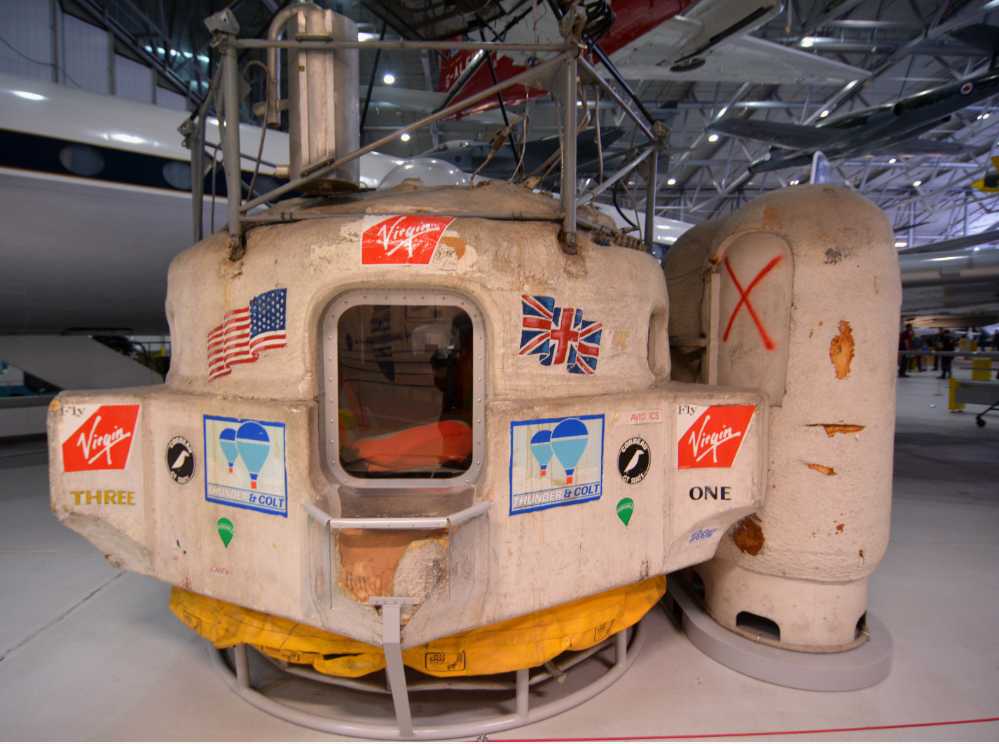
When humans have already landed on the moon, built a space shuttle, and explored the depths of the universe, some people still hold on to the dream of hot air balloons. In 1988, Swedish aviation engineer and adventurer Destrand and British billionaire and adventurer Richard Branson took the "Virgin Atlantic Flyer" hot air balloon and flew about 4,600 meters in 33 hours, successfully flying across the Atlantic. In the same year, Destrand also set a record of 19,800 meters for hot air balloons, which was not broken until the "Atlantic Flyer" in 2005.
The first round-the-world flight
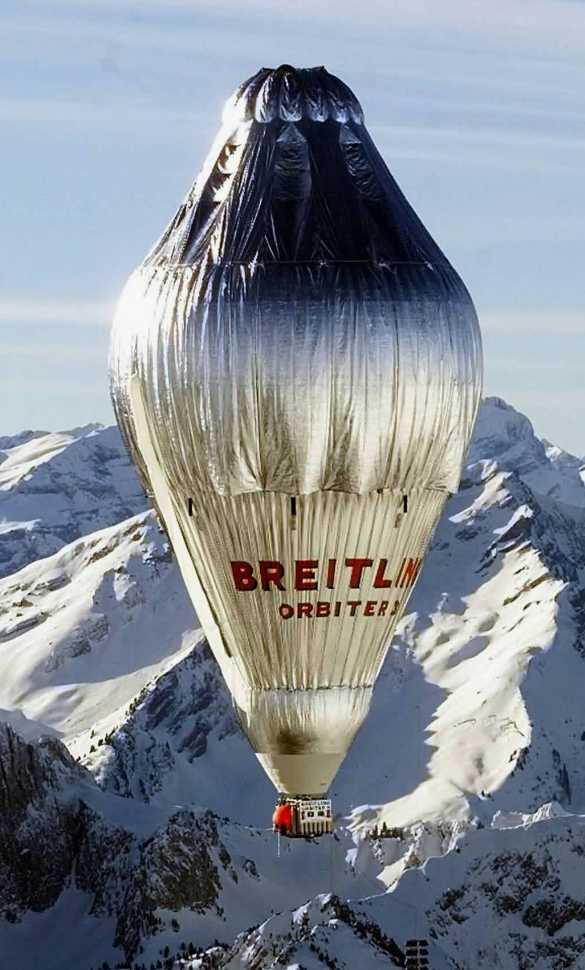
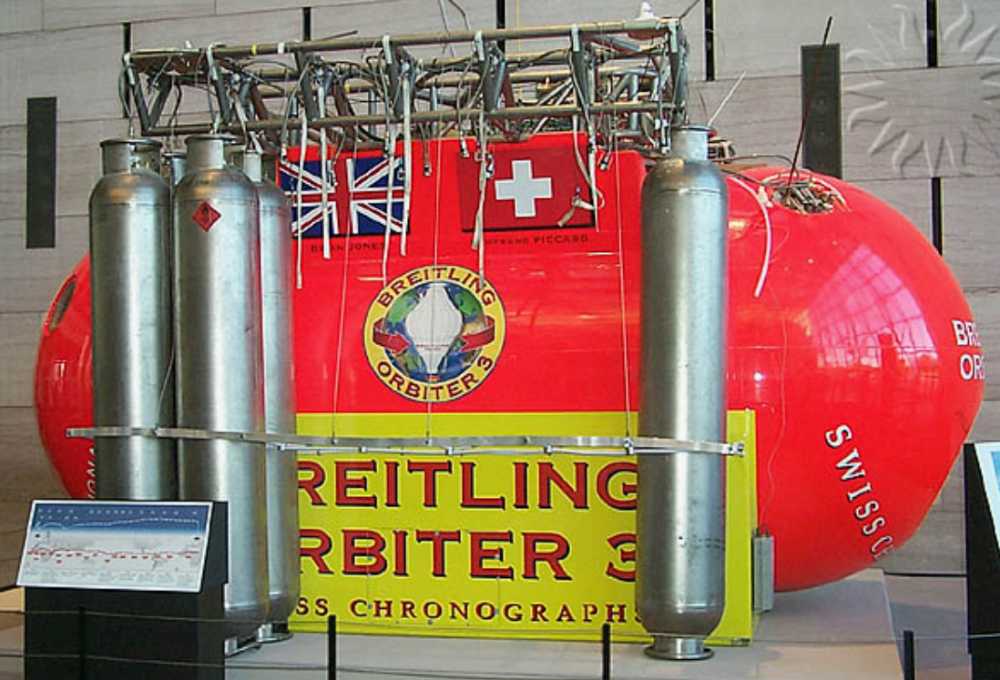
On March 20, 1999, Swiss Piccard and British Jones completed the first non-stop round-the-world flight in a hot air balloon named Breitling Orbiter 3. When fully inflated, the balloon reached a height of 55 meters and carried 28 propane cylinders made of titanium alloy. The gondola was sealed and the solar panels hanging below could charge the lead-acid batteries. Before the Virgin Atlantic Global Flyer flight in 2006, Breitling Orbiter 3 held the record for the longest distance of all aircraft in aviation history without refueling - 40,813 kilometers.
Jumping from a super high altitude
Skydiving is a special extreme sport, and the courage required to skydive from a height of 30,000 meters is possessed by only three people in the world. The cruising altitude of civil airliners is no more than 15,000 meters, and even the well-known SR-71 "Blackbird" high-altitude and high-speed reconnaissance aircraft has a ceiling of only 30,000 meters. But those three "daring" adventurers were willing to jump from such a height to challenge the limits of human beings. Of course, the aircraft they took to reach an altitude of 30,000 meters was not an airplane, but a balloon.
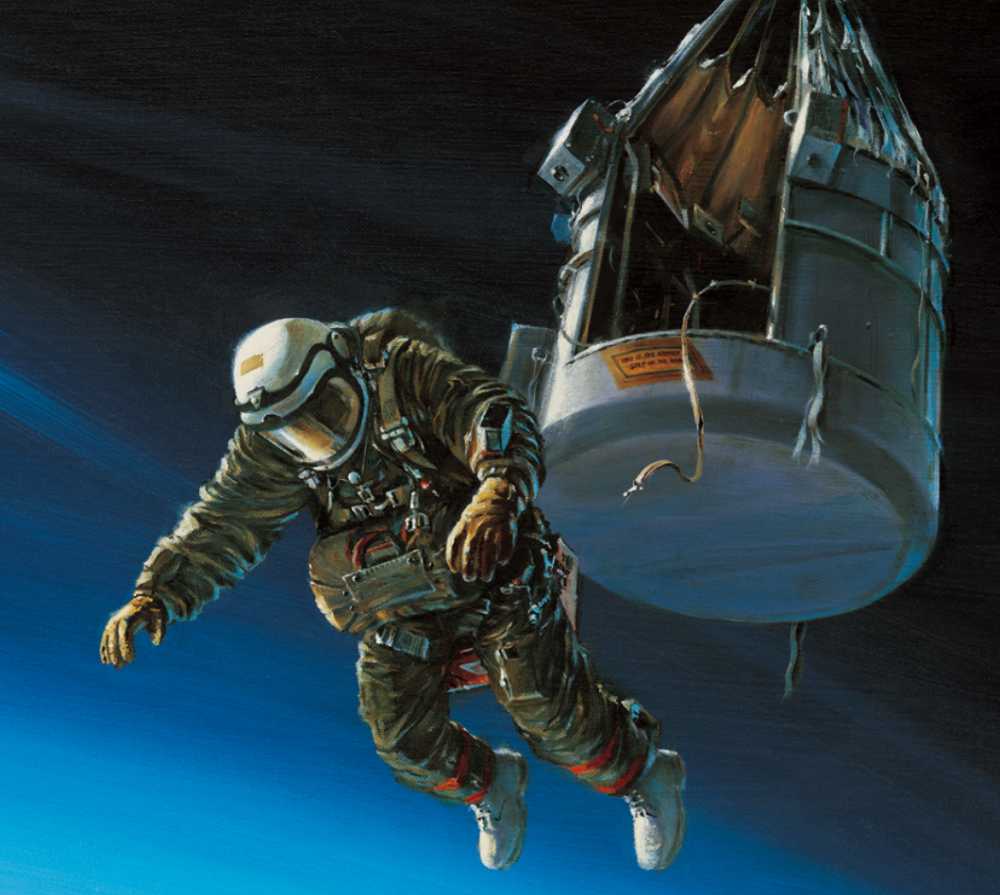
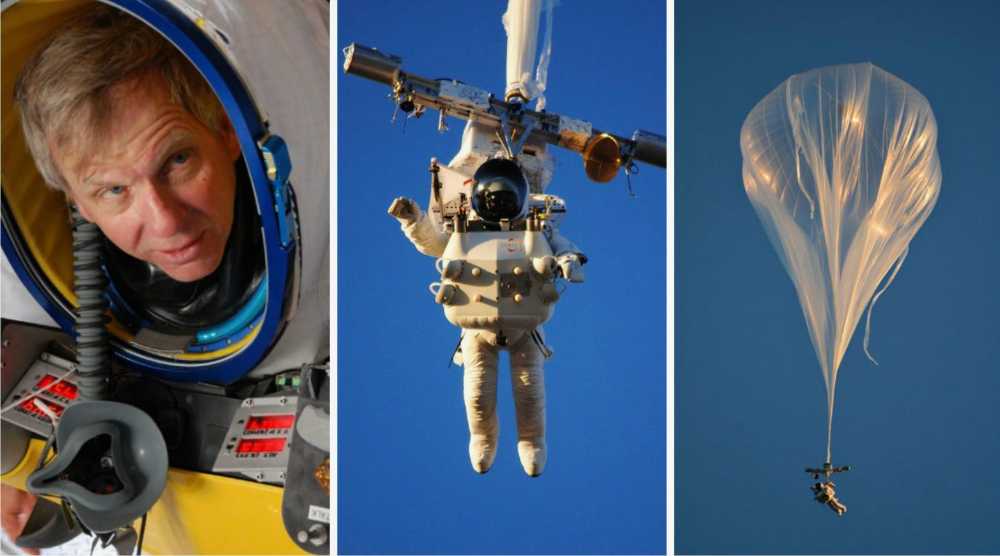
The first person to challenge the ultra-high altitude skydiving record was American pilot Joseph Kittinger. In 1960, the United States launched an ultra-high altitude emergency escape research project called "Excelsior". On August 16, 1960, Joseph Kittinger took a helium balloon with a height of 61 meters and a volume of 85,000 cubic meters to the stratosphere. After two previous test jumps of about 22,000 meters, this time he directly rose to 31,000 meters and then jumped down. During the 13 minutes and 45 seconds of descent, he experienced a low temperature of minus 70 degrees Celsius, and the maximum descent speed reached 988 kilometers per hour, and finally landed safely.
Although Joseph Kittinger’s shocking jump was unprecedented, the maximum descent speed of 988 kilometers per hour left a reason for future generations to break it-it did not reach the speed of sound.
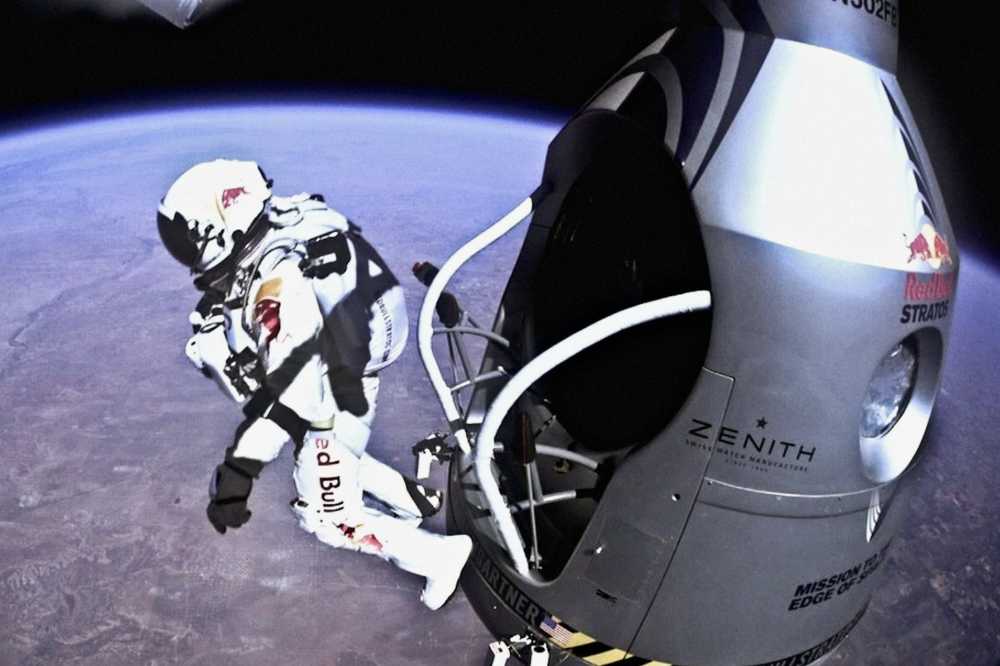
On October 14, 2012, Red Bull sponsored Austrian skydiver Felix Baumgartner to complete the "Edge of Space Mission", breaking the highest balloon flight record and personal supersonic flight record at the time. On this day, Baumgartner wore a pressure suit like an astronaut and rode a helium balloon to enter the stratosphere from New Mexico, USA. When the balloon flew to 37,640 meters, Baumgartner opened the cabin door, grabbed the railing with both hands, and stood at the door of the cabin. He calmed down, released his hands, leaned forward, and leaned down. After 40 seconds of free fall, his speed reached 1357.64 kilometers per hour, achieving the first human unpowered supersonic flight. At an altitude of 1,500 meters above the ground, Baumgartner successfully opened the parachute and finally landed safely.
Release a balloon to build a base station
In addition to setting records by sailing high, the more extensive use scenarios of balloons are scientific research, experiments and commercial applications. Most users are university laboratories, research institutes, meteorological stations and other units.
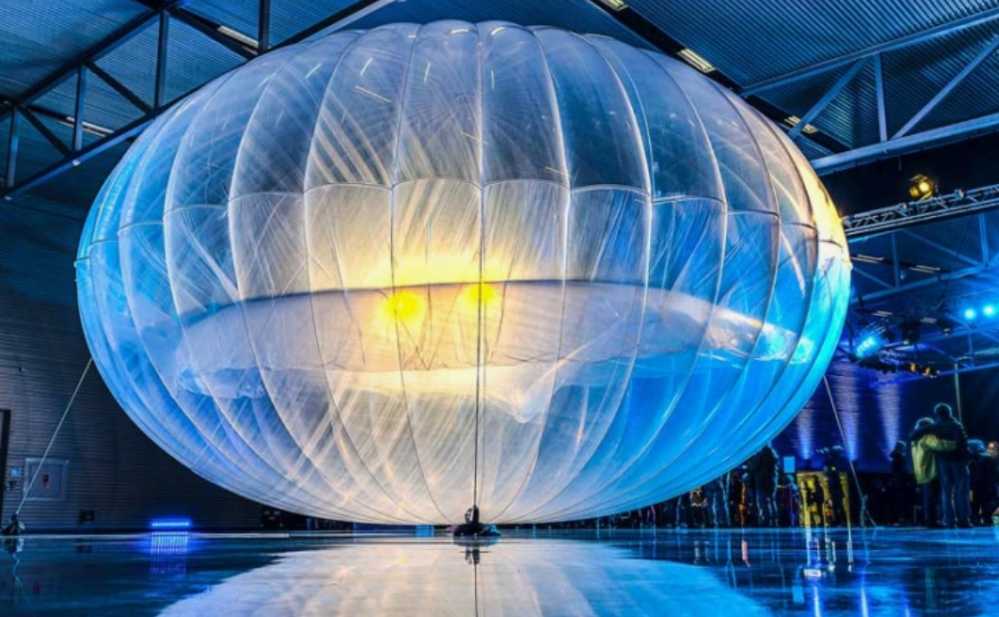
But there are "unbelieving" sponsors who want to do business with balloons. Google Inc. of the United States once launched a project called Loon LCC, which aims to use balloons to set up mobile phone signal base stations 18-25 kilometers above the ground to facilitate Internet access for users in remote areas. However, from the start of testing in 2014 to the official launch of Loon’s 4G network balloon service in Kenya, Africa in 2020, more than 10 balloon crashes occurred in 6 years. As the cost of the Loon project has remained high and the users are not high-quality customers of the mobile Internet, the Loon service was officially offline in March 2021. This means that people’s attempts to use balloons to provide mobile Internet services have temporarily failed. Today, the most mature space-based mobile network service and the one put into commercial use is Starlink in the United States. In addition, long-flight drones can also carry base station equipment to provide emergency network access services for specific areas.
Sightseeing tourism returns to the "right way"
Balloons, or hot air balloons, have had strong tourism attributes since their birth. In 2022, World View Company announced a capsule-shaped space sightseeing capsule, which plans to fly to an altitude of 30,000 meters with the help of a huge helium balloon. At this altitude that only the "Blackbird" reconnaissance aircraft can reach, passengers can see the curve of the earth, the blue lines at the edge of the atmosphere, and the darkness of outer space. The sightseeing capsule adopts a pressurized design and can accommodate 8 passengers and 2 crew members. Of course, the price is not cheap, 50,000 US dollars, which is about 330,000 yuan.
Use balloons to shoot rockets
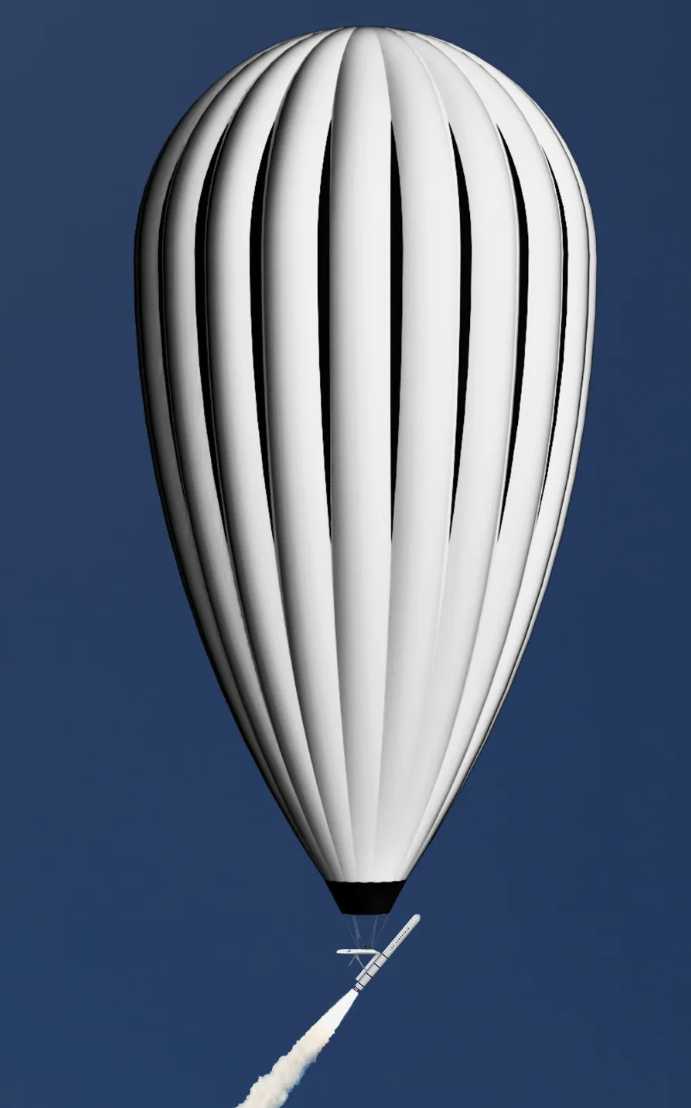
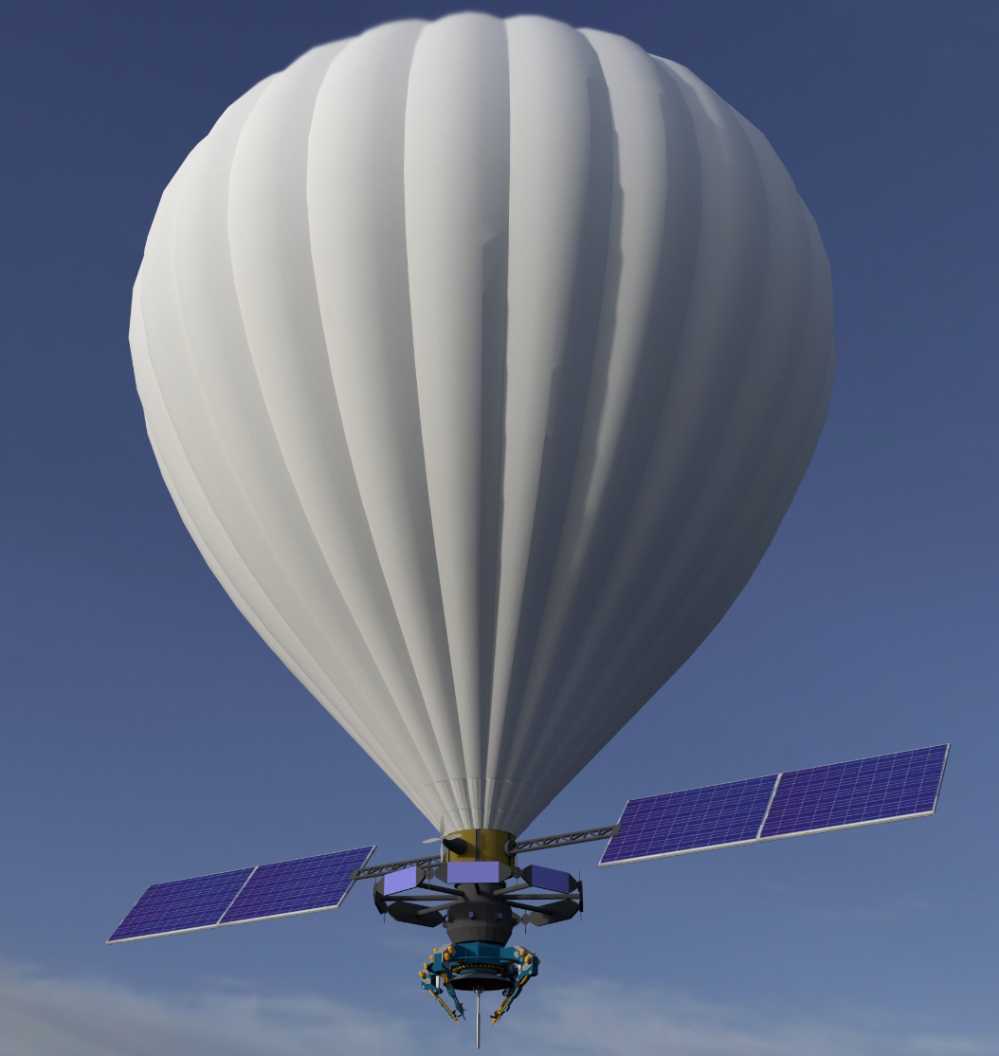
I have only seen people jumping from balloons, but I have never heard of using balloons to enter space. But a group of people are trying to do this. Leo Aerospace, a startup company of West Lafayette-Purdue University in the United States, tried to send a rocket to an altitude of 40,000 meters through a balloon, and then ignite the rocket to send the payload into low-Earth orbit. On March 1, 2017, the company conducted its first test, firing a test arrow at an altitude of 25,000 meters to verify the telemetry, control, stabilization and other systems, and recovered the relevant equipment at sea. Leo Aerospace hopes to use a combination of balloons and rockets to launch a 75 kg payload to a 600 km sun-synchronous orbit at a price of about 4.5 million US dollars.
The ideal is full, but the reality is not so beautiful. Not to mention that to this day, the company has not carried out a successful launch of even a suborbital launch. Even if it succeeds, it is extremely expensive to launch a 75 kg payload at 4.5 million US dollars. At present, the price of launching a 200 kg payload to a 500 km sun-synchronous orbit with a small solid carrier rocket in my country is about 20 million yuan, and the unit weight freight rate is only one-fifth of Leo Aerospace. Perhaps because of this, Leo Aerospace has launched the same stratospheric space sightseeing capsule project as World View Company. Perhaps sightseeing tourism is the most valuable direction for balloons to realize the human dream of flying.