
Manned spaceflight is a high-risk, high-investment space activity. Currently, only the United States, Russia and China have the ability to conduct manned spaceflight, but there are many countries that hope to join the manned spaceflight camp. In recent years, Europe, India and some Middle Eastern countries have successively released their own manned spaceflight plans. This trend will bring the global manned spaceflight industry to a new development climax. This special topic will review the manned spaceflight plans of these countries and organizations for everyone.
In 2023, the European Space Agency implicitly announced its new idea, intending to become the development and operation party of manned spacecraft and a new generation of cargo spacecraft, and get rid of its dependence on the United States and Russia. Such an idea is understandable. After all, without its own spacecraft, it is difficult to be called a strong player in the international space community. In fact, several models launched by Europe are still at the level of returnable cargo spacecraft. It is planned to upgrade and develop manned spacecraft after this type of spacecraft matures.
Ariane’s "Intelligent Upper Stage for Innovative Exploration"
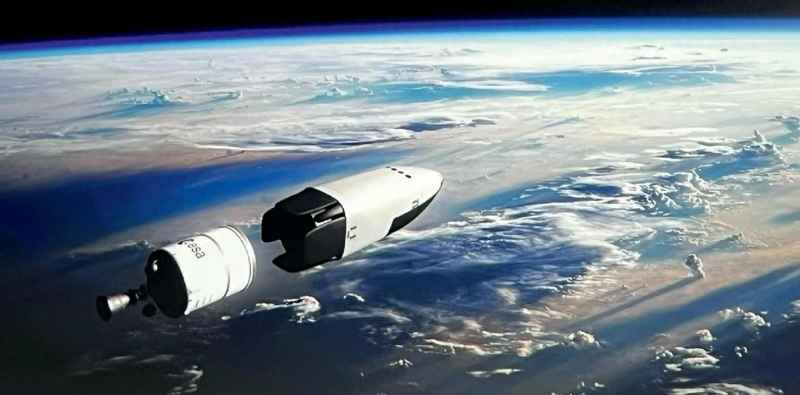
The Intelligent Upper Stage for Innovative Exploration (SUSIE) is a reusable spacecraft designed by Ariane to serve as an autonomous cargo or manned spacecraft. It is 12 meters high and 5 meters in diameter. When used as a cargo spacecraft, it can carry 7 tons of cargo. When carrying out manned missions, it can send up to 5 astronauts to low-Earth orbit. The launch mission will be carried out by ESA’s Ariane 6-4 rocket.
More like a space shuttle
Ariane announced this plan as early as the International Astronautical Congress held in Paris in 2022. It was proposed under the research funding of ESA’s "New European Space Transport Solutions" (NESTS) program in response to Europe’s strategic development focus on "autonomous cargo capabilities". As a reusable aircraft, SUSIE no longer requires a rocket fairing, and its total takeoff mass can reach 25 tons, adapting to the low-Earth orbit carrying capacity of the Ariane 6-4 rocket.
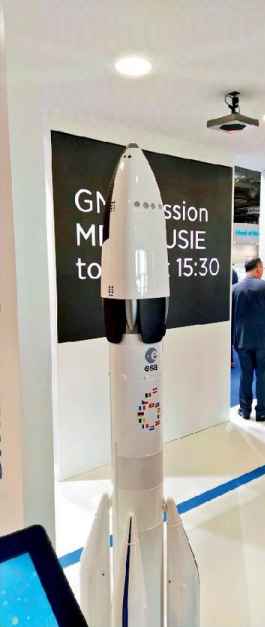
In terms of overall design, SUSIE is closer to the concept of a space shuttle than a spacecraft. Its rear is an openable cabin equipped with a robotic arm. When returning to the atmosphere, it also uses pneumatic and propulsion control to land instead of a parachute. SUSIE can also adapt to Ariane Group’s proposed reusable heavy rocket.
On October 25, 2023, Ariane Group launched the first scaled model of SUSIE at its factory near Paris, which was 2 meters high and weighed 100 kilograms. It is said that Ariane Group will develop a larger model later and advance the development step by step.
According to Ariane Group, SUSIE will serve Europe’s space activities in the next few decades, will make important contributions to European space transportation and on-orbit services, and will profoundly change the way Europeans enter space. An important feature of SUSIE is that it is fully reusable, providing end-to-end safe transportation for astronauts.
SUSIE can be used to tow, inspect and upgrade satellites, provide fuel, food and equipment to the space station, implement crew changes, and assist in extravehicular activities. SUSIE has a large internal space of 40 cubic meters, so it can be used to implement the on-orbit construction of large infrastructure, such as transporting equipment and products of microgravity factories. In particular, it can carry 7 tons of payload back to Earth, which is very valuable for space pharmaceuticals, space biology and space material production. It can also be used to clean up orbital debris and tow away satellites at the end of their life.
In order to maximize the reuse potential and thus reduce operating costs. SUSIE adopts a fully integrated concept, and the same subsystem can cover the entire flight process. For example, a set of escape and life-saving subsystems can cover the entire mission from launch to landing, and the same is true for the environmental and life support system. Not only that, SUSIE, like the Orion spacecraft, can also perform lunar orbit missions. However, in this mission scenario, it needs the support of another space transfer module to provide propulsion, energy and other life support resources.
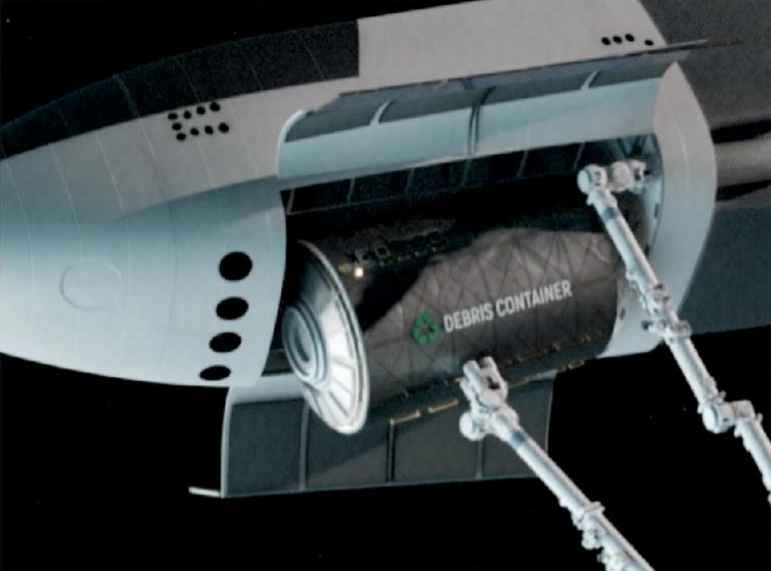
@SUSIE schematic diagram of discarding space debris
Competing with Italy?
Before this, Europe had already proposed a reusable spacecraft concept, the "Space Knight" developed by Thales Alenia. Some people believe that the "Space Knight" is a model dominated by Italy, so France has to propose SUSIE to compete with it. This statement seems to make sense. Because the technical basis of the "Space Knight" is the IXV return vehicle dominated by the Italian Space Agency, and the Vega rocket used to launch the "Space Knight" is also dominated by Italy. Some people pointed out that Europe is not the United States and cannot afford the cost of developing two manned space systems in parallel, so at most only one of the two models can survive. According to the past record of the European Space Agency, France can win most of the time in this competition because France has the highest proportion of funding for the European Space Agency. But even if the French win, it doesn’t mean that SUSIE has a bright future. The combination of it and the Ariane 6 rocket is much more expensive than the combination of the Falcon 9 rocket and the manned Dragon spacecraft.
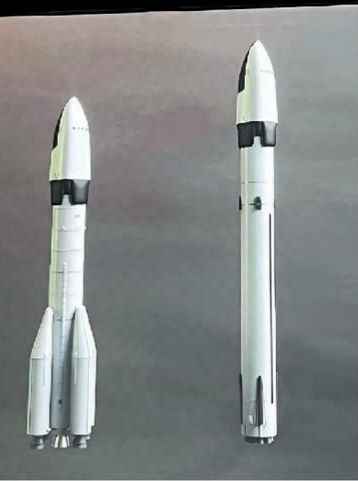
The "Phoenix" of the Augsburg Rocket Factory
Germany’s Augsburg Rocket Factory is a new company. Although it has just started to develop rocket engines, the company is determined to become a comprehensive aerospace manufacturing + service company. According to the company’s introduction, they pay great attention to the research needs of life sciences, especially the research of monoclonal antibodies, stem cells, organoids and protein crystals. There is great value in conducting experiments in such disciplines in space. Today, with the advancement of rocket technology, the opportunities to enter space are becoming more and more numerous and cheaper, but the problem of return has not been solved. The high cost of reentry services, long waiting time, and insufficient repeatability and reliability have brought challenges to the industry.
So, the Augsburg Rocket Factory and other companies have come up with a solution to develop a returnable aircraft specifically tailored to serve life sciences.
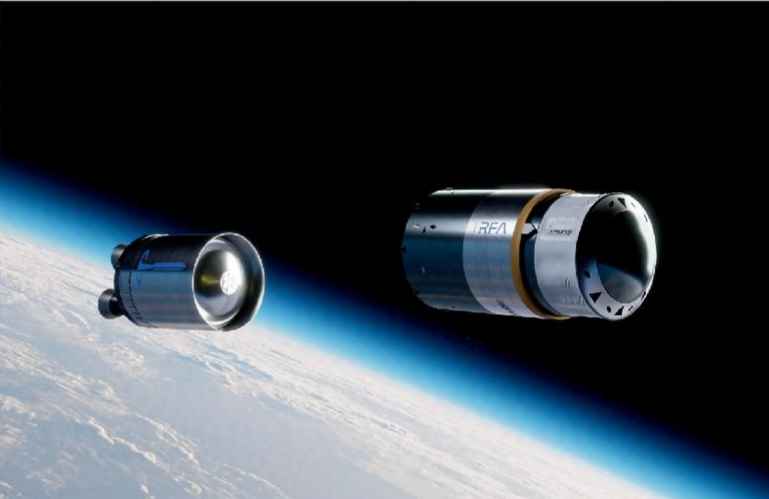
"Phoenix" return capsule
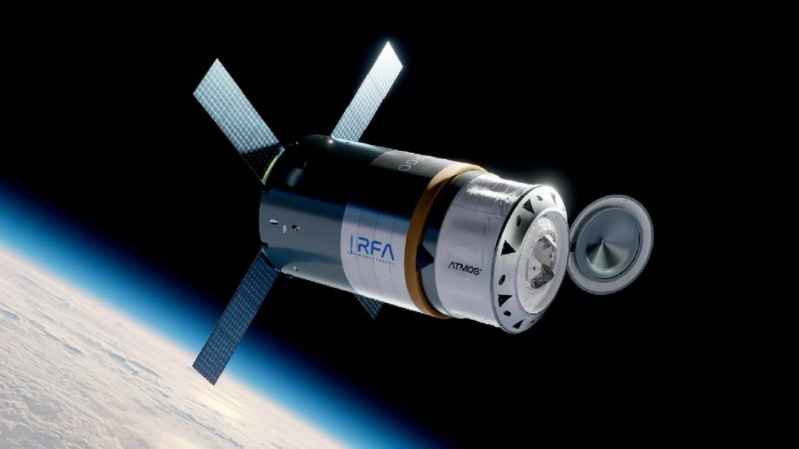
The company that developed the returnable aircraft is ATOMS. The return solution it proposed is very creative. This return capsule, called "Phoenix", has a payload of only 100 kilograms, but its in-orbit flight time can reach 3 months, or even longer. The cabin temperature setting value can be between 20°C and 37°C. The company also provides a more intimate service. Customers can airlift their experimental equipment to a nearby airport, and then the company will be responsible for transporting it to the launch site. The subsequent work, including payload integration and payload recovery after returning from space, is the responsibility of the company, and then it will be transported back to the airport designated by the customer.
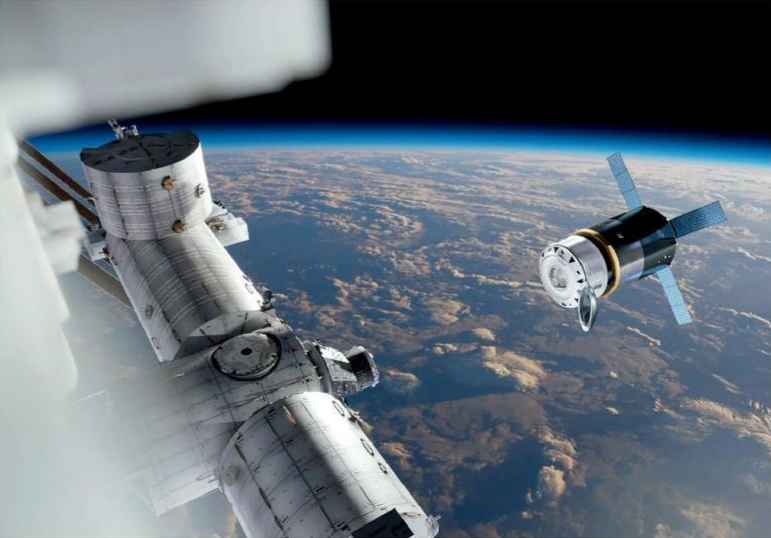
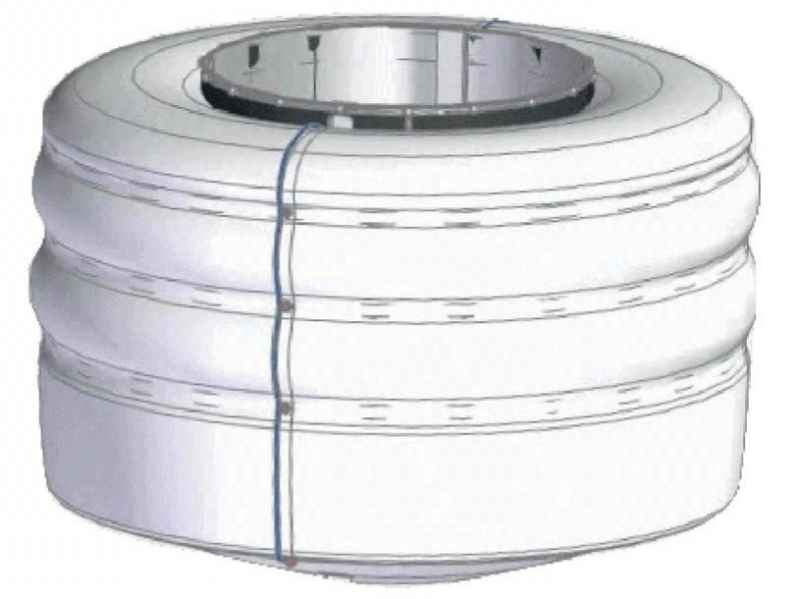
The Phoenix return capsule does not use a parachute similar to the Soyuz or Shenzhou spacecraft, but uses an inflatable decelerator similar to the US Mars landing program. According to the company, this solution, called the Inflatable Atmospheric Decelerator (IAD), can be used as both a heat shield and a high-speed parachute to protect precious cargo. ATMOS also emphasized that boosted return landing seems to be the mainstream nowadays, but doing so requires atmospheric emissions. IAD is a "zero fuel" technology that is not only more environmentally friendly, but also lighter. ATMOS even envisions that IAD technology can be used to recover and reuse complete micro rockets.
As for the material used by IAD, it is called reusable radiation-cooled ceramic matrix composite (CMC), which can reduce the spacecraft from the first cosmic speed directly to zero.
Thrown from a helicopter
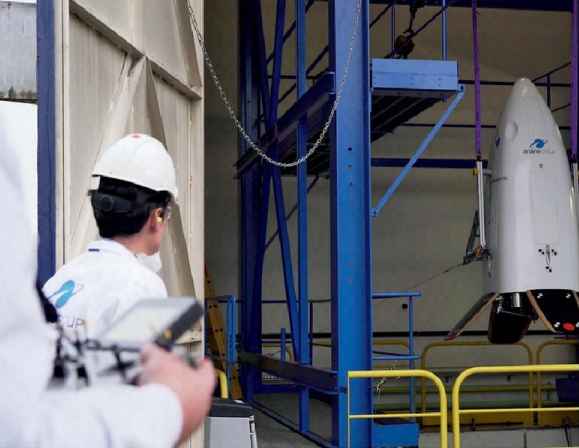
To prove its concept, ATMOS conducted its first landing test of the IAD prototype on December 6, 2021. An R44 helicopter took off from near Karlsruhe/Baden-Baden, Germany, carrying a one-tenth scale model of the IAD, connected to a small rocket model. After flying to an altitude of 600 meters, it released the IAD model. After the AD is activated, it inflates and unfolds autonomously, and while inflating, it "swallows" the rocket model into a pear-like shape. Then it decelerates steadily and lands on the water. According to the company, such a design can also protect the recovered objects from water. As for the source of inflation, it is not the gas used for the inflatable parachute for Mars landing, but an electric duct fan, which is directly obtained from the atmosphere. It is said that this is to reduce weight.
However, during the reentry of the spacecraft, when it just encounters the dense atmosphere, violent friction will occur, extremely high temperatures will be generated, air plasma will be formed, and the outer shell of the spacecraft may be severely ablated. Therefore, the company specifically demonstrated and verified the high temperature resistance of the material. In order to solve this problem, disposable spacecraft such as the Shenzhou spacecraft and the Soyuz spacecraft use heat shields made of ablative materials. Reusable models such as the Space Shuttle, Dragon spacecraft and Orion spacecraft use ceramic insulation tiles to form protective shields. So, what materials can be used for soft inflatable structures to withstand such harsh environments? ATMOS has developed a foldable aluminosilicate ceramic fabric for this purpose, which is said to be able to withstand high temperatures of 1000 degrees Celsius and has sufficient mechanical strength to maintain an aerodynamic shape after inflation. On February 8, 2022, ATMOS conducted a plasma wind tunnel test on this material at the Institute of Space Systems in Stuttgart, exposing the insulation material to the same conditions experienced during the return from space, and testing the destructive force under tensile loads. The test also verified the feasibility of extracting air from the thermal boundary layer behind the shock wave to inflate the IAD. The material withstood the high temperature and proved its reusability.
Exploration’s “Nyx”
In European mythology, there is a goddess named Nyx, who is responsible for the night. Now a European company plans to use her name to develop a reusable returnable spacecraft. The name of this company is Exploration.
Founder from Airbus
Exploration’s founder Helen Hubie has worked at Airbus for a long time and was responsible for the development of the European Service Module. This European Service Module is not simple. It is a propulsion and power module for the American Orion spacecraft. However, Helen Hubie resigned in August 2021 to start her own business. She said: "I don’t want to spend my whole life on a non-reusable, non-refueled spacecraft."
Helen Hubie did not leave alone. She took two people with her: Art Cooper, head of the European Service Module Propulsion Subsystem, and Jon Rellnewald, deputy chief system engineer. They found several like-minded people and founded the Exploration Company together. The spacecraft model they developed is called "Nix".
According to Helen Hubie, in the next 10 to 15 years, the ecosystem of space activities will develop If we can come up with a new reusable spacecraft, we can become a market pioneer.
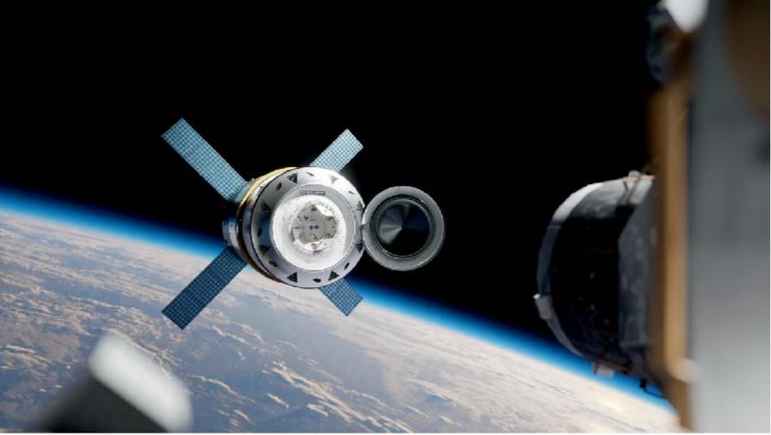
Looks like "Orion"
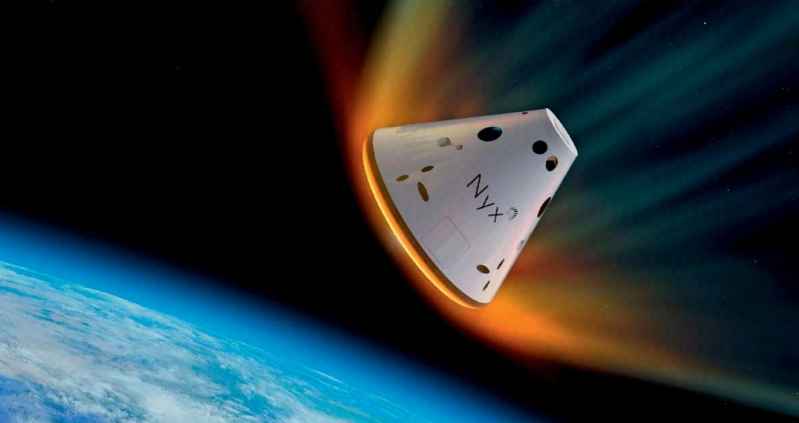
But this "new spacecraft" looks very similar to Orion. It consists of two parts: the service module and the return module. The takeoff weight reaches 8,000 kg, the near-Earth orbit transportation capacity reaches 4,000 kg, and it can perform a 6-month in-orbit mission. The return module can be reused, and the service module can also be reused in certain mission scenarios. When the "Nix" returns, it can carry 2,600 kilograms of cargo. The unit price for a round-trip flight is 20,000 euros per kilogram. This is still an acceptable price for institutions that need to conduct in-orbit scientific research. Helen Hubie said that she plans to eventually use propellants made in space to refuel the service module.
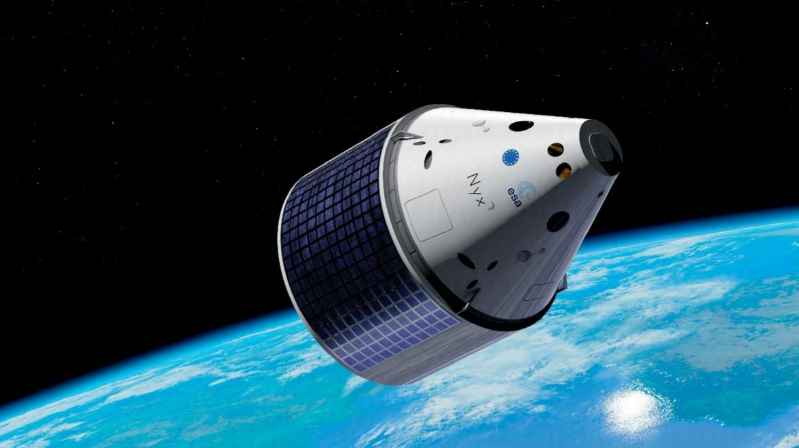
The first orbital flight of "Nix" is scheduled for 2026, which is somewhat radical. Moreover, Discovery has only raised 47.3 million euros, which is probably far from enough to develop spacecraft. However, Helen Hubie said that the management of her company used to be the backbone of large companies, so it is easier to raise funds or solicit customers. Discovery has built a prototype called "Bikini", weighing about 40 kilograms and 60 centimeters in diameter. "Bikini" was originally intended to be carried on the Ariane 6 rocket for its first flight. However, due to the "delayed delivery" of the Ariane 6 rocket, this plan can only be postponed to 2024.
Discovery proposed that the Nix spacecraft will not be tied to a certain rocket, and can be launched by Ariane 6 rocket, Falcon 9 rocket or other rockets. And this is not a very far-fetched idea. In 2024, Discovery will also build a prototype ship for the Nix spacecraft, which will be launched by Falcon 9 rocket. The prototype weighs 1,600 kilograms and has a diameter of 2.5 meters. It is said that 80% of the payload has been booked.
Cooperation with Axiom Space
As for where the market is, Discovery has its eyes on two space stations. The first is the Gateway, which NASA is building for the Artemis program. Helen Huby pointed out that the Nix spacecraft can fly back and forth between the Gateway and the lunar surface, where fuel is extracted and manufactured. The second is the commercialization of the International Space Station, which Axiom Space is promoting under a NASA contract. Discovery and Axiom are already discussing specific ways to cooperate. Not only that, Helen Huby predicts that three more private space stations will be launched in the next five years. In this way, by 2030, there may be about 5 to 7 space stations in Earth orbit, which sounds like a big market.
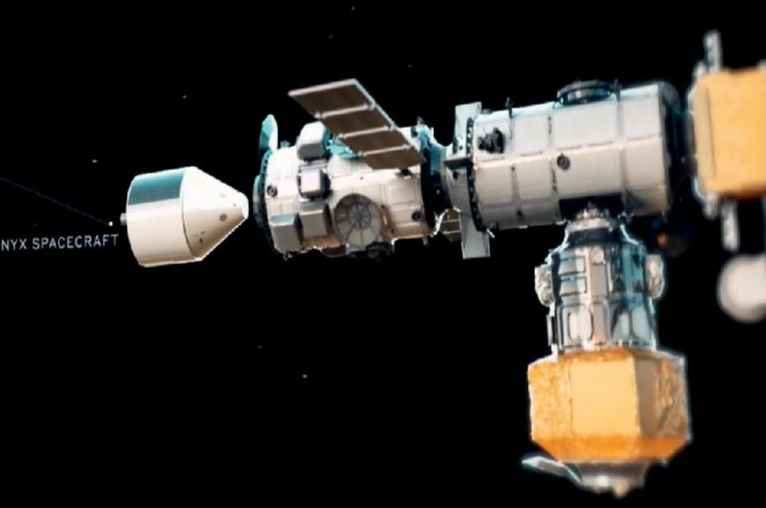
Such a large spacecraft also has the potential to be transformed into a manned spacecraft. Discovery mentioned this possibility, but did not publish a roadmap or a timetable.