The article is reprinted from the report "Empty Boxes in a Wartime Environment: Challenges to the U.S. Defense Industrial Base" published by the Center for Strategic and International Studies (CSIS), a U.S. think tank. The author, Seth Jones, is CSIS’s senior vice president and director of the International Security Program. The report reflects the views of senior U.S. military officers, government officials, and the defense field, Congress, and the military industry. The report believes that the Ukrainian war has exposed widespread problems in the U.S. defense industry, which may weaken the U.S.’s ability to wage a protracted war against China, including insufficient ammunition inventory in the Taiwan Strait conflict simulation, leading to the so-called "empty box" problem.
Foreword
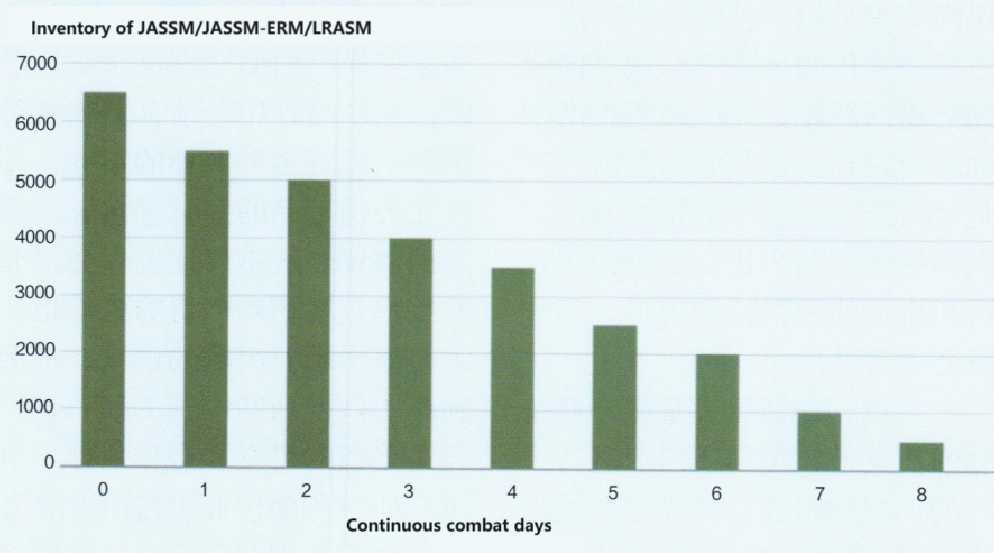
The U.S. defense industrial base has not yet been fully prepared for the current competitive security environment. CSIS recently conducted multiple war games on the Taiwan Strait conflict and found that in the conflict, it would take less than a week for the United States to use up all its precision-guided weapons beyond the zone, leading to the "empty box" problem, i.e., the ammunition crisis. This will not only significantly reduce its combat effectiveness, but also seriously reduce the U.S. military deterrence.
CSIS emphasized that the current production capacity of advanced ammunition in the United States cannot meet the needs of large-scale wars. This problem will be more worrying in the future because China’s current production speed of high-precision weapons and advanced ammunition is 5 to 6 times that of the United States. Secondly, the US Foreign Military Sales (FMS) and the International Trade in Arms Regulations (ITAR) are outdated. The arms sales competition between China, Russia and the United States is intensifying. The technological advantages of US weapons will be gradually offset as the performance of Chinese and Russian exported weapons improves. The outbreak of the Russian-Ukrainian conflict also exposed the serious defects of the US defense industry system. For the United States, providing military assistance to Ukraine is undoubtedly a powerful warning to China and Russia, but this will consume a large amount of US ammunition stocks. Under the premise that the United States has a serious shortage of production capacity and its allies such as Europe are highly dependent on its ammunition stocks, the United States must make changes to ensure that it will not fall into an ammunition crisis in the future.
According to the history of past industrial mobilization, the US defense industry needs a considerable amount of preparation time to ensure the supply of weapons and ammunition, and the current mobilization may take longer. As the Russian-Ukrainian conflict shows, a war between great powers is likely to be a protracted industrial conflict, requiring a strong defense industrial system that can produce enough ammunition and other weapon systems to carry out a protracted war after deterrence fails.
The biggest difference between the Russian-Ukrainian conflict and other wars is that the United States did not directly participate in the war, but supported Ukraine from behind. But at the same time as the outbreak of this war, the relationship between China and the United States in the Indo-Pacific region has become increasingly tense, which means that the possibility of another war is gradually increasing. So, in order to fully respond to the second war, what does the United States need to do next?
The awakening of the US defense industrial system
The assistance provided by the United States and its allies to Ukraine is very important for the Ukrainian army to resist the Russian army and its subsequent counterattack. And the United States also warned China in this way that if a war is triggered in the Indo-Pacific waters, China will pay a huge price.
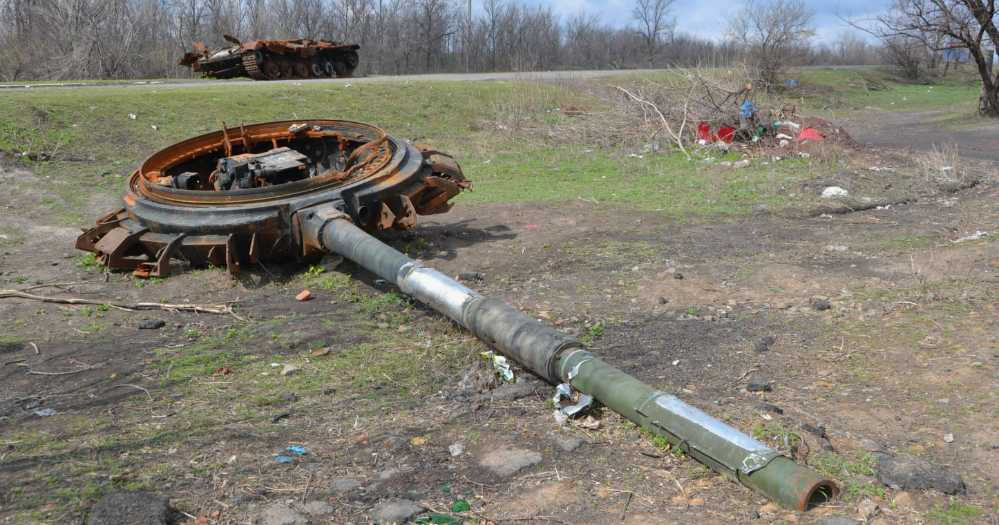
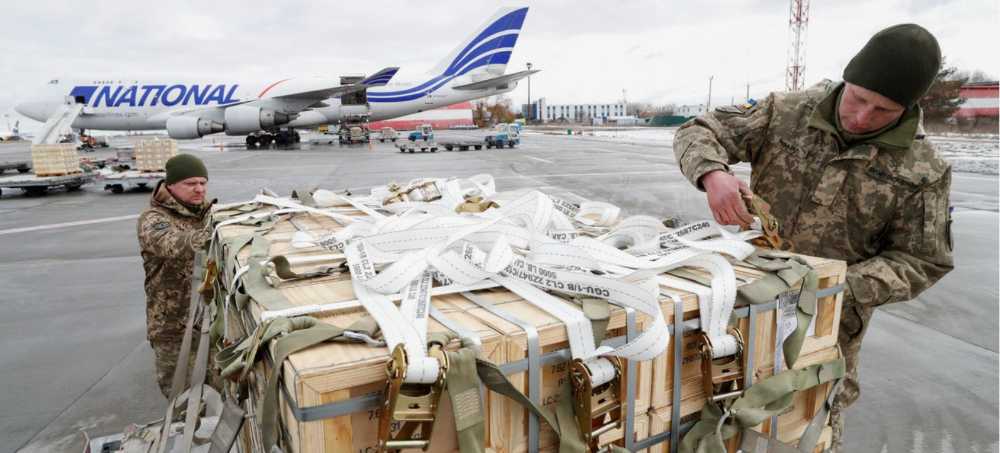
But the problem is that the current US armament production capacity is not enough. Ukraine alone has caused all US military factories to start working overtime, and even cannot meet the Ukrainian army’s demand for arms. At the current production speed and support for the Ukrainian army, the U.S. arsenal will soon be emptied.
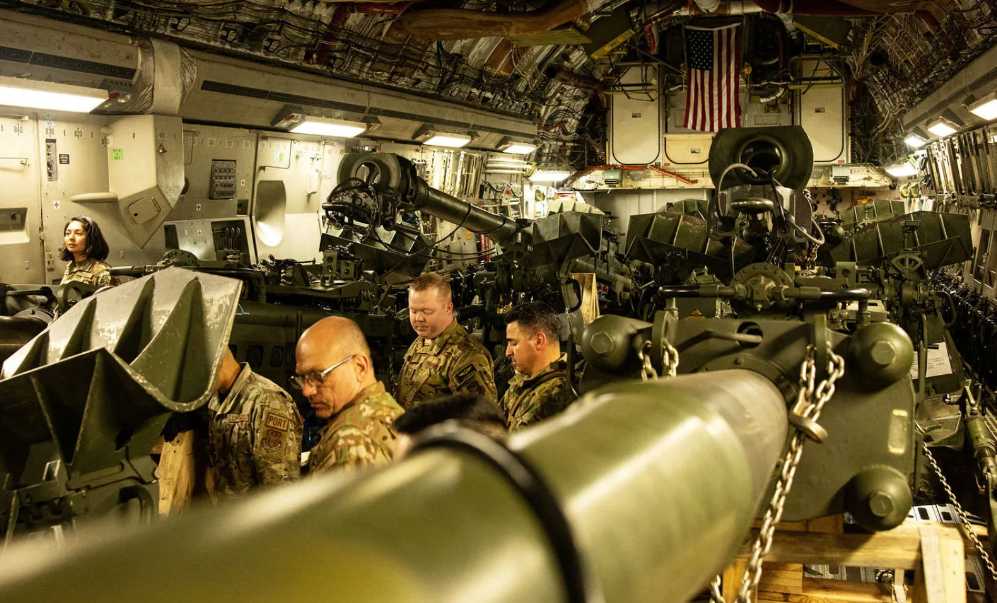
For example, the number of "Javelin" missiles delivered to the Ukrainian army in August 2022 is the production of the United States in the first seven years before the production target for fiscal year 2022 is re-planned, and the number of "Stinger" missiles is equivalent to the total amount produced by the United States for all military trade customers in the past 20 years. As of January 2023, the U.S. military has provided Ukraine with up to 1.074 million 155mm howitzer ammunition, which almost emptied the U.S. 155mm howitzer ammunition inventory, so that the U.S. military had to ship 105mm howitzers and their ammunition to Ukraine to slow down their ammunition consumption.
Due to the United States’ continued military assistance to Ukraine, the U.S. defense industry, especially the arms industry, has shown signs of "reawakening." William Laplante, the U.S. Deputy Secretary of Defense for procurement and maintenance, claimed that the U.S. defense industry is facing major challenges and outlined countermeasures to solve the problem. At the same time, U.S. Army Secretary Kristen Wormuth and Army weapons procurement chief Doug Bush promised to triple the production of 155mm howitzer shells in the next few years. The U.S. Army also awarded defense industry companies a contract worth $431 million to ensure the full-speed production of the "HIMARS" rocket launcher, thereby ensuring the supply of arms for the U.S. Army and several allies.
Reasons for insufficient ammunition supply
Although the United States has begun to change relevant laws and regulations and sign new ammunition supply contracts, the problem still exists. As the US Department of Defense’s research concluded, the heavy work process and various additional rules are one of the biggest difficulties it faces. These rules and processes require the US Department of Defense to conduct strict audits to ensure that weapons and equipment do not have various additional costs, which is more important than allowing contractors to obtain high profits. This policy has placed procurement efficiency and cost control over the speed and performance of weapon production, which means that contractors need more time to find a more suitable balance.
Arms procurement plans usually start with equipment requirements, and process reviews will be conducted before bidding. However, since the outbreak of the Russian-Ukrainian conflict, the US Department of Defense no longer clearly conveys bidding requirements, but constantly changes various demand indicators, which is very troublesome for contractors, resulting in the inability to continue production in a good state. For example, several customers, including the US Army, have begun to re-evaluate the M777 The manufacturer BAE Systems is interested in howitzers, and is also considering whether it needs to be re-produced. However, before getting an order, the only thing it can do is wait.
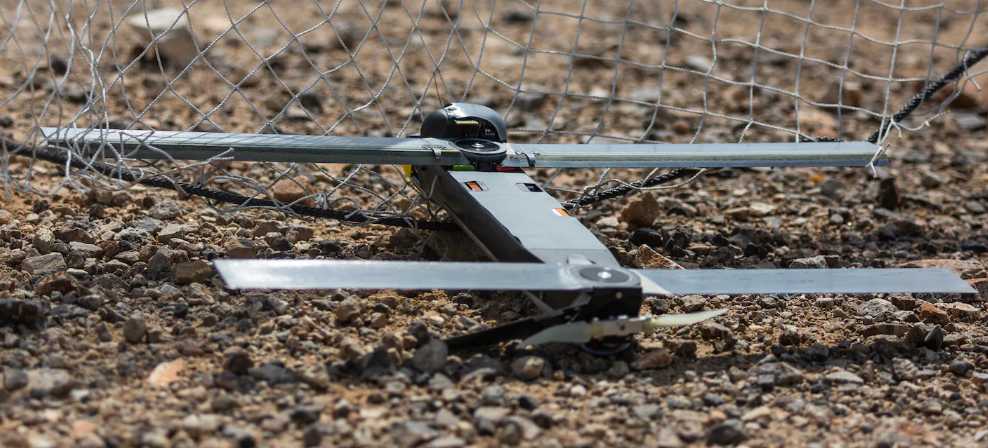
In addition, the "Switchblade" series of drones have good performance, but they are only experimental weapons and have not been mass-produced, which makes the troops who want to equip them very troubled. Because for now, the main customer of the "Switchblade" is the US military. Before the US military has made a clear statement that there is a large demand, this type of drone will not enter the mass production stage. "Switchblade: The manufacturer is a small company and cannot bear the risk of unsalable after mass production. If such a small enterprise that produces specific equipment and parts goes bankrupt, either these specific parts are forced to stop production, or they are handed over to other subcontractors for production. If the subcontractor has a demand for foreign spare parts, then for the United States, this type of weapon is not safe.
Therefore, the United States needs to establish a strong basic industrial system in its homeland and its major allies to ensure that it can produce all the spare parts of the required weapons in this system, especially during the Russia-Ukraine conflict and the Taiwan Strait conflict that the United States believes will occur. The situation will become more serious.
For the United States, the outbreak of the Russian-Ukrainian conflict is only a small part of a series of problems. If the Taiwan Strait conflict breaks out before the Russian-Ukrainian conflict ends, and if there are waves in the Middle East, North Korea and its surrounding areas, the United States needs to be prepared to fight two or even three large-scale wars at the same time.
Making adequate combat preparations may ensure that the United States has the ability to prevent the outbreak of war before the war, but as China’s military strength gradually increases, the United States’ military deterrence capability will also weaken. If China is well prepared, the Taiwan Strait conflict will still break out when it is supposed to. Industrial production needs to be prepared in advance. If the war breaks out without clear precursors, it will be too late to start mass production of weapons and ammunition after the war breaks out.
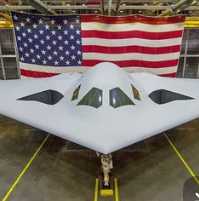
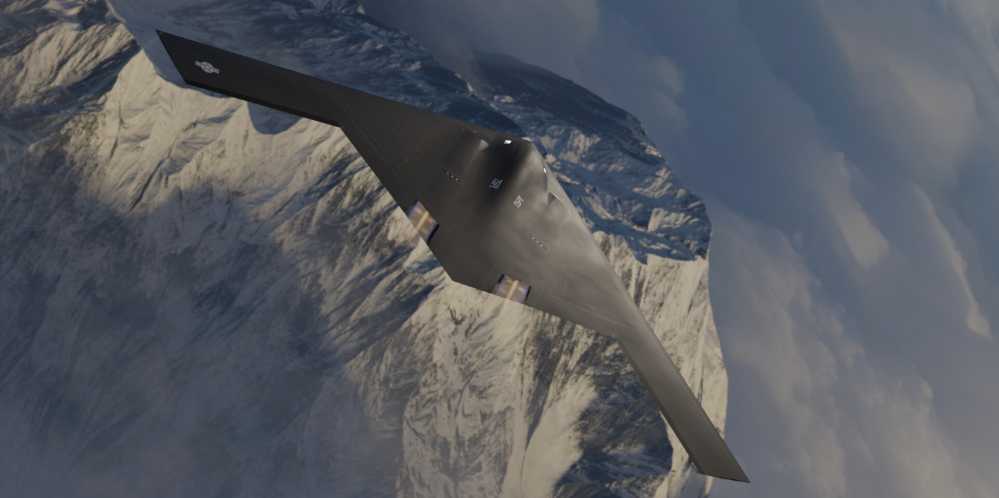
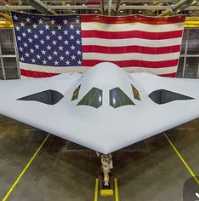
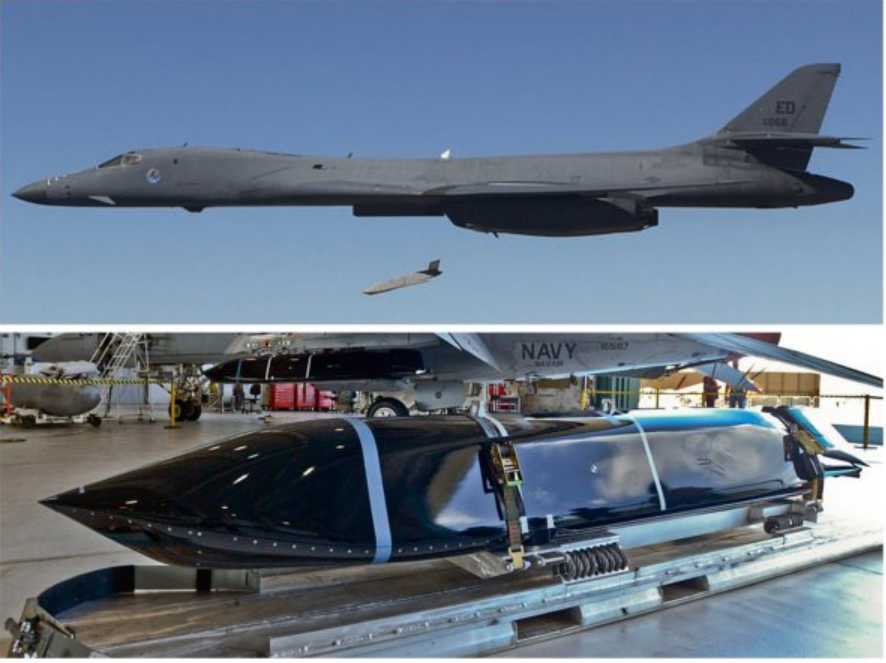
CSIS said after simulating the Taiwan Strait conflict that if the conflict breaks out, the United States will need to launch a large number of standoff strike weapons and will use up all its stocks within 1 week. In the next few years, the B-21 bomber had better play its due role, otherwise no fighter will be able to break through China’s air defense network and launch strikes on its inland targets. Each LRASM takes at least 2 years to produce. The United States may not be able to produce enough before the outbreak of the Taiwan Strait conflict, which will force the United States to use other ammunition or UUV, or hypersonic missiles in the test state to deal with this war that may break out at any time. The United States must not only deal with the crisis of insufficient ammunition inventory, but also the problem of insufficient ammunition supply from its allies. During the "Warrior 21-04" joint military exercise, the British 3rd Division emptied all its major ammunition stocks within 8 days. Britain, the United States and other countries concluded that no matter how many standoff precision-guided missiles such as LRASM are produced, they are not enough.
But the US’s imaginary conflict in the Taiwan Strait is not the same as the Ukrainian war in which NATO can intervene, because China not only has a stronger military strength than Russia, but also has a distance advantage for the United States. If a conflict in the Taiwan Strait breaks out, the United States can only use B-21 to solve the problem after exhausting the ammunition carried by the fleet. As for wanting to provide ammunition to Taiwan like the Russian-Ukrainian conflict, it simply cannot be transported in. Therefore, if this war really breaks out, the frequency of the United States using standoff strike weapons will be higher than expected. This means that the United States must prepare a larger "arsenal" in the Indo-Pacific region, otherwise, once a war breaks out, relying on the ammunition carried by the US fleet will inevitably be insufficient.
How to stockpile more ammunition
It is very important for the United States to stockpile enough ammunition to deal with the conflict in the Taiwan Strait, but it is very difficult to accomplish. First of all, American defense contractors will not produce and stockpile a lot of ammunition without orders. Because doing so will bring huge risks to contractors. If they produce, but the United States does not purchase the ammunition produced due to a series of reasons such as the cessation of the Russian-Ukrainian conflict, the US government’s withdrawal from participation, the military’s change of plan, or the disapproval of Congress, then these contractors will face losses. Secondly, the production capacity is insufficient and it is difficult to recruit enough workers. If these contractors want to increase production capacity, they need to recruit more workers and build more factories, which not only costs money, but also takes a lot of time to wait for various equipment to be in place. In addition, some core subsystems or raw materials can only be produced by a few factories, or are directly monopolized by the United States’ rival countries. Before solving the supply chain problem, adding more factories will not have any effect.
For ammunition contractors, risk is always the biggest threat. Even if the above two problems are solved, the US military will have to wait for two years to obtain various types of missiles and weapons. For example, "Javelin", "Tomahawk", "Patriot" 3 and other types of weapons and ammunition all take about two years to complete. The question is, do contractors dare to take the risk of encountering changes in the situation after such forced production increase? Even if the international situation gradually deteriorates and the United States must gradually increase its military budget, other contractors are not only laying out production capacity, but also researching cutting-edge technology in order to make missiles more advanced and better to sell. Imagine that the missile technology produced is backward, will the military still purchase it?
Therefore, before starting to mass-produce weapons and ammunition, the United States still needs to conduct a lot of investigation and research, or sell licenses to allies to produce them. But with the friction between China and the United States: Perhaps the United States no longer has time to investigate and think. Uncertainty and insufficient production capacity are only part of the many reasons that hinder contractors from producing various types of weapons and ammunition. The various rules and regulations formulated by the US Congress and the Department of Defense are another reason why contractors are reluctant to carry out large-scale stockpiling before signing a contract. With the help of arms export plans, not only can the development of the US arms industry be promoted, but also the US allies and partners can maintain relatively close ties with it. Secondly, it can ensure the logistical supply of US troops stationed abroad. Finally, it can occupy the arms trade markets of other countries such as China and Russia and weaken their competitive potential.
But the most criticized part of the US arms sales agreement is that there are too many rules and regulations. In order to ensure that the US military secrets are not leaked, the US will conduct various reviews on the purchasing countries before the products are exported, and bind a large number of political agreements when exporting military products. This not only makes the process very slow, but its relatively strict conditions also make many countries that originally wanted to purchase finally choose Russian and Chinese equipment. Even the US allies and partners are highly dissatisfied with this strict approval process. If the United States wants to gain an advantage over China and Russia in the global arms trade competition, the first thing to do is to sell relatively excellent and advanced weapons to all countries that want to purchase at the fastest speed and the cheapest price. However, the two sets of US arms sales rules, FMS and ITAR, obviously do not allow it. It takes at least 12 to 18 months just to pass the ITAR approval. If some congressmen have doubts about the target country’s confidentiality ability or the ability to operate and maintain weapons, it is not surprising that the approval time before export takes 4 years.
The United States not only has ITAR, which slows down the pace of arms sales, but also the "Truth in Negotiations Act" (TINA) that controls the profits of defense contractors. It takes 1.5 to 2 years to go through the two internal processes of ITAR and TINA at the same time. In addition to TINA’s control over arms sales profits, contractors are unwilling to work hard on upgrading equipment and mass production. Therefore, the United States established the UK-US-Australia Trilateral Security Alliance Agreement (AUKUS) and shared various military secrets including nuclear submarine design technology with Australia and the United Kingdom. Because even the United States itself is tired of the series of agreements such as FMS, ITAR and TINA.
How to solve the problem of production difficulties
Before the outbreak of the Russian-Ukrainian conflict, the above problems were nothing, but after that, the United States must be prepared for large-scale wars in advance. Because being prepared in advance: not only can the United States gain stronger military deterrence, but also ensure that it can persist longer after the outbreak of successive wars.
For the United States, the most important goal at present is to increase the production of a series of high-precision weapons, including standoff strike weapons, while opening similar technologies to allies, ensuring deterrence capabilities through large-scale production, and the ability to win at least 1~2 wars after deterrence fails. The United States must balance the degree of advancement of weapons and ease of production to ensure that when the demand for ammunition surges after the outbreak of war, it can still obtain sufficient supplies of weapons and ammunition.
Therefore, increasing the production capacity of weapons and ammunition can not only effectively deter other opponents including China, prove that the United States and its allies and partners have the ability to conduct long-term and large-scale wars when necessary, but also enable the US Department of Defense to provide additional support to allies and partners in Europe and the Indo-Pacific region.
CSIS recommends that the U.S. Department of Defense should coordinate with Congress to customize a "Breaking Glass" plan that allows the United States to take special measures in wartime emergencies to simplify a series of policies and procedures, including production, procurement, supply, and foreign military sales and space intelligence review. Because there is no way to launch and implement such a plan after the outbreak of war. At the same time, measures should be taken to build a more resilient industrial infrastructure, which is not only important for the U.S. military, but also for economic development.
Ways to deal with insufficient ammunition supply
In addition to increasing production capacity, the United States must also meet the following requirements to ensure an advantage in the war.
Reassess ammunition needs
Prepare for ammunition supply in Europe and the Indo-Pacific region, model various types of key ammunition required by land, sea, and air for wars of different regions and scales, including the time required to prepare for re-production or increase production, and analyze according to operational plans (OPLANS) and various tactical simulation scenarios. The best solution is to find out what the US Department of Defense needs, rather than asking suppliers what they can produce.
Congressional hearings can also be held to require the Department of Defense and third parties to conduct confidential studies to assess how long it will take for the US military to use up its stockpiled key ammunition in one or more major wars. While conducting research, it is necessary to consider how much supplies allies and partners can provide to the United States, or how much supplies they need, because these countries will also take the US inventory into account when setting operational plans.
Although Congress will provide support to the Department of Defense in the next few years and has taken effective measures in the 2023 fiscal year National Defense Authorization Act to improve ammunition production and storage capabilities, this does not mean that the Department of Defense does not need to report to Congress and reassess.
Reassess supply needs
The key issues that need to be addressed are as follows:
1. How big is the production capacity of the US defense industry?
2. How much is the current inventory of missiles/ammunition? What is the supply chain situation?
3. How long does it take to replenish the inventory after the ammunition is used up?
In addition, Congress can ask the Department of Defense to conduct secret research on the supplies needed in a large-scale war during a hearing to ensure that the production line can be restarted in a timely manner. Both also need to consider how to shorten the preparation time for ammunition and weapons production.
Establish a strategic ammunition reserve
For the United States, establishing a strategic ammunition reserve can effectively deal with the ammunition crisis caused by the outbreak of a future conflict in the Taiwan Strait. The United States can purchase some subsystems and parts that take a long time to produce in advance, such as semi-finished metal frames, power systems and electronic products of fighter jets. The "Defense Production Act" is a law to promote the United States’ strategic reserve and extend the United States’ response time to war in an emergency.
Determine a sustainable ammunition procurement plan to meet current and future needs
The United States increasingly needs to focus on investment in specific weapon systems, such as various types of standoff strike weapons, high-performance air defense weapons and missile defense weapons, which can not only enhance combat power, but also deter other major powers.
Ammunition needs to be a priority, and no matter what procedures the military uses to determine priorities, ammunition needs to be protected. Currently, some types of weapons have strong production capabilities, such as the AIM-120 Advanced Medium-Range Air-to-Air Missile (AMRAAM), the Standard 6 Air Defense Missile, the JASSM Long-Range Air-to-Surface Missile, the JASSM Extended Range Missile, the AGM-88E Advanced Anti-Radiation Missile, the Long-Range Anti-Ship Missile (LRASM), the GMLRS Rocket Army Tactical Missile System (ATACMS), the AIM-9X Sidewinder Short-Range Air-to-Air Missile, the Tomahawk Land Attack Missile (TLAM), and the Stormbreaker Smart Bomb. Congress could make the Under Secretary of Defense for Acquisition and Maintenance responsible for the size of the weapons inventory and submit an annual report to Congress on the size of the U.S. inventory and its adequacy for anticipated contingencies.
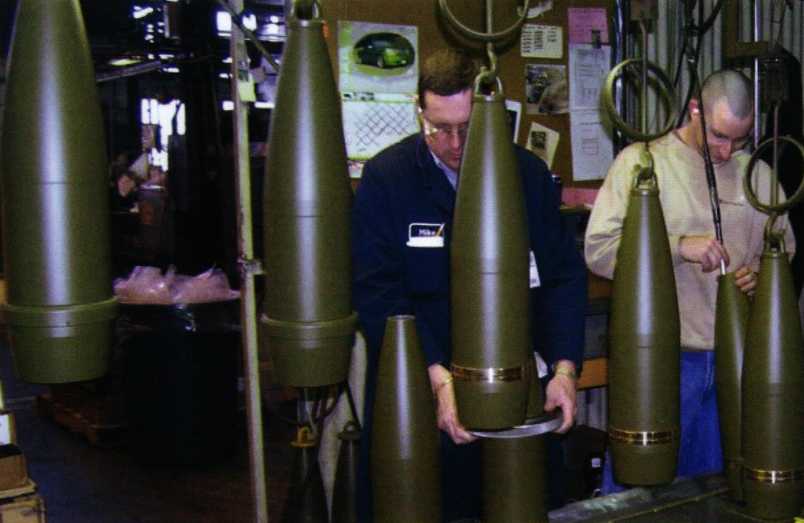
The U.S. military should also simplify the procurement guidelines and methods for precision-guided munitions and incorporate them into weapons procurement. Because the vast majority of warships and aircraft purchased are tailor-made for precision-guided weapons, although the ammunition has no maintenance costs, unlike military aircraft, they are consumables and will be used up quickly in wartime. In addition, the Department of Defense should adjust TINA The contract process can be accelerated, allowing suppliers to start corresponding production plans at a faster speed.
Broaden procurement methods and use the flexibility of contract processes
It is very important for the United States to purchase ammunition in a variety of ways, including advanced procurement technology, multi-year procurement contracts and large-scale orders, and to make full use of the market and scale production mechanism. Although the above methods are more suitable for purchasing large projects such as warships and fighter jets, they can also be used in ammunition procurement plans. Among them, long-term orders are very necessary and can greatly and effectively improve productivity.
William Laplante said that the US military has purchased a large number of ammunition in the past year without signing long-term contracts. Before this, the Department of Defense signed many long-term contracts, such as ships, fighter jets, bombers and transport aircraft. From now on, the Department of Defense has promised to sign long-term contracts for ammunition for these weapons because this can stabilize the supply chain of ammunition and send a signal to ammunition suppliers that they will participate in such production for a long time.
Invest in professional subsystems
The U.S. Department of Defense should further expand infrastructure construction for contractors, especially small contractors that specialize in producing specialized subsystems, and they need to increase investment. Because providing them with development funds can greatly improve the productivity of specialized subsystems. Usually, these investments will be invested in factories after 18 to 24 months. If these infrastructures can be continuously invested and supported, the United States will be able to effectively respond to the military’s needs for weapons and ammunition, weapon subsystems and spare parts when future wars break out.
Simplify FMS and ITAR for key allies and partners
The United States not only needs to retain sufficient inventory of weapons and ammunition, but also reform the foreign military sales process. It should provide support and services for various types of weapons and equipment to key allies and partners as soon as possible to ensure that there will be no supply crisis after entering the war. It is also necessary to continue to sell weapons to specific allies, especially those in Europe or the Indo-Pacific region, to ensure that they can better compete with Russia and China, and provide American equipment to those countries that provide military assistance to Ukraine.
Strengthen the joint production system with allies
The joint production system can bring many benefits to the United States, the most important of which is to strengthen the economic scale of the United States and its partners, allowing them to help the United States with ammunition production. There are many cases of joint production between the United States and its allies, including the production of HIMARS with Poland, the production of Precision Strike Missile (PrSM) with Australia, the production of Naval Strike Missile (NSM) with Norway, and the production of parts for Standard 6 missiles in Japan and Australia.
In addition, the US Department of Defense should also weigh the pros and cons of establishing multiple production lines for key weapons and ammunition, and establish multiple different production lines or multiple different subsystem production equipment for weapons and equipment and long-range high-precision ammunition that will be used in large quantities in future wars, so as to ensure that the future US military supply chain has a certain degree of anti-strike capability. Especially when the future ammunition production supply chain is not necessarily in the United States, but scattered on the land of allies and partners, this decentralized ammunition production system will ensure that the US ammunition supply chain can still operate normally when certain key nodes are destroyed by enemy countries.
Summary
The U.S. Department of Defense and Congress have a clear understanding of the series of challenges facing the U.S. defense industry and its lack of ability to fully respond to wartime environments. And they are increasingly aware that the severe restrictions of cumbersome and complicated procedures in the arms sales process are a serious challenge currently facing the U.S. defense industry. The U.S. Department of Defense has established a special group of senior officials to investigate the long-term inefficiency of U.S. foreign arms sales and find ways to simplify the foreign arms sales process. The purpose is to deliver various types of weapons and equipment produced in the United States to allies and partners as quickly as possible. Although this is very helpful for U.S. military reform, for now, the Department of Defense and the military spend much more time on research than on actual action.
With the continued conflict between Russia and Ukraine and the escalating tensions between China and the United States (especially in the Taiwan Strait), the United States is no longer in a peaceful environment. In 2022, Biden repeatedly stated that if there is an "unprecedented attack" in the Taiwan Strait, the US military will send troops to assist in the defense of Taiwan. American defense analyst Frank Hoffman said that if the United States cannot make sufficient changes in the near future, he will call this situation "pink flamingo", and this situation occurs because senior American leaders trust their own experience too much, thus completely ignoring situations that could have been predicted or foreseen.
The revival of the US defense industrial system was not completed in a short period of time. Now the situation is gradually becoming serious. It is time for the United States to prepare for this.