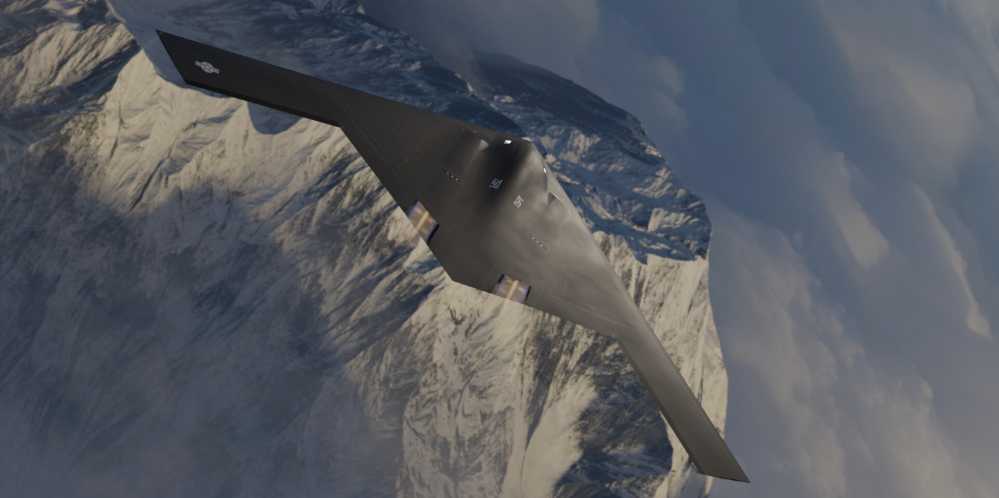

Strategic missile field: Accelerating innovation
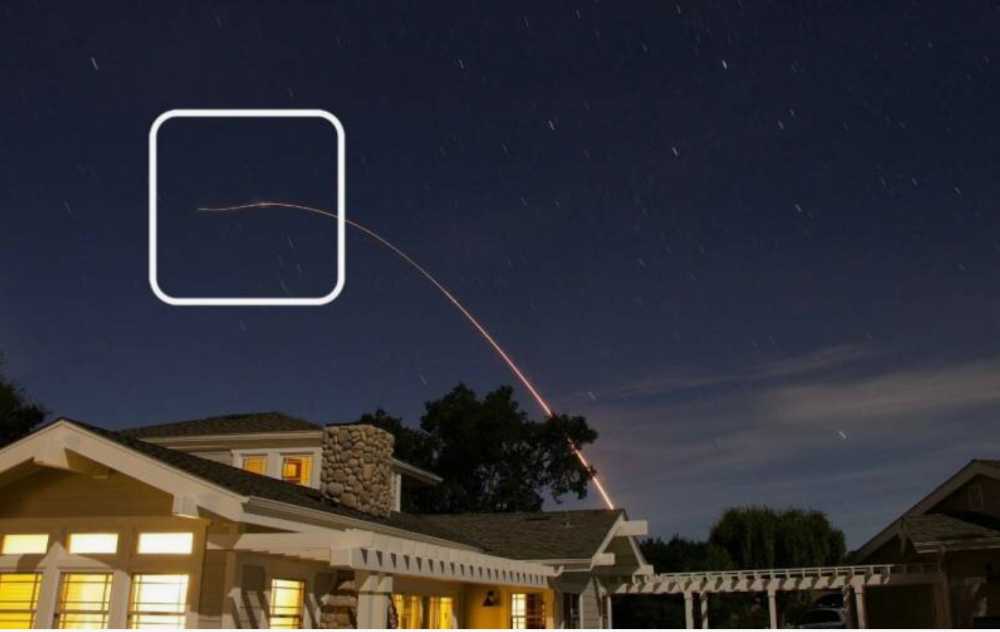
On November 1, the U.S. "Minuteman" intercontinental ballistic missile malfunctioned during a random launch test, deviated from the predetermined trajectory and self-destructed in the air. This was the third test failure in the past five years. The successor to the "Minuteman", the U.S. "Sentinel" next-generation intercontinental ballistic missile, has a huge overspending in development costs and is facing a dilemma of significant funding cuts and possible cancellation. The U.S. "National Defense Authorization Act" for fiscal year 2024 instructs the U.S. Department of Defense to conduct a feasibility study on the road mobility of the "Sentinel". In March, the US AGM-181A "Long-Range Standoff Air-Launched Nuclear Cruise Missile (LRSO)" passed the key design review and is expected to be put into service ahead of schedule.
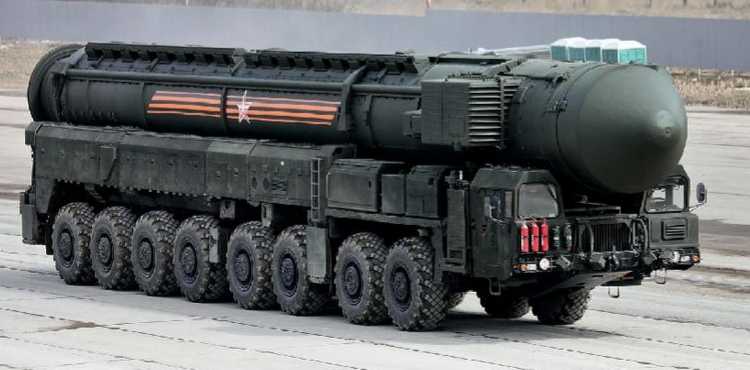
In October, Russia’s "Petrel" nuclear-powered cruise missile was successfully tested. The "dual-core" combination of nuclear power + nuclear warhead will effectively supplement Russia’s triad nuclear force system. In December, Russia announced that it was developing a new type of land-based mobile ballistic missile, which is planned to replace the current "Yars" land-based mobile ballistic missile. The development of Russia’s "Sarmat" intercontinental ballistic missile has been basically completed, and it is planned to be on combat duty in 2024.
In November, the youngest member of the world’s submarine-launched intercontinental ballistic missile family, the French M51.3 submarine-launched intercontinental missile, was successfully tested for the first time. It has a longer range, stronger survivability and penetration capability.
In February, North Korea’s "Mars"-18 new intercontinental ballistic missile made its first public appearance, and it has successfully carried out 4 test launches throughout the year, and its actual combat deployment is imminent.
In May, Iran announced the "Khorramshahr"-4 long-range ballistic missile with a range of more than 2,000 kilometers. In December, Iran rarely displayed a large number of strategic-level ballistic missiles on the highway in a high-profile manner, and the deterrent meaning is self-evident.
Hypersonic field: efforts on both offense and defense
Russia further expanded the deployment range of the three hypersonic missiles "Vanguard", "Dagger" and "Zircon". In view of the increased frequency of use of "Dagger" missiles in the Russian-Ukrainian conflict, Russia has further expanded the production of "Dagger" and "Zircon" missiles.

The actual deployment of US hypersonic missiles has been repeatedly delayed. The three flight tests of the first batch of "Long-Range Hypersonic Weapons (LRHW) of the US Army, which were originally scheduled to be delivered on September 30, were forced to cancel and the date of entry into service was postponed to the summer of 2024. The US Air Force AGM-183A "Air-Launched Rapid Response Weapon (ARRW) hypersonic missile flight tests have failed repeatedly, and the project has been basically terminated.
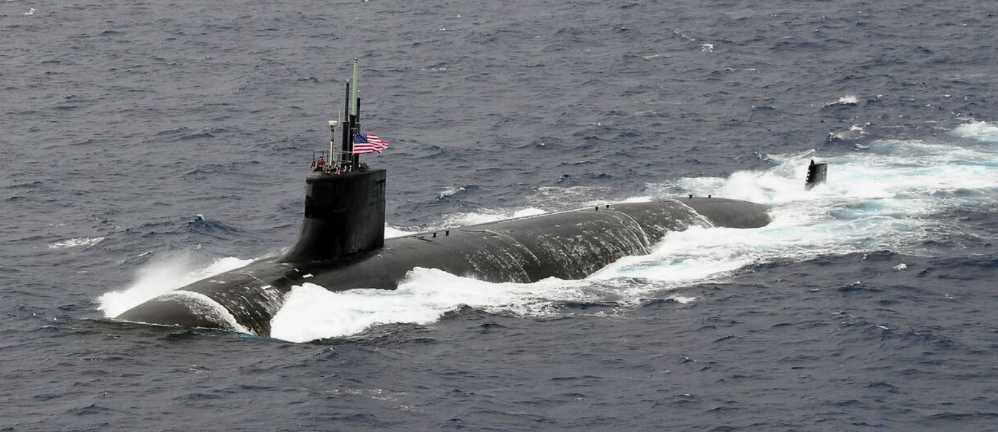
The transformation of the US hypersonic weapon carrier platform is progressing steadily. The US Navy has begun to transform two "Zumwalt" class large destroyers and "Virginia" class attack nuclear submarines to prepare for the launch of hypersonic missiles in advance.
The United States continues to promote the construction of early warning and detection capabilities such as the "Hypersonic and Ballistic Tracking Space-Based Sensor" (HBTSS) project. In March, the U.S. "Glide Phase Interceptor" (GPI) project entered the technical development stage, and intends to invite Japan to join the project team to jointly develop and share R&D costs. In September, Boeing of the United States won a four-year "Glide Destroyer" hypersonic interceptor concept research and test contract. In August, the U.S. "Next Generation Interceptor" (NGI) completed the preliminary design review of all subsystems, and is one step closer to delivery in 2028.
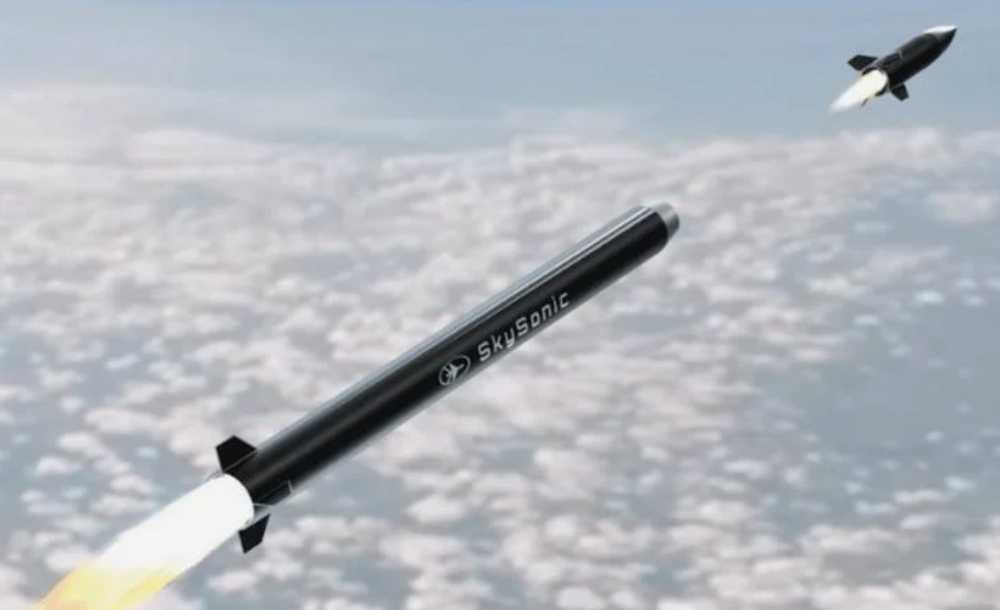
In June, Israel announced that it was developing an "Air Sonic" interceptor for hypersonic weapon defense. In the same month, the European Missile Group first disclosed the concept of the "Aquila" hypersonic interceptor.
In July, the British government said it was working on a roadmap for the development of hypersonic weapons and forming a hypersonic team to accelerate the development of hypersonic weapons through procurement, cooperative research and self-development.
In March, Japan publicly displayed a model of a hypersonic anti-ship missile propelled by a scramjet engine. In June, Iran showed off its independently developed "Fateh" hypersonic ballistic missile. Australia continued to strengthen cooperation with the United States in hypersonic technology research.
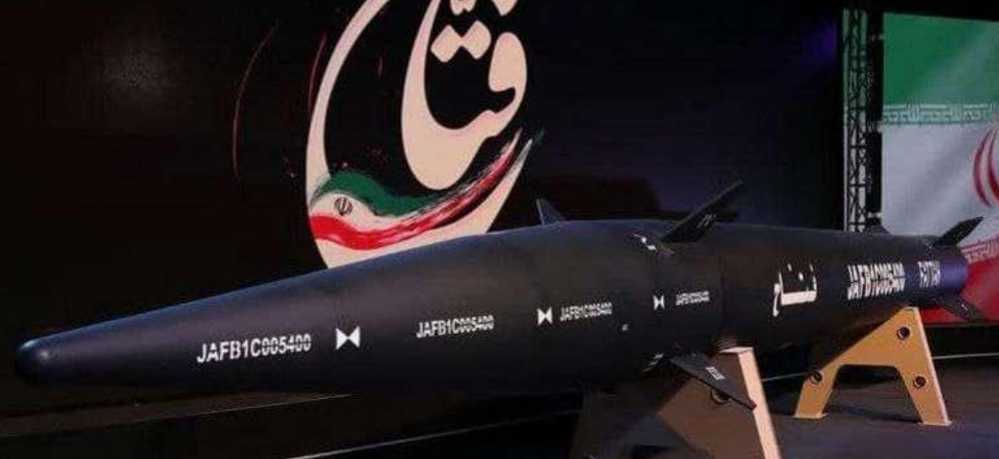
In the field of tactical missiles: significant quality improvement and incremental growth
The continuation of regional conflicts such as the Russia-Ukraine conflict and the Israel-Palestine conflict has prompted countries around the world to increase their efforts in the development and introduction of tactical missiles.
The United States has significantly increased the production capacity of the "RASM" long-range anti-ship missile, the extended-range "JASM" joint air-to-ground standoff missile, and the "Tomahawk" series of missiles, and approved the export of 400 "Tomahawk" cruise missiles to Japan, and more than 200 "Extended Range Advanced Anti-Radiation Guided Missiles" (AARGM-ER) and other missiles to Australia. In July, the U.S. Army’s "Typhon" strategic medium-range firepower system has initial combat capability and is compatible with land-based "Tomahawk" cruise missiles and "Standard"-6 air defense missiles. On December 6, the U.S. Army received the first set of "Precision Strike Missile" medium-range and short-range ballistic missile systems. In July, the U.S. "Swift Dragon" project once again demonstrated the ability of large transport aircraft to launch air-to-ground missiles, and Japan intends to follow suit.
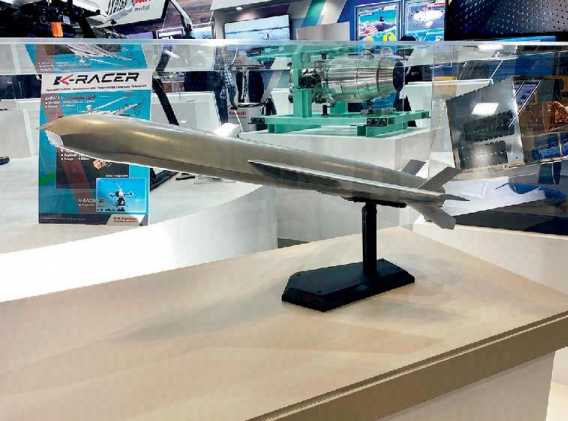
In March, Japan exhibited a new self-developed multi-platform "anti-ship missile for island defense" model, which can be launched from multiple platforms such as land-based, air-based and sea-based. "Storm Shadow", "Army Tactical Missile System" (ATACMS), air-launched decoys, gliding guided bombs and other weapons made their debut in the Russia-Ukraine conflict, accumulating actual combat experience while winning reputation for military trade. In regional conflicts, air defense systems such as "Iron Dome" and "Armor" performed well, and countries around the world have increased their procurement and self-development of air defense and anti-missile systems.
Unmanned system field: actual combat promotes research and modification
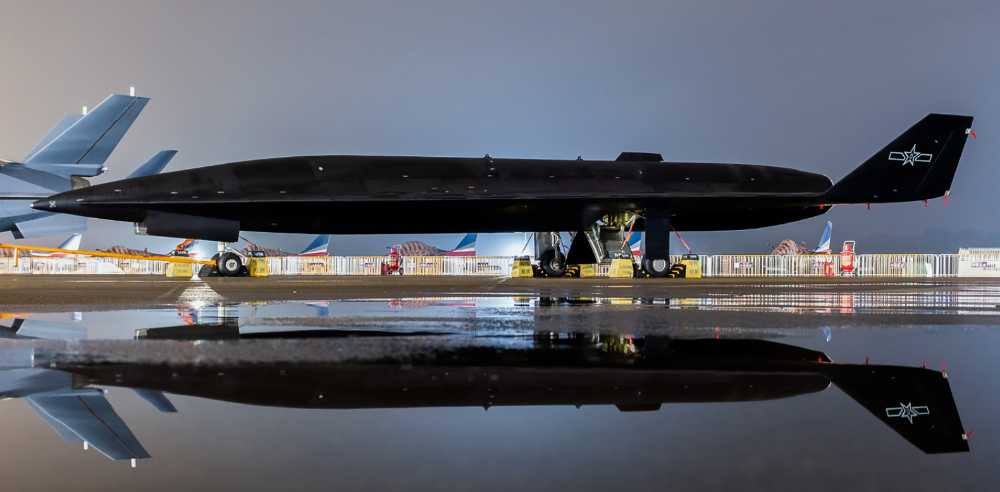
The Russia-Ukraine conflict highlights the importance of mobile combat capabilities. Cruise missiles and suicide drones are very popular, which has led to the miniaturization and simplification of anti-drone solutions. New drone models and anti-drone equipment have sprung up, and new concept anti-drone weapons such as lasers, high-power microwaves, and electromagnetics have begun to emerge. Major military powers further strengthen the integration of unmanned systems with other types of platforms.
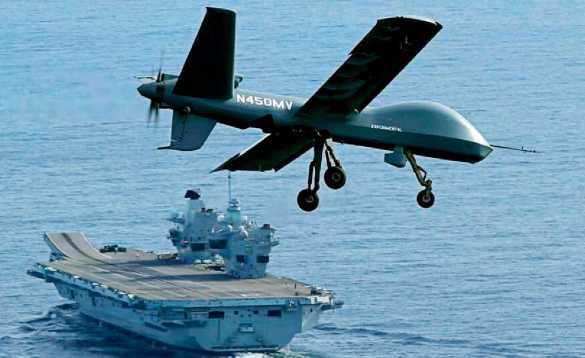
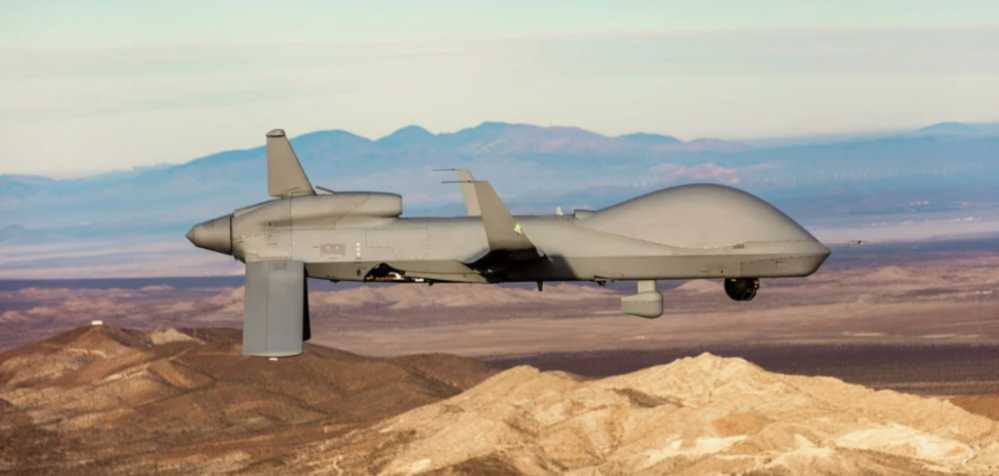
On November 17, the "Mojave" large-scale reconnaissance and strike fixed-wing drone achieved short-range takeoff and landing on a British aircraft carrier for the first time.
On October 23, the United States verified the launch of cruise missiles by an unmanned surface vessel and successfully hit a target ship. In November, the United States demonstrated the technology of launching and recovering unmanned submarines by submarines. In the same month, the U.S. Navy awarded a technical development contract for the launch and recovery of unmanned submarines by unmanned submarines.
In addition, the United States’ "Long Shot" and other drone projects are progressing smoothly. In August, the U.S. Department of Defense launched the "Replicator" project, planning to deploy a large number of unmanned combat equipment in the next two years to form a scale effect. In September, two large unmanned surface vessels of the United States were deployed in Japan for the first time, and plans to purchase 2 to 3 large unmanned surface vessels each year to rapidly expand the size of the U.S. Navy’s unmanned ship fleet. On December 20, the first US "Killer Whale" super-large unmanned submarine was delivered to the troops. It will give priority to various high-risk tasks, including sneaking into the opponent’s offshore or port to carry out combat operations.
On April 17, Turkey’s world’s first drone carrier "Anadolu" was officially put into service, which will carry the "Flagship" TB-3 and "Red Apple UAV.
Unmanned surface boats have expanded the scope of actual combat applications. Russia and Ukraine have repeatedly used suicide unmanned surface boats to launch raids on important facilities, achieving certain asymmetric combat effects.
In 2023, the world’s aerospace defense will show new characteristics and breed new opportunities; in 2024, what kind of "report card" will the world’s aerospace defense submit? Let us wait and see.