
The Russian army’s performance on the battlefield in Ukraine has been criticized, and the reasons for this situation have attracted global attention. The Russian-Ukrainian battlefield is generally a head-on collision between the military forces of two countries with relatively complete combat systems and large-scale war capabilities since the end of the Vietnam War. It is a competition between advanced weapon systems and the development of today’s information construction and new concept weapons. It is also a competition between Russia and the Western combat system. Although both sides did not perform well in the war, it was a rare large-scale local war between NATO and Russia’s complete system after the war, which contains extremely high research value.
Influence of military reform
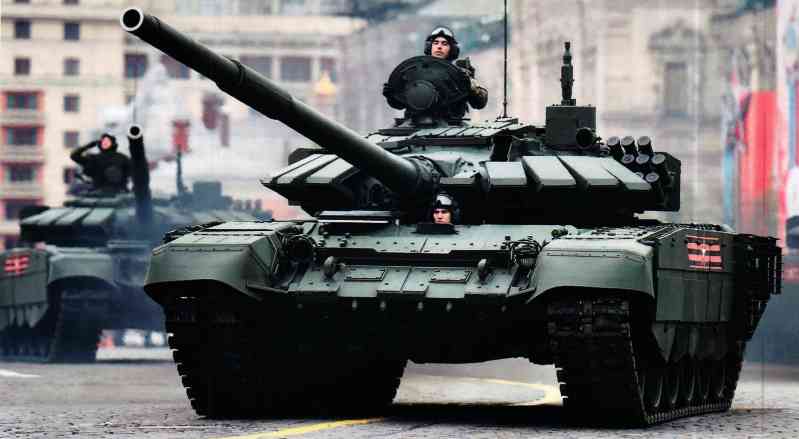
After the disintegration of the Soviet Union, Russia and Ukraine were divided into two countries, but inherited the same military theoretical ideas and weapons and equipment systems. Due to the different national conditions of the two countries, they have carried out military reforms separately after independence. The difference is that Russia has explored its own military reform path. From 1994 to now, it has carried out a total of more than a dozen military reforms. Before Shoigu became the Minister of Defense in 2012, the direction of military reform was almost all about how to strike a balance between disarmament and counter-terrorism. After Shoigu became the Minister of Defense, the direction of military reform was determined, that is, it was mainly to improve the effectiveness of the army and carry out fast and mobile reconnaissance and strike operations on a smaller scale. That is, at the beginning of the Russian-Ukrainian conflict in February 2022, the Russian army used multiple BTG battle groups to attack in multiple routes and directions. After the Russian offensive was contained and failed and began to turn to the battle for key areas, military observers around the world almost unanimously believed that the reform direction of the Russian army’s reconnaissance and strike combat system with the "Battalion Tactical Group" (BTG) as the vanguard of the campaign cluster was a failure. However, the conclusion drawn from the details of the organization and command of the Russian military’s combat operations is not so simple. To be precise, Russia’s entire military reform is a "half-baked" project, and the construction of the new armed forces system is full of loopholes. It is this series of defects that caused the BTG vanguard to open a breakthrough but there was no follow-up force to expand the breakthrough and no firepower to follow up in time, and even logistical supplies were difficult to maintain, which eventually turned into the dilemma of BTG’s independent breakthrough, independent attack, and independent defense. The tasks shouldered by BTG far exceeded its capabilities.
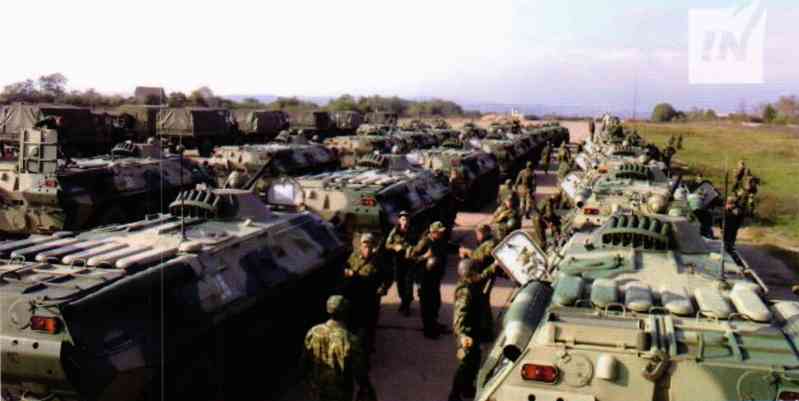
The Russian military reforms new military theories and new combat styles require BTG operations to be supported by a powerful rear-end long-range precision firepower system. BTG is only the front tentacles and sensors of this powerful precision strike firepower. However, until Surovikin took over as the commander-in-chief of the special military operation, the Russian army had not completed the supporting construction of the firepower system military reform. A large number of new long-range precision strike firepower equipment and ammunition had not been delivered to the troops. Many troops still did not have a new generation of battlefield information intelligence and command terminals, and were still using old-style command information terminals, or even old-model equipment without information terminals. The ammunition they were equipped with was mainly traditional unguided ammunition. Before October 2022, the Russian army only used long-range precision-guided weapons in large quantities when attacking enemy deep campaign-level targets, and did not launch a strategic strike against Ukraine. In the battles at the front of the two armies, the proportion of Russian precision-guided weapons used was far less than that of the Ukrainian army, including the Russian Army Aviation Corps, which rarely used precision-guided weapons.
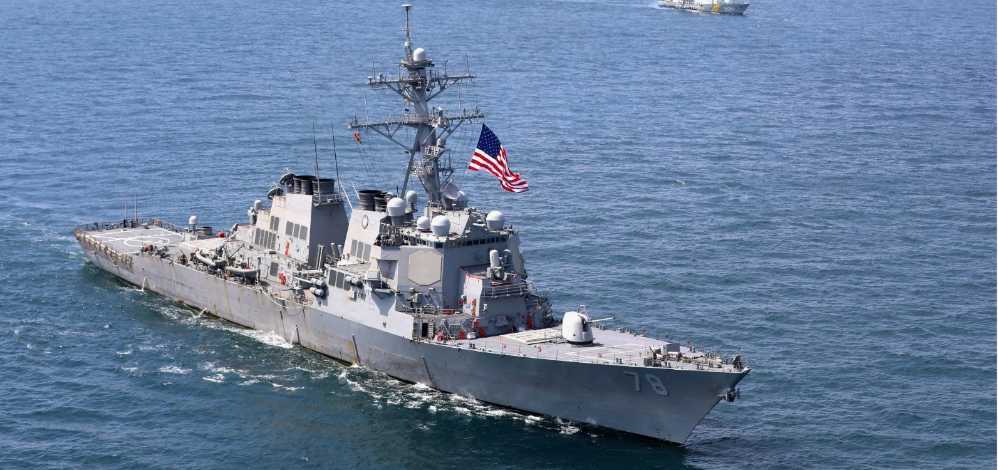
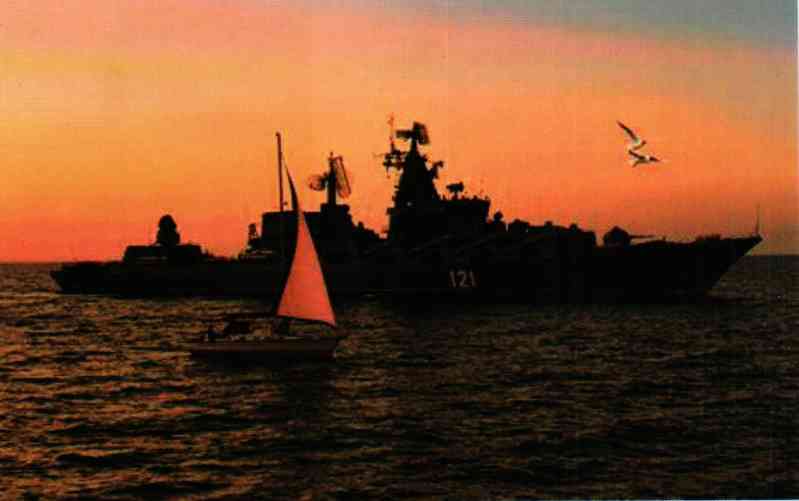
Not only the Russian ground forces, but also the navy had such problems. Before the conflict broke out, the Black Sea Fleet had about 80 surface ships, but the new generation of ships accounted for less than 1/10. This means that although the Black Sea Fleet has a large number of ships in service, in fact, the combat capabilities of most ships are not adapted to this conflict. Take the sunken cruiser "Moscow" as an example. The ship was started in 1979 and was designed entirely in accordance with the Soviet Union’s technical level in the 1970s. However, the construction process was relatively tortuous. After launching in 1983, it was delayed until 1989 before it was delivered for service. During this period, many design changes were made. In theory, it introduced technology and concepts from the 1980s to a certain extent. In fact, the Soviet Union, which was in decline and in turmoil at the time, was no longer able to make more technological upgrades. It only introduced microcomputers to replace some old hybrid computing devices. This antique-class ship is still deployed in the Black Sea in 2022. The purpose is to maintain the scale of the Russian Navy in the Mediterranean, and it is no longer suitable for high-intensity combat operations. What can really play a role in the conflict are the small and medium-sized ships newly built by Russia in recent years. These ships are equipped with ship-borne long-range cruise missiles and can undertake strike missions with a radius of thousands of kilometers around the Black Sea. Their actual combat capability far exceeds that of the "Moscow" cruiser. However, such small and medium-sized ships are also scarce in the Black Sea. Although the Russian Navy can provide long-range precision strike firepower in the depths of Ukraine, the intensity is seriously insufficient and it is impossible to launch amphibious landing operations in the coastal areas of Ukraine.
In addition to the lack of subsequent breakthroughs in ground armed forces, the Russian army is also lackluster in terms of coordinated operations between the services. The most critical Russian Aerospace Forces and Army Aviation have shown problems of insufficient manpower, backward equipment and inadaptability. The root cause is still the incomplete military reform. These problems include the inability of the tactical aviation to effectively carry out "air defense suppression" (SEAD) and "air defense destruction" (DEAD), which has caused the Russian Aerospace Forces and Army Aviation to be unable to disintegrate the Ukrainian air defense system, which has led to a series of adverse consequences, including high aviation losses, inability to effectively curb the actions of Ukraine’s long-range mobile firepower platforms, and ineffective battlefield interdiction. The Army Aviation lacks precision-guided weapons and uses a large number of short-range rockets with a large dispersion, resulting in not only low combat effectiveness, but also armed helicopters must enter the Ukrainian army’s single-soldier short-range air defense missile kill zone, resulting in high losses. This situation has improved after General Surovikin was appointed as the commander of the special military operation. However, even though this army-born officer who "can’t fly a plane" briefly served as the commander of the Russian Aerospace Force, he could not get rid of the limitations of an amateur commanding an expert, and many problems have not been fundamentally reversed.
The outside world uses the poor performance of the Russian army in Ukraine as a basis for criticizing the wrong line of Russia’s military reform, which is actually biased. After all, the Russian military reform has only been carried out halfway. Some of the Russian troops deployed in the Ukrainian battlefield are organized and equipped according to the military reform, while others are still organized and equipped with the old system. There are problems in the coordination of these two types of Russian troops. Due to the lack of corresponding institutions and the slow construction of informatization, there are too many links in the conversion of intelligence and command information, which has caused the BTG operation to be out of touch with the follow-up troops. It can be seen that the Russian army deployed in the Ukrainian special military operation is a hastily stitched monster. The supporting technical equipment, troop organization, and command system have not met the goals of the military reform, or they have not had time to implement the military reform and have rushed to join the war. This is the main reason for the poor performance of the Russian army in Ukraine.
Equipment matching factors
Russian military equipment was once considered to be at the world’s advanced level, but its performance in the Russian-Ukrainian conflict was relatively mediocre and was considered to be backward. In fact, these are all biased and unprofessional evaluations. Many of the weapons and equipment Russia has invested in Ukraine are at the world’s advanced level, and some of them are ahead of Western countries in many indicators. The main problem lies in the system supporting links. For example, long-range rocket launchers with a much higher range than Western products have not produced many supporting guided rockets. This type of rocket was developed many years ago, but the results were sealed in the research institute. The new concept of cruise missiles was first proposed by Russia, but the cruise missiles that Russia had already developed were also sealed, and so on. These are all problems caused by the economic downturn in Russia, which has led to many advanced equipment not being put into production after development and shelved for many years. This disconnection in matching led to a high number of equipment losses during special military operations, especially some expensive new equipment had to carry old and outdated unguided ammunition, which could not play the expected role at all and was destroyed by the Ukrainian army.
The problem of incomplete equipment matching is widely present in all branches of the Russian military, among which the incomplete equipment matching of the aviation force has the greatest impact, directly restricting the entire battlefield situation, forcing those new and advanced aircraft that can change the combat style to use the traditional old combat style and charge forward like simple equipment. The consequence is not only the loss of a large number of expensive new and advanced equipment, but also the impression and reputation of backward technology, and even the export market of Russian military industry may be destroyed.
The problem of equipment system matching is very prominent in special military operations, which leads to the Russian army often encountering passive situations on the battlefield, but this cannot deny the advanced nature of some Russian military equipment. After Surovikin was appointed as the commander-in-chief, he quickly made adjustments according to the planned goals, deployed and assembled supporting equipment and troops, and purchased new equipment with the help of foreign procurement. This series of measures made up for the missing links in the system and reconstructed the system architecture of the Russian army in the Ukrainian battlefield. Although this process is still ongoing, it has achieved obvious results. However, it is necessary to review the situation of the equipment systems of the Russian military in the conflict.
Structural problems of the aviation force
In any large-scale war, the aviation force is not only the most important combat force, but also the most active force on the battlefield. However, in the battlefield of the Russian-Ukrainian conflict, the activities and combat effectiveness of the Russian aviation force are mediocre and inert.
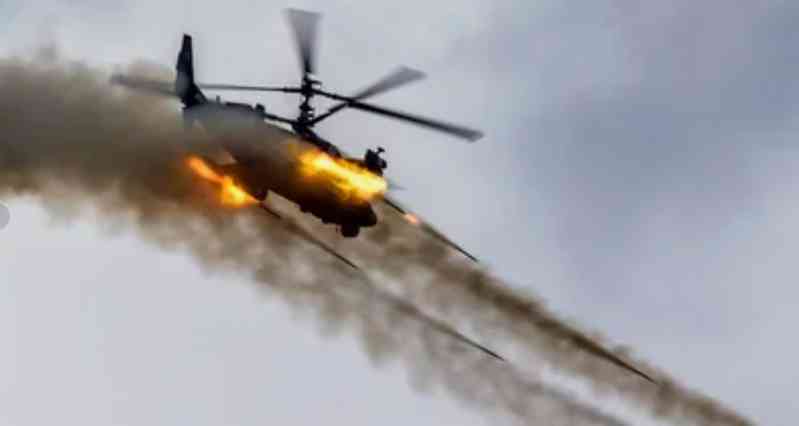
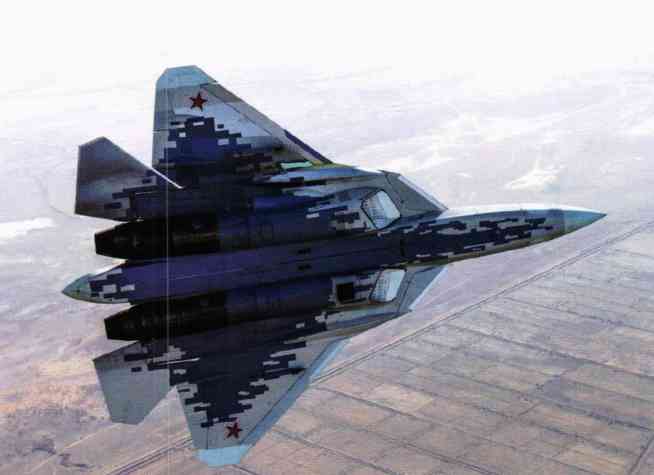
In the early days of the war, the Russian Aerospace Forces fighter aviation defeated the Ukrainian fighter aviation in just a few days and gained air superiority. There are two factors that caused this situation. First, the Ukrainian Air Force is weak and at an absolute disadvantage in terms of attack aviation strength. The number of fighter jets in the entire country is less than the number of fighter jets deployed by Russia on the battlefield, so that Russia can quickly annihilate the Ukrainian fighter aviation, and the remaining Ukrainian fighter jets are also unable to compete with the Russian army for air supremacy. Another reason is that the Ukrainian Air Force’s equipment and technology level are backward in all aspects. Almost all fighter jets are still equipped with early airborne systems, while the Russian fighter jets participating in the war are all modern new fighter jets, including the latest Su-57 stealth fighter jets. Therefore, the Russian army almost won a one-sided victory in the air battle.
However, although the Russian Aerospace Forces have gained air superiority, there are many loopholes in airspace control. The Ukrainian Air Force has taken off many times in the gaps between Russian fighter jets’ combat patrols. This is due to the insufficient number of new fighter jets of the Russian Aerospace Forces and the incomplete supporting air combat system.
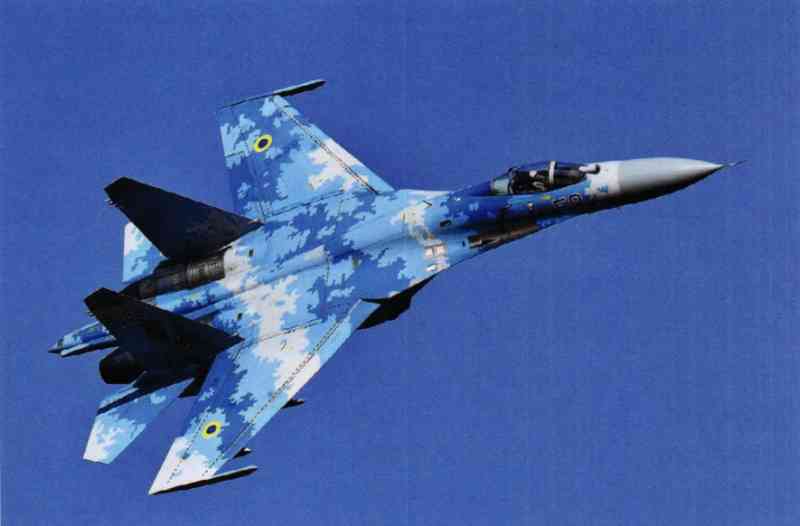
On the equipment books of the Ukrainian Air Force before the war, there were about 240 fighter-bombers and attack aircraft such as Su-24 and Su-25, and air defense fighters included 80 MiG-23s, 220 MiG-29s, and 40 Su-27s. There were also 87 reconnaissance aircraft, 35 electronic warfare aircraft, and 850 training aircraft. However, most of these equipment were in disrepair, abandoned, or grounded due to failure. Among them, 80 MiG-23s were basically all abandoned. Among the 220 MiG-29s, nearly half of them were faulty and supplied as spare parts, and only about 40 of the remaining ones were suitable for flying. Among the 40 Su-27 fighters, only 24 were in service and combat readiness. The Ukrainian Air Force fighter-bombers and attack aircraft have a relatively high integrity rate, with more than half of them in service. This is also the eight-year conflict in eastern Ukraine that has boosted the integrity rate of such combat aircraft.
In the first week of the conflict, the Russian Air Force coordinated with the ground forces’ long-range precision strike firepower to launch large-scale continuous air control operations in northern and eastern Ukraine, destroying and shooting down 80% of the Ukrainian fighter aviation’s combat-ready aircraft, including some combat aircraft that were grounded due to malfunctions. London, the UK, estimated that the Ukrainian army had less than 40 aircraft that could take off and fight a week after the launch, of which fighters accounted for about half. The remaining Ukrainian fighters are also unable to compete with the Russian Air Force. Despite the British assessment, the Ukrainian Air Force still stubbornly waited for opportunities to take off and fight, and also won a few victories, but its fighter aviation was unable to shake the Russian air superiority.
The Russian Aerospace Force has loopholes in airspace control in the Ukrainian battlefield, and insufficient manpower is an important reason. In the Russian aviation combat theory, the aviation combat system in the frontier area is composed of two major forces, namely the fighter aircraft group responsible for the air control mission in the theater and the bombing and attack aviation group responsible for the ground attack mission. Fighter aviation usually uses part of its forces for air combat patrols, and most of its forces are on standby at the airport, while the bombing and attack aviation group mainly carries out the task of attacking ground targets. According to this principle, the Russian Aerospace Force needs to deploy more than 400 combat aircraft to reach the intensity of the United States’ attendance in the Gulf War on the Ukrainian battlefield. However, the Russian Aerospace Force, which has a large number of combat aircraft, finds it difficult to draw such a large number of forces for special military operations.
For the battle area of Ukraine’s entire northern and eastern borders with a front width of nearly 2,000 kilometers and a depth of more than 200 kilometers, the Russian Aerospace Forces need at least two regiments of new fighter groups and more than six airborne early warning aircraft to support the air combat patrol mission. The ground-based air combat aircraft reserve is usually twice the number of air patrol mission forces, which means that the fleet used for air defense and fighting for air supremacy is at least close to 200 aircraft. The size of the force required for the ground strike aviation cluster is comparable to this.
It can be seen that if the Russian Air Force wants to completely control the battlefield airspace, one of the prerequisites is that all the new generation of combat aircraft in service need to be deployed to the Russian-Ukrainian battlefield, which is obviously impossible. Because Russia’s territory is extremely vast, from the Bering Strait in the Far East to the Russian-Finnish border and the Baltic Sea coast in the far west, a large number of new-generation combat aircraft are needed to provide effective defense. As a result, the Russian Aerospace Forces can only deploy less than 200 new combat aircraft to the Russian-Ukrainian front line, which is obviously difficult to achieve the goal of completely controlling the airspace in the theater. Therefore, although Ukraine does not have air superiority, it can still take advantage of the gaps in the Russian Aerospace Forces’ air superiority to launch activities.
Before the conflict broke out, the Russian Aerospace Forces had more than 4,000 fixed-wing aircraft and helicopters, half of which were fighters and interceptors. On paper, it seemed that the Russian Aerospace Forces were unlikely to have a shortage of combat aircraft, but most of the aircraft were old models that were in service before 2000, and only less than 1/4 of the old aircraft had been upgraded. There are only about 400 new combat aircraft in service after 2000, mainly new and upgraded fighters and fighter-bombers that the Russian Aerospace Forces have successively received since 2010. After 2000, the total number of various new support aircraft and early warning aircraft received was less than 20, especially the new electronic warfare special aircraft were rarely delivered. Due to the particularity of the Russian-Ukrainian battlefield, Russia actually needs various new combat aircraft to be deployed on the battlefield. A large number of old Japanese aircraft are no longer suitable for fighting with Ukraine.
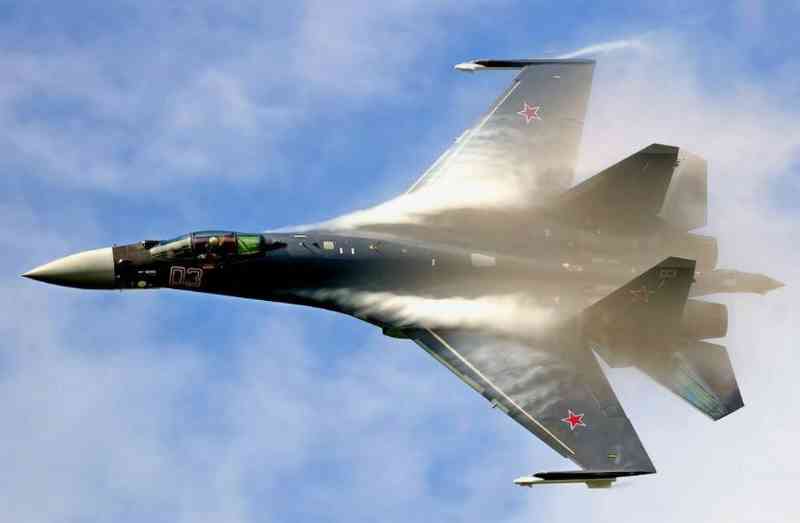
Russia and Ukraine are both Soviet republics. The aviation and air defense systems were once integrated. The Russian Aerospace Forces are very familiar with the situation of the Ukrainian aviation and air defense systems, and are very clear about the anti-strike robustness of the Ukrainian air defense system. Therefore, the Russian Aerospace Forces’ operations against the Ukrainian air defense system are mainly equipped with advanced new-generation combat aircraft, including Su-35S, Su-30SM, Su-57, etc. The characteristics of the new aircraft are that they have phased array fire control radars, multi-target strike capabilities and comprehensive ground attack capabilities, especially the ability to project precision-guided munitions outside the defense zone. These basic elements are very important on the Ukrainian battlefield.
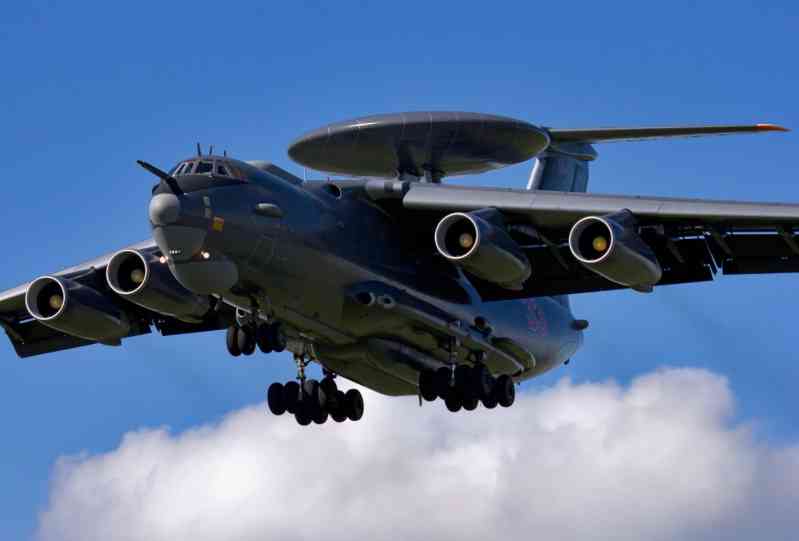
Another factor that drags down the combat capability of the Russian Air Force is the insufficient number of special aircraft. Some types of special aircraft equipment are blank. The number of early warning aircraft, which is the air command hub, is seriously insufficient. Before the conflict broke out, the Russian Aerospace Forces had only 17 A50 series early warning aircraft in service, but they had to undertake air early warning in such a vast airspace from the Bering Strait to the Baltic Sea, from the Black Sea to the Arctic. As a result, the Russian Aerospace Forces were already stretched to the limit in terms of early warning aircraft before the conflict broke out. After February 24, Russia only deployed 3 early warning aircraft in the direction of Belgorod, which could not provide 24-hour uninterrupted long-range and low-altitude air situation support for aircraft operating in the Ukrainian airspace, forcing the Russian Aerospace Forces to rely on the ground air situation radar system most of the time, which resulted in many low-altitude blind spots.
Due to the insufficient number of early warning aircraft and electronic warfare aircraft of the Russian Aerospace Forces, there are many dynamic blind spots in the alert and air situation monitoring of Ukrainian airspace. NATO’s electronic warfare technical support for Ukraine has further aggravated the interference with the Russian air situation early warning system. Therefore, the combat aircraft deployed by the Russian Aerospace Forces in Ukraine must have strong multi-spectrum long-range detection capabilities to supplement the insufficient manpower of the theater early warning system, and at the same time have a certain ground reconnaissance and surveillance capabilities. At the same time, on the Ukrainian battlefield, combat aircraft also face the threat of high-density air defense missile weapon systems, and need to have strong self-defense electronic warfare capabilities. Only the new generation of Russian combat aircraft have these system capabilities in terms of technical indicators, so the participating aircraft are mainly deployed from more than 400 new aircraft. Some of the old I aircraft that have been modernized are deployed on the second line. For example, the upgraded MiG-31 aircraft are deployed in the airspace adjacent to Ukraine on the Russian border, which not only undertakes the mission of launching "Dagger" hypersonic air-to-ground missiles, but also undertakes the mission of air defense interceptors. In addition, those old models that need to be upgraded, such as Su-27P and Su-30M, are mainly responsible for the defense of Russia’s homeland and will not participate in operations in Ukraine unless necessary. It is for this reason that the total strength of Russian Aerospace Forces combat aircraft in the Ukrainian battlefield is seriously insufficient.
Facing the Ukrainian Air Force, which is far larger and more powerful than the Iraqi army in the Gulf War in 1990, although the Russian army destroyed a large number of Ukrainian fighters in the initial stage, the lack of Russian Aerospace Forces has brought many problems. The Russian Air Force launched a large-scale air annihilation war for air superiority in the initial stage of the conflict, but it was difficult to sustain such a large-scale operation because of the lack of support aircraft such as early warning aircraft, which made air superiority intermittent. In particular, the low-altitude air situation support obtained by Russian fighters also made the intermittent period fatal, which led to the shooting down of the Su-35S on the afternoon of May 27. At that time, the Su-35S relied on the airborne system to intercept a Ukrainian Su-25 attack aircraft operating at low altitude, but another Ukrainian Air Force MiG-29 fighter jet operating at ultra-low altitude was in the blind spot of the Su-35S’s rear hemisphere. At the same time, it was the idle period of the Russian early warning aircraft, so no system detected the low-altitude MiG-29 and sent a notification to the Su-35S pilot, resulting in the shooting down of the Su-35S. In the months of combat operations of the Russian Aerospace Forces, this type of combat damage caused by the imperfect air situation support system occurred many times.
The defects of the ground strike system
Although Russia has absolute air superiority, it did not completely eliminate Ukraine until 10 months later and gain absolute control over the Ukrainian battlefield airspace. The Ukrainian Air Force has been carrying fighter jets and helicopters. The reason is that the Russian Air Force has insufficient combat aircraft, especially special aircraft such as early warning aircraft. This structural problem not only drags down the fighter aviation, but also has a greater impact on the front-line ground strike mission.
The front line of the Russian-Ukrainian conflict is a battlefield with a high density of advanced weapon systems. Russia is very clear about this. Therefore, only those new combat aircraft and those that have been modernized and upgraded are suitable for military operations against Ukraine, while those old combat aircraft that have not been modernized and upgraded are excluded from the combat sequence, leaving the Russian Air Force with only dozens of advanced fighter-bombers to carry out ground strike missions on the Ukrainian battlefield. This is also the reason why more than 200 combat aircraft deployed by Russia in Crimea, including Su-24 and MiG-29, have not been put into combat on a large scale. Due to Ukraine’s national mobilization and NATO’s military assistance and support, Ukraine’s military mobilization has been comparable to the scale of World War II, and the total width of the combat area is close to 2,000 kilometers. Faced with such a large-scale battle, the ground strike force of the Russian Air Force is stretched to its limits and cannot effectively suppress the Ukrainian air defense system and the high-mobility long-range rocket artillery and short-range tactical missile firepower.
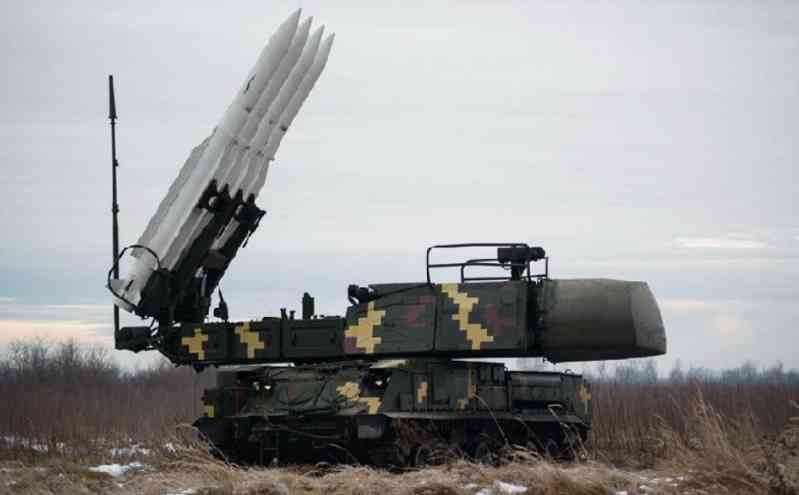
The Russian Aerospace Forces are facing the problem of the combat effectiveness of Ukraine’s ground air defense system. The Western assessment of Ukraine’s air defense force reflects, from one aspect, the advanced vision of the Soviet era in the development of weapons and equipment. The fundamental reason why the Russian Aerospace Forces excluded old combat aircraft from the Russian-Ukrainian war is the excellent design of Ukraine’s Soviet-made air defense system. The biggest feature of the Soviet-era air defense system is its strong mobility. According to the Soviet air combat principle, all air defense systems that can be mobile should try to develop mobile models. If they cannot be fully self-propelled, they should also try their best to be towed and semi-mobile. Therefore, in the Soviet air defense equipment, there are very few fixed anti-aircraft guns and surface-to-air missile systems like those in Europe. In particular, the second-generation surface-to-air missile system began to be developed in the 1960s, all of which were highly mobile armored chassis systems. In the late 1960s, the development of the third-generation air defense system went a step further, and many of them realized the platform structure of independent combat with integrated fire control system, such as the 9M33 "Wasp" surface-to-air missile system called "Sam" 8 by the West and the "Birch" M surface-to-air missile system. This type of highly mobile surface-to-air missile system with integrated fire control is recognized as the most difficult system to deal with, including the US military, and the Russian Aerospace Force is no exception.
The reason why modern mobile air defense systems have become the most difficult nightmare for aviation is that they integrate missile launchers and fire control on a highly mobile chassis, forming a self-service platform that can independently carry out air combat. Moreover, this combat chassis can quickly maneuver and wander on various terrains, and can be mixed in civilian vehicles to hide their whereabouts, or camouflaged in unexpected places. There are very few signal leaks before firing, and the stay time in one place is very short, but the strike range can reach more than ten kilometers to 40 kilometers, which exceeds the maximum range of many Russian attack aircraft, attack aviation and army aviation attack helicopter weapons. This is one of the main reasons for the high losses of Russian attack aircraft and helicopters.
Before any ground combat operation begins, the enemy’s air defense system must be completely disintegrated first. The most important thing is to annihilate these highly mobile air defense systems and launch SEAD and DEAD operations, that is, operations to suppress enemy air defense firepower and attack enemy air defense systems. This is the most complex, most difficult, and most demanding aviation operation that requires close coordination of technical equipment systems. Faced with a large number of mobile systems of the Ukrainian air defense forces, the operational difficulties of this type of aviation are further increased.
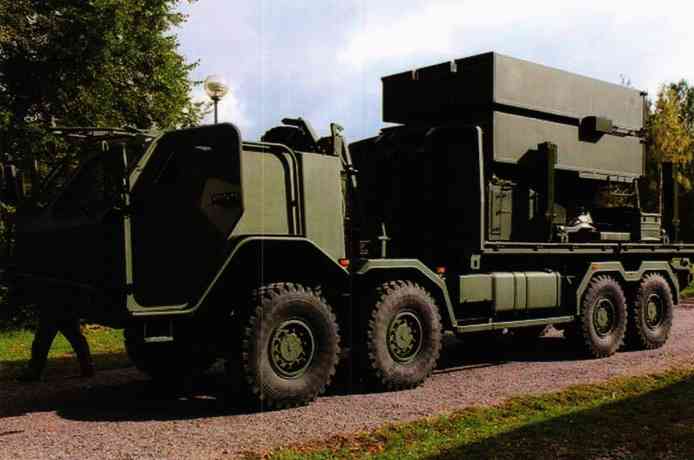
In the ground air defense systems of modern countries, mobile and semi-mobile systems have become mainstream equipment. According to NATO classification, systems that can fight directly on a mobile chassis are self-propelled fully mobile systems, systems that can fight directly on a towing chassis without detaching or hanging are high-mobility towing systems, and systems that must be detached and hung from a towing vehicle are semi-mobile systems. According to this classification, systems such as Russia’s "Tor" M system, "Beech" M system, Ukraine’s 9K31 "Arrow" 1 system used in large quantities in war, and the United States’ M48 "Quercus" system are self-propelled fully mobile systems. Russia’s S300 and S400 are high-mobility towing systems, and the United States’ Patriot system, the latest National Advanced Air Defense System, and Italy’s Asped system are all towed semi-mobile systems. For aviation SEAD operations, self-propelled fully mobile systems are the most difficult targets to capture and destroy in a timely manner, followed by high-mobility towing systems, and relatively speaking, the easiest to capture and destroy are semi-mobile systems. Target
During the Cold War, the United States and the Soviet Union had different preferences in designing ground air defense systems, which actually reflected the differences in the combat environments of the two countries. The construction of the Soviet weapons and equipment system was mainly based on operations in the Eurasian continent. The vast and continuous land that could be passed was the environment for the deployment and use of the Soviet air defense system. Therefore, the Soviet Union emphasized the ground mobility of the system and the performance of rapid switching between marching state and combat state during ground movement. For the outline limit and total weight index of the system, except for railway and ship loading, there is no need to consider other limit constraints, which makes the design of the Soviet ground air defense system have a lot of redundant space in main scale and quality.
The design restrictions of the US ground air defense system are different. First of all, we must consider that military equipment must be suitable for long-range air transport. Because the United States is located in the geographically isolated North American continent, all the hot spots in the world are far away across the ocean. Any military action of the US military must consider air transport issues. Therefore, the US ground air defense system must meet the air transport requirements in terms of main scale and total mass. This leads to strict restrictions on the main scale and total mass of the US ground air defense system, and the design space is very narrow. This is the entire chassis of the US ground air defense system The use of simple trailers or tractors has forced developers to spread the entire system over several trailers or semi-trailer frames. With the exception of the "Little Oak" system in the 1960s, the US air defense system has almost no self-propelled fully mobile chassis, all of which are semi-mobile tractor-trailer systems, which makes the theoretical battlefield navigation survival rate of US air defense systems lower than that of Soviet or Russian systems. The limitations of the weapon system caused by the US domestic environment have also been passed on to the countries that receive military assistance, making NATO countries that use US air defense systems, although they do not have the same air transport needs as the United States, also equip this towed semi-mobile air defense system with a low battlefield survival rate.
On the battlefield in Ukraine, the Ukrainian army adopted the Soviet ground air defense combat theory and principles as guidance, which well maintained the survival and combat capability of the air defense system. At the beginning of the conflict, the Russian army used long-range precision strike weapons to eliminate 70% of the S300 long-range regional air defense systems of the Ukrainian Air Defense Force. These systems were on duty for national combat readiness and were deployed in combat at permanent positions. When the Russian army launched a blitzkrieg, they were destroyed without any timely response. However, the Ukrainian Army’s "Birch" M1 medium-range regional air defense system and 9K31 Arrow-1 point air defense system, which are self-propelled mobile chassis combat systems, were rarely destroyed, and were quickly deployed to form an emergency air defense system in the depth of the Ukrainian campaign. These highly mobile chassis systems with independent combat capabilities have posed a serious threat to the Russian aviation since the outbreak of the conflict. It can be seen that as early as the Cold War, the design of the Soviet air defense system was very forward-looking. The self-propelled fully mobile system designed according to the Soviet combat thinking is still the most difficult and threatening ground target for the aviation force. Even this kind of old-fashioned system manufactured and delivered during the Soviet period is also a tough enemy that is not easy to deal with for the SEAD operations of the aviation forces of various countries.
Facts have proved that the previous special military operations commanders before Surovikin took office did not make good use of the aviation force to effectively attack the Ukrainian air defense system, and the strikes on the ground targets of the army were also mediocre. After all, Surovikin is an aviation expert with experience in commanding the Syrian battlefield. After taking office, he began to build a battlefield system with great determination. Frequent satellite launches were carried out from October to November, and at least two satellites were confirmed to be optical remote sensing satellites. These satellites constitute uninterrupted observations of the entire Ukraine, which played a decisive role in capturing the military activities of NATO and the Ukrainian army in Ukraine. As early as May 2022, Russia began to strengthen the satellite launch of the GLONASS positioning system to improve the positioning accuracy of Russian weapons and equipment and precision-guided munitions in Ukraine.
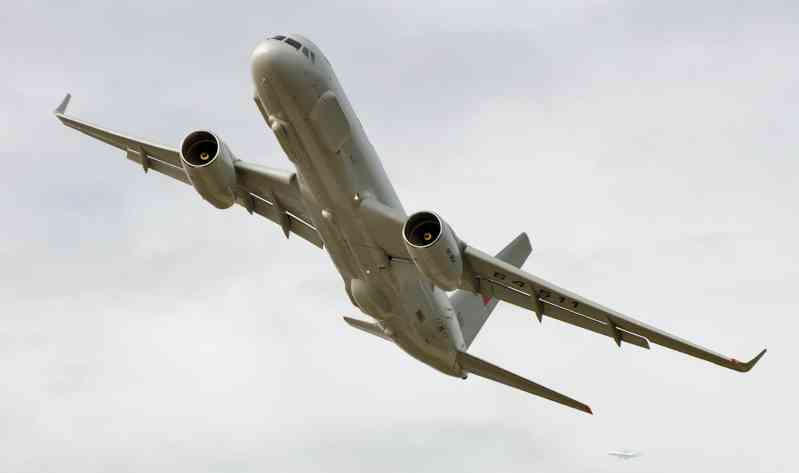
Another major decision made by Surovikin after taking office was to transfer large battlefield surveillance aircraft to the front line. Although the Russian Aerospace Forces are only equipped with two Tu-214R battlefield surveillance aircraft, they have been sent to the Ukrainian front line. This aircraft has a large-aperture phased array multi-function antenna installed on the side of the fuselage, which can scan and image terrain within a range of 250 kilometers and underground more than ten meters below the desert surface in synthetic aperture radar (SAR) mode. The Tu-214R can not only conceal targets, but also accurately locate radio signals within 450 kilometers in listening mode, and can coordinate with ground big data centers to process multiple targets at the same time. The performance indicators of the Tu-214R battlefield surveillance aircraft far exceed those of the US E-8A battlefield surveillance aircraft. This type of aircraft does not need to enter the Ukrainian battlefield. It only needs to fly parallel to the front line on the Russian side to obtain information on the activities of the Ukrainian army and NATO from the front line to central and western Ukraine. The radio reconnaissance range can cover the border areas of Romania, Moldova, Hungary, the Czech Republic and Poland. However, the number of this type of aircraft is too small to maintain 24-hour uninterrupted air surveillance.
The deployment of Russian optical remote sensing satellites and Tu-214R aircraft to the battlefield has brought significant changes to the battlefield situation. First, Ukraine’s high-mobility long-range artillery losses have increased sharply, NATO military aid has increased sharply during transportation, the Russian army’s firepower strikes on the marching enemy have caused a sharp increase in casualties, and the casualties of Ukrainian command post personnel and mercenaries have increased sharply, etc. These results are inseparable from the intelligence coordination of battlefield surveillance aircraft and remote sensing satellites. In principle, the Russian military battlefield comprehensive intelligence system relies on satellites to provide full-area surveys and surveillance images to collect strategic intelligence, and the downlink is sent back to the big data intelligence analysis center. Artificial intelligence is used to identify suspicious targets in the image, form detailed investigation intelligence, and hand it over to the detailed investigation satellite control department. Then the satellite is dispatched to queue up and investigate the suspicious targets, and the intelligence information is marked on the satellite image and forwarded to the campaign and tactical reconnaissance system, and distributed to battlefield surveillance aircraft, drone units, reconnaissance vehicle units, or foot reconnaissance units for confirmation and verification, forming basic combat intelligence, or used for firepower strikes, or for formulating combat plans, etc.
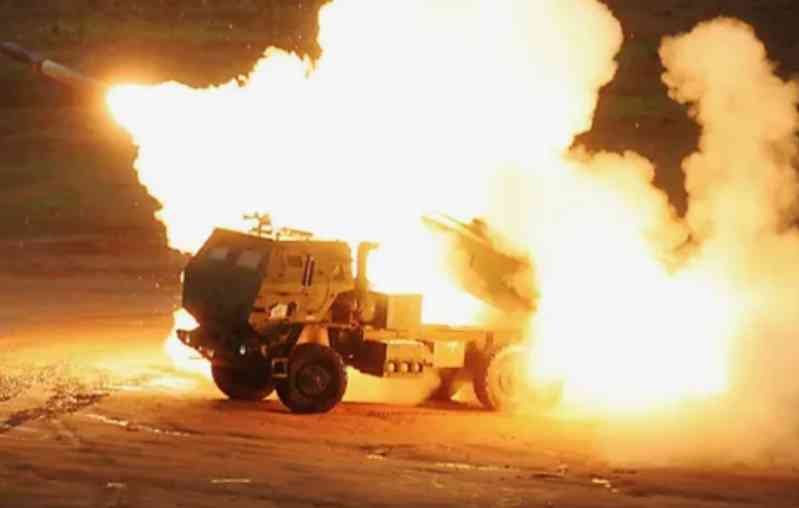
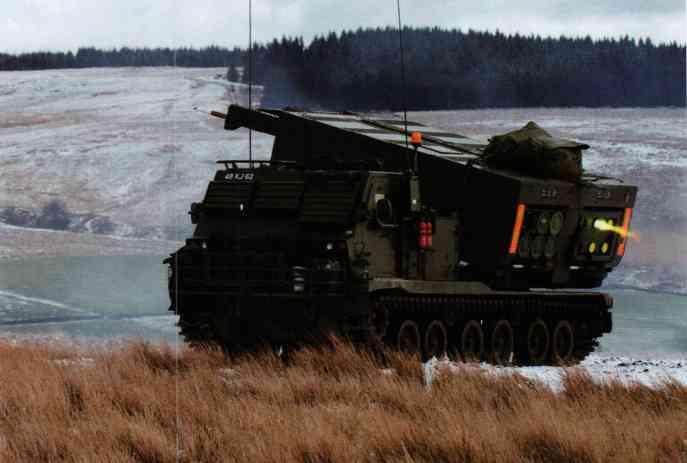
From the combat situation, the Russian army’s ability to accurately capture the Ukrainian army’s highly mobile artillery units has greatly improved, causing a sharp increase in the losses of the Ukrainian army’s mobile artillery units. Especially from October to November last year, the number of "HIMARS" long-range artillery destroyed with US assistance increased. Although Ukraine and NATO remained silent on this, judging from the fact that NATO countries proposed to provide Ukraine with M270 rocket launchers, it is very likely that the "HIMARS" rocket launchers delivered previously suffered heavy losses, or may even have been completely destroyed. Surovikin is likely to have reformed this intelligence command process to enable it to adapt to operations against time-sensitive targets throughout Ukraine. The US "HIMARS" rocket launcher is actually a wheeled chassis version of the M270, which is a chassis version delivered to the US military in the 1980s, but the number of launch tubes is 1 times more than that of the "HIMARS", with 2 units and a total of 12 tubes installed. However, the maximum road speed of this two-track chassis is much lower than that of the HIMARS wheeled chassis, but its off-road capability is far superior to that of the HIMARS, and its main dimensions are also much larger than those of the HIMARS. Although the M270 is an old-fashioned equipment developed and put into service 40 years ago, it has been upgrading to keep its weapon effectiveness up to date with advanced levels. Therefore, compared with the HIMARS, the two are almost the same in terms of automation and informationization. Since Russia has deployed optical remote sensing satellites and advanced Tu-214R surveillance aircraft specifically for the Ukrainian battlefield, it is much more difficult for vehicles with tracked chassis such as the M270 to reach the battlefield relying on camouflage than the HIMARS. Russian battlefield surveillance aircraft are likely to be able to identify its characteristics within a range of 250 kilometers through SAR radar imaging and organize long-range firepower to destroy it. Many large equipment of the Ukrainian army were destroyed on the march in this way.
Problems of fighter-bombers and attack aircraft
The aviation characteristics of modern ground warfare determine that the first stage of the war must be to destroy the enemy’s air defense system as the campaign phase goal, that is, SEAD and DEAD operations. The main forces that undertake this combat mission are fighter-bomber aviation and long-range precision strike firepower. The reason why fighter-bomber aviation is the main force of this type of operation is that the most important thing for this type of operation is that the combat aircraft must have the ability to reconnaissance and tracking and monitoring the enemy’s air defense system outside the defense zone and the ability to project medium- and long-range precision-guided weapons outside the defense zone. Therefore, fighter-bombers or multi-purpose fighters with large payloads and long detection distances of airborne systems are the main forces to attack the enemy’s air defense system within the entire war zone map. Among the attack aviation and army aviation, those attack aircraft and armed helicopters with simple equipment and mainly carrying medium- and short-range precision strike ammunition undertake the combat mission of attacking shallow and deep enemy air defense systems, which belong to the auxiliary mass.
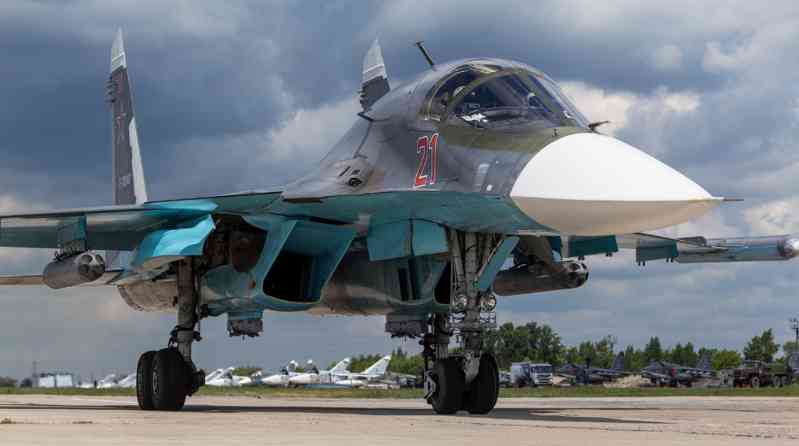
Due to the high density of the Ukrainian battlefield air defense system, and after years of NATO’s information upgrade and transformation, and the West’s continuous replenishment of various air defense systems to Ukraine after the outbreak of the conflict, some of the old models of Russian Aerospace Forces’ fighter-bombers that have not been upgraded are difficult to perform such strike missions. This is also the reason why the combat activities of old-fashioned Su-24 fighter-bombers are rarely reported in the conflict. However, the number of new fighter-bombers delivered to the Russian Aerospace Forces is not large, and the number that can be deployed to the Ukrainian battlefield has made it impossible for Russia to completely disintegrate Ukraine’s air defense system. /. In addition to the insufficient number of fighter-bombers, another problem encountered by the Russian Air Force’s new strike-bombers on the Ukrainian front is the lack of supporting support systems and precision strike weapons, or even a lack of them. Due to the shortage of a series of supporting medium- and long-range precision strike ammunition, the Russian fighter-bombers have to carry medium- and short-range ammunition to carry out attacks on close targets. There is no strong electronic warfare aircraft support, and they mainly rely on airborne self-defense electronic warfare protection. This heavy fighter-bomber is forced to fight in the high-density medium and low-altitude air defense weapon firepower, and losses are caused by this. This type of heavy fighter-bomber is actually designed mainly for the task of projecting precision strike ammunition outside the defense zone. The battlefield of the Russian-Ukrainian conflict has completely violated the application environment for heavy fighter-bombers. As a result, more than a dozen Su-34 heavy fighter-bombers have been shot down. Similar to the Su-34, there are also Su-30SM heavy multi-purpose fighter-bombers and multi-task heavy Su-35S fighters used for ground attacks.
In many Russian reports, attack aircraft and attack helicopters are the most frequently seen ground attack aircraft. Among them, the Su-25 attack aircraft is not only mainly used for close support to attack Ukrainian artillery, vehicles and other tasks, but has also been used many times to attack the mobile point air defense system deployed on the front line of Ukraine. According to the report, the attack aircraft mainly used rockets, indicating the lack of supporting precision-guided weapons. In fact, the Su-25 attack aircraft is equipped with laser-guided bombs and the Strong Attack series of air-to-ground missiles, but these two types of ammunition are not suitable for use on the Ukrainian battlefield. The reason is that the laser-guided bomb must be dropped at a medium-high altitude and within 20 kilometers from the target. This range happens to be the best killing range of Ukrainian surface-to-air missiles. In addition, the bomb’s fall time is much longer than that of the missile, so the attack aircraft must maintain a high degree of illumination of the target during the entire falling process, becoming the target with the best conditions for surface-to-air missile shooting. The range of the Strong Attack series of radio beam-guided air-to-ground missiles is only a few thousand meters, which not only forces the attack aircraft to advance to the range with the greatest firepower intensity of the Ukrainian army, but also requires the carrier aircraft to limit maneuvers and keep aiming at the target after launch, which will obviously make the attack aircraft the best target for surface-to-air missiles for a relatively long time. These factors are the reasons why Russian attack aircraft have to use rockets and the high losses of Su-25 attack aircraft.
The Su-25 attack aircraft has a relatively simple airborne system and does not have rich electronic countermeasures. It mainly relies on ultra-low altitude to evade the Ukrainian air defense firepower, which is often ineffective in the Ukrainian plains. It often encounters attacks by Ukrainian single-soldier missile units or hidden air defense weapons. The corresponding tactical countermeasures adopted by the Russian attack aviation are to let the attack aircraft fly at ultra-low altitude, and then in an upward posture, before the aircraft enters the range of the Ukrainian light air defense weapons, implement long-range rocket indirect fire to hit the target. This tactic can avoid air defense firepower to a certain extent, but the strike accuracy is poor, and it requires quite experienced pilots to destroy the target. The Russian military’s compensatory measure is to attack with multiple aircraft in multiple directions, which to a certain extent overcomes the impact of poor hit accuracy and uneven pilot experience. According to the information disclosed by the Russian side, this attack aircraft tactic is more effective in attacking targets such as Ukrainian towed artillery positions, semi-mobile air defense systems, Ukrainian anti-artillery radars, and NATO-assisted towed surface-to-air missile systems, but is less effective in attacking highly mobile self-propelled artillery and highly mobile air defense systems. (To be continued)