
The U.S. "Aegis" missile defense system originated from the "Aegis combat system" developed in the 1970s. It has now developed two versions: sea-based and land-based. In order to cope with the growing threat of ballistic missiles in the future, the United States has been promoting the construction of the system, making it gradually develop in an integrated direction, so as to obtain global defense capabilities. Especially in After the outbreak of the Russian-Ukrainian conflict in early 2022, Russia used a large number of various types of missiles (including ballistic missiles, cruise missiles, hypersonic missiles, etc.) to attack Ukrainian targets, which further strengthened the United States’ determination to establish a more effective missile defense system.
System composition and combat process
System composition
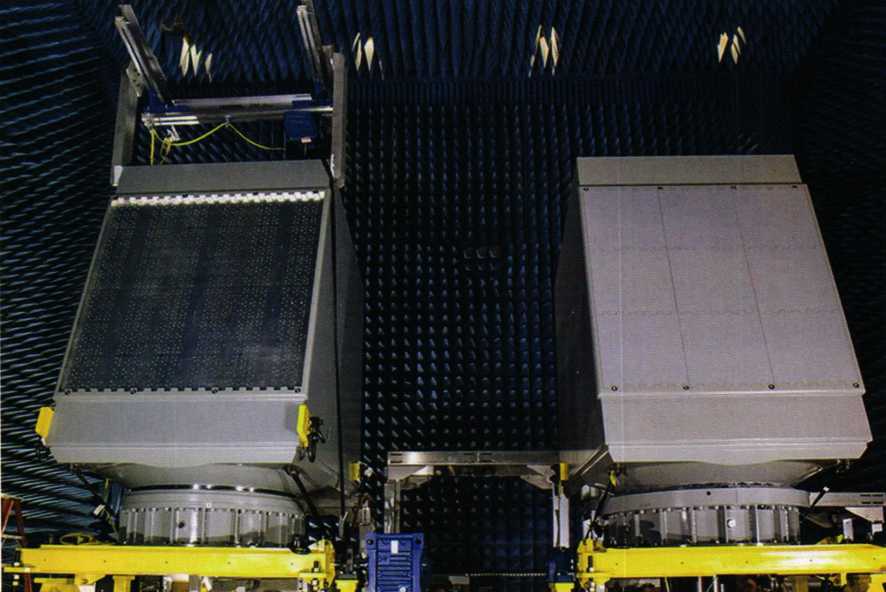
The "Aegis" missile defense system is mainly composed of the "Aegis" radar system, command and decision-making system, weapon control system, vertical launch system and interceptor missiles. The radar system mainly realizes the rapid detection and tracking of incoming ballistic missiles and the precise guidance and control of interceptor missiles. The radar system covers a 360° range and is equipped with 4 antenna arrays, each of which is octagonal. The early radar model is the AN/SPY-1 basic model. After many iterations and improvements, there are currently two main models: ANSPY1B and AN/SPY1D. The AN/SPY-6 under development will be equipped on the "Jack H. Lucas" (DDG 125) and later Burke-class Flight III destroyers, this type of radar not only has stronger detection capability and detection accuracy, but also has better battlefield situation awareness.
The command decision system plays the role of a command and control center. It is composed of a computing processing system and a display control system, and is mainly responsible for the coordination and control of the entire combat system. In anti-missile operations, the command decision system can make threat judgments on incoming ballistic missiles in a timely manner, process radar detection information and external tracking data, establish anti-missile tactics, optimize defense plans and distribute firepower. At the same time, the system is connected to the weapon control system. In the "automatic" working mode, it can command the weapon system to control each subsystem and automatically launch interceptor missiles to intercept targets.
The weapon control system is mainly used for target strike planning, issuing ignition commands and controlling interceptor missiles. In anti-missile operations, the system performs interception calculations in accordance with the instructions of the command decision system, combined with the identification and tracking information of the target, and allocates targets to the weapon system to control the vertical launch system to launch interceptor missiles and guide them.
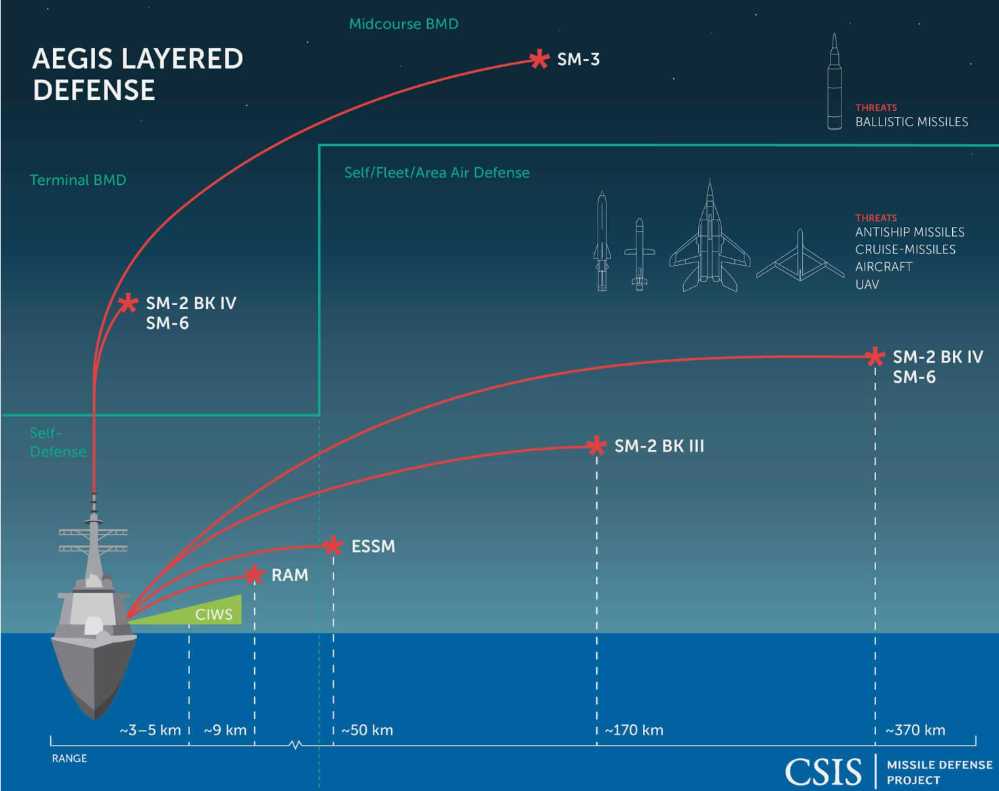
The Mk41 missile vertical launch system is matched with the "Aegis" system. Each launch unit of the system has 8 standard launch tubes, which can be loaded with 8 interceptor missiles and can be launched and loaded at a speed of 1 missile per second. The Mk41 system is compatible with various types of interceptor missiles, including the "Standard" 2 series ("Standard" 2Block I), "Standard" 3 series ("Standard" 3Block IA "Standard" 3 BlockIB, "Standard" 3 Block Ⅱ A), and "Standard" 6 series ("Standard" 6 Dual I / Dual Ⅱ). The "Standard" 2 series and "Standard" 6 series interceptor missiles have a shorter range and are used for terminal interception within the atmosphere, while the "Standard" 3 series interceptor missiles have a longer range and are used for mid-course interception outside the atmosphere.
Combat process
The operational process of anti-missile operations can be divided into four stages, namely the search and tracking stage, the weapon planning stage, the firepower confrontation stage and the effect evaluation stage.
In the search and tracking stage, "the Aegis radar simultaneously emits electromagnetic waves in a 360° range to scan and search the entire airspace. After discovering the target or receiving real-time target information from the data link, it automatically switches to the tracking state and sends the target information to the command decision system; in the weapon planning stage, the command decision system identifies the enemy and friend according to the target information sent by the radar, calculates relevant parameters, formulates an interception plan, and passes it to the weapon control system, which plans the launch unit according to the weapon status, determines the number and interception direction of the interceptor missile, and launches the interceptor missile; in the firepower confrontation stage, the weapon control system can send correction instructions to the interceptor missile through the radar for precise guidance as needed, and the interceptor missile corrects the flight route after receiving the instruction; in the effect evaluation stage, the radar automatically evaluates the effect according to the interception situation, decides whether to conduct a second interception, and sends the situation to the command decision system.
Main deployment of the system
Sea-based deployment
Sea-based deployment is the main deployment form of the Aegis system. Since the platform on which the system relies is a surface ship with strong maneuverability, its survivability is greatly improved. At the same time, surface ships can be deployed along the missile flight route according to the needs of the interception mission, so that the target can be better detected, tracked and intercepted.
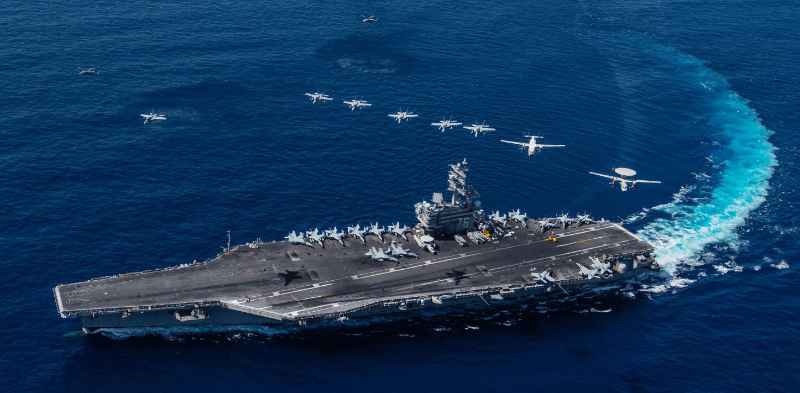
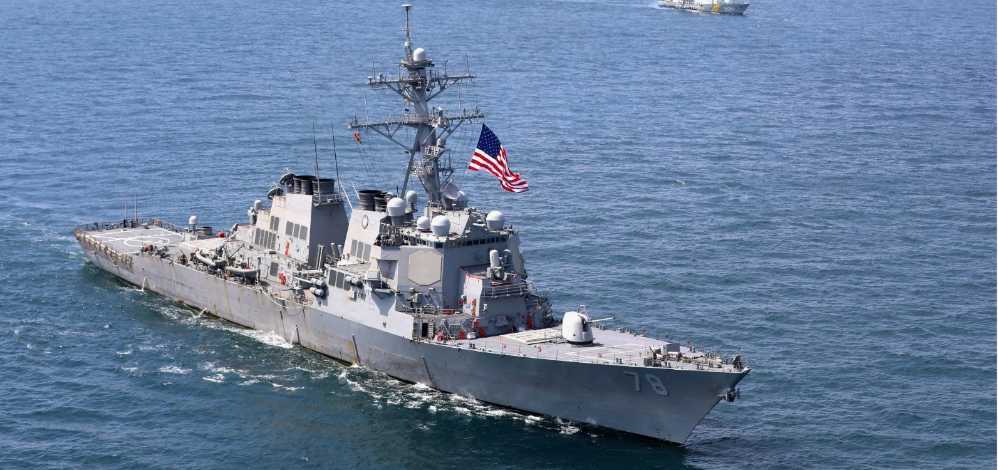
Deployment of the US Navy. According to a document submitted by the US Missile Defense Agency some time ago, by the end of 2022, the number of sea-based "Aegis" platforms has increased from 38 to 48. The sea-based "Aegis" system is mainly deployed on 5 Ticonderoga-class cruisers and 43 Burke-class destroyers. These warships belong to the Pacific Fleet and the Atlantic Fleet, and their home ports are mainly Pearl Harbor San Diego Port and Yokosuka Port in the Pacific, and Norfolk Port, Mayport Port and Rota Port in the Atlantic.
In order to meet the requirements of the European phased adaptive missile defense program, the US Navy deployed 4 "Aegis" ships at the Rota Naval Base in Spain from 2014 to 2015. These 4 ships can perform ballistic missile defense and other tasks in the Mediterranean. In the future, the US Navy will send a new batch (4) of "Aegis" ships to the region for replacement. At the same time, the US Department of Defense is considering whether to send 2 more ships in the future based on the actual missile defense situation in the region.
2. Deployment of navies in other countries.
The Japanese Maritime Self-Defense Force has a total of 8 "Aegis" destroyers, 4 of which are equipped with the 5.1 version of the "Aegis" missile defense system, and the other 4 are not equipped yet. The South Korean, Spanish and Norwegian navies each have 3, 5 and 4 (originally 5, 1 scrapped due to an accident) "Aegis" ships, but none of them are equipped with missile defense systems and do not have anti-missile capabilities.
Land-based deployment
1. European deployment. In order to protect European allies from ballistic missile attacks from Iran, Russia and other countries, the United States has deployed a land-based "Aegis" missile defense system in Romania and Poland respectively. These two systems can work in conjunction with the four "Aegis" ships deployed in the Mediterranean to obtain stronger missile interception capabilities.
The land-based Aegis system currently deployed in Romania is version 5.0, which is the first land-based Aegis system used in actual combat. The system began to select sites for construction in 2013, was officially put into use in May 2016, and is planned to be upgraded to version 5.1 after the defense system in Poland is completed.
The land-based Aegis system in Rezikovo, Poland, began construction in May 2016. Due to the COVID-19 pandemic and other reasons, the contractor failed to complete the auxiliary control, heating, cooling, power and other projects on time. Lieutenant General Jon Hill, director of the US Missile Defense Agency, said that the land-based Aegis system in Poland is version 5.1. All equipment of the system has been installed in place and is currently being tested. It is expected to be officially put into use in 2023.
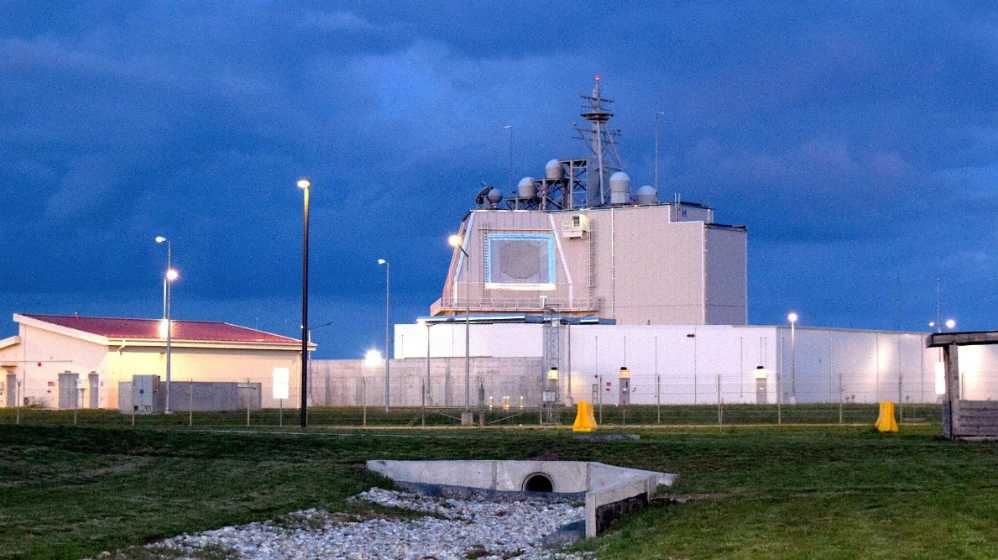
2. Deployment in Hawaii. In 2013, the United States deployed a test version of the land-based Aegis system with the same configuration as the actual combat version on Kauai Island in Hawaii. After North Korea’s fifth nuclear test in 2016, the United States proposed to transform the system for actual combat defense to enhance the ballistic missile defense capabilities of Hawaii and the west coast of the United States. In 2019, the U.S. Department of Defense again proposed this plan in a review report. In the future, the U.S. Missile Defense Agency and the Navy will conduct further research and demonstration on the plan.
3. Planned deployment in Japan. In December 2017, Japan decided to purchase two land-based Aegis systems from the United States. However, due to security, funding and technical considerations, the plan was cancelled on June 15, 2020. In August 2022, Japan announced an alternative plan: to build two 10,000-ton anti-missile destroyers and deploy the land-based Aegis system on the destroyers for anti-missile missions. According to analysis by Japanese military experts, the new sea-based Aegis system will be equipped with the latest solid-state phased array radar and "Standard" 3 BlockⅡA interceptor missiles, so the two 10,000-ton Aegis destroyers will have stronger air defense and anti-missile capabilities than the current Aegis destroyers, but the construction cost is very expensive, which will exceed 580 billion yen (about 30 billion yuan), which is about 25% higher than the entire land-based plan.
Interception capability analysis
Sea-based "Aegis" interception capability
1. Single-ship interception capability. Single-ship interception means that the "Aegis" missile defense system relies on its own shipborne radar to detect and track targets, and at the same time, launches "Standard" 2/3/6 missiles for interception according to interception conditions and priorities.
The single-ship interception capability mainly depends on the shipborne radar detection and tracking capability and the ship’s anti-saturation strike capability. Affected by the dual effects of space and the curvature of the earth, the maximum detection range of the shipborne radar is less than 500 kilometers. When facing the threat of high-speed, high-trajectory medium- and long-range ballistic missiles, it is difficult to successfully intercept without being able to detect the target in time and provide enough time for subsequent interception. In addition, radar mainly judges targets based on echo characteristics and motion characteristics, and it is difficult to accurately determine the target attributes in a timely manner.
2. Cooperative engagement interception capability. Cooperative engagement can give full play to the advantages of sensors and weapons of platforms such as ships and aircraft, so that other platforms in the combat network can share these advantages, so that all participating platforms can truly become a tactical whole, which can greatly improve the combat capabilities of each platform. Cooperative engagement interception can be divided into two modes: long-range launch and long-range engagement.
The "Aegis" missile defense system has initially acquired the ability to launch based on long-range information since version 3.6. In this mode, the system can make judgments based on long-range target information obtained from the anti-missile network. When the missile is about to enter the detection range of the ship’s radar, the "Standard" 3 interceptor missile is launched in advance. When the ship’s radar detects and tracks the incoming missile, the interceptor missile is guided in real time through the ship’s guidance link. After upgrading to version 5.1, the system has long-range engagement capabilities. In this mode, combat ships are completely free from the limitations of their own radar detection range. Without relying on their own radars, they can launch and guide interceptor missiles by grasping the target information provided by other platforms in the anti-missile network in real time.
Compared with single-ship interception, the coordinated engagement interception mode can give full play to the 2,500-kilometer interception range of the "standard" 3BockⅡA, but accurate, continuous and real-time external tracking data is the key factor in determining whether the interception is successful.
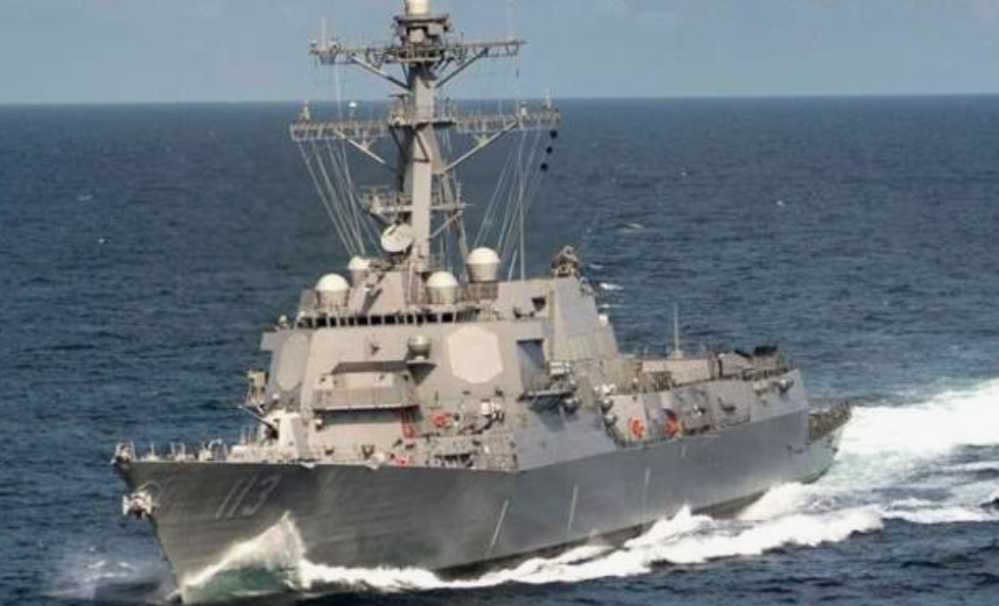
Since 2017, the U.S. military has conducted six interception tests on the Standard 3 Block ⅡA, four of which were successful. In the sixth interception test on November 16, 2020, the missile was launched from the USS John Finn (DDG 113) Aegis destroyer hundreds of nautical miles east of Hawaii, and successfully intercepted an intercontinental missile target launched from the Marshall Islands and flying toward the northeast coast of Hawaii. This test verified that the missile has the ability to intercept intercontinental missiles, and also verified the coordinated engagement capability of the Aegis missile defense system.
Land-based Aegis interception capability
Since the land-based Aegis system is deployed on land, its vertical launch system is not limited by the small space of surface ships, and its volume and size are larger than the ship-borne type. However, the land-based Aegis system is only equipped with the Standard 3 series of missiles and does not have terminal interception capabilities. The land-based Aegis system deployed in Romania is equipped with AN/SPY-1D radar and Standard 3 Block IB interceptor missiles. The system works with the ship-based Aegis system deployed in the Mediterranean region to detect targets earlier and intercept missiles in the ascending phase of the missile launch. It can effectively intercept ballistic missiles with a range of 3,000 kilometers and realize missile defense for central Europe.
The land-based Aegis system deployed in Poland is equipped with AN/SPY-1D radar and Standard 3 Block I B and Standard 3 Block II A interceptor missiles. In theory, it has the ability to defend against medium- and long-range ballistic missiles with a range of more than 5,000 kilometers, and can realize missile defense for all NATO member states in Europe.
According to relevant information, Standard 2 and Standard 6 interceptors may be installed in the land-based Aegis system in the future to improve the terminal interception capability of the system, but the project still needs further research and demonstration.
Development trend
Continuously upgrade the defense system version
After a long period of evolution and upgrading, the "Aegis missile defense system has developed from the initial 3.0 version to the current 5.1 version. Each evolution and upgrade means an improvement in anti-missile capabilities. The current 3.6.1 version can use data provided by other detection systems other than the "Aegis" radar for interception, and can use the "Standard" 2 Block IV and "Standard" 3BlockIB interceptors at the same time; the 4.0 version adds signal processing functions and enhances identification and guidance capabilities; the 5.0 version uses commercial computers to establish an open system architecture, which can perform air defense tasks while performing anti-missile tasks, but this version does not have terminal interception capabilities; the 5.1 version supports the "Standard" 3 BlockⅡA interceptor, has long-range interception capabilities, and can use external fire control data to guide interceptors to intercept.
Currently, the United States is developing the latest Version 6.0, which will adopt the latest ANSPY-6 phased array radar, multi-sensor integration, and improve the communication capabilities of missiles, further enhance the interoperability of various defense systems, and thus greatly enhance the overall combat capability of the missile defense system.
Continuously enhance radar detection capabilities
Radar plays an important role in the entire missile defense system. At present, the United States is actively developing the latest AN/SPY-6 radar. This type of radar consists of an S-band radar for air defense and anti-missile missions and an X-band radar for plane search and radar control components. Compared with the most advanced AN/SPY-1D(V) radar in service, the sensitivity of the AN/SPY-6 radar has increased by 30 times, the number of targets that can be tracked simultaneously has increased by 6 times, and the number of missiles that can be guided simultaneously has increased by 3 times. In June 2020, Raytheon announced that the first comprehensive near-field test of the AN/SPY-6 radar has been completed, and it is planned to be installed on the first Burke-class Flight III ship DDG 125 in 2023. The new destroyer can increase its detection range by three times and has stronger anti-clutter, anti-interference and electronic warfare capabilities.
Accelerate the development of new interceptor missiles
With the continuous upgrading and improvement of the "Standard" series of interceptor missiles in recent years, there are currently three series of "Standard" 2, "Standard" 3, and "Standard" 6, and all have strong combat capabilities. "Standard" 6 The series is an upgraded replacement for the "Standard" 2 series. As the most advanced interceptor missile at present, the "Standard" 3 Block ⅡA has a higher operating altitude, a longer interception slant range, and a stronger guidance capability, which can intercept intercontinental missiles.
In 2020, the US Missile Defense Agency announced the 2.0 version of the anti-missile system architecture, under which the United States will work to develop an interceptor missile capable of intercepting hypersonic weapons in the gliding phase. In April 2021, the United States launched the "Glide Phase Interceptor" project, and will spend $225 million on the research and development of the project in fiscal year 2023. After successful research and development, the interceptor missile will first be installed on the "Aegis" ship and cooperate with the "Standard" 6 missile to form a layered interception capability for medium and long-range hypersonic missiles, and then the land-based version will continue to be developed. After decades of continuous development, the US Aegis missile defense system has become a highly combat-capable military force. With the global deployment and continuous upgrading of the system, it will inevitably have an important impact on the global situation.