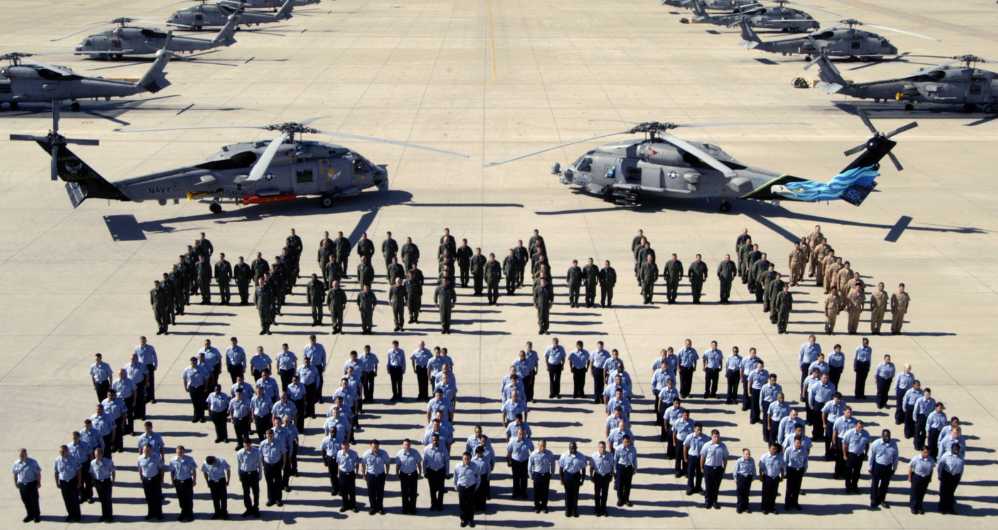

FRSFleet Replacement Squadron is an extremely important part of the U.S. Navy and Marine Corps aviation flight training system. FRS is equipped with the same aircraft models as the combat units, providing initial combat aircraft model training for new pilots who have completed training on trainer aircraft, and also providing training support for pilots who have obtained combat aircraft model qualifications to restore the original model and modify the new model.
FRS training usually only takes a few months to 1 year, but its status is very important. This level of training not only realizes the transformation from "students" to "combatants", but also enables combat troops to no longer have to undertake low-level skill training tasks, and limited training resources can be further focused on the "high end" of combat effectiveness.
So far, the U.S. Navy and Marine Corps have basically set up at least one FRS for each aircraft type. The Navy has a total of 11 active FRSs and the Marine Corps has 6. The only exception is the Marine Corps’ AV8B, because according to relevant plans, this model has begun to be gradually retired and no new pilots are required for it. Therefore, VMAT-203, which was originally responsible for the "Harrier" FRS training, was disbanded in December 2021.
"Gladiator" Strike Fighter Squadron 106
The Strike Fighter Squadron 106 (VFA-106) is affiliated with the Atlantic Strike Fighter Wing and is stationed at the Oceana Naval Air Station in Virginia. It is a supplementary squadron for the US Navy’s F/A-18EF carrier-based fighters. It is mainly aimed at the same type of combat units in the Atlantic direction. Its main task is to train F/A-18E/F pilots and flight officers of the Navy and Marine Corps. At the same time, with the support of the Naval Aviation Technical Training Center, it also carries out ground maintenance personnel training.
VFA-106’s predecessor can be traced back to the 17th Fighter-Bomber Squadron (VBF-17) formed on January 2, 1945. After its formation, the squadron used the numbers VF-6BVF-62 and other numbers. On July 1, 1955, it was redesignated as VA-106, but was disbanded on November 7, 1969. On April 27, 1984, the U.S. Navy established the VFA-106 squadron at Cecil Field Air Station, continuing to use the "106" number and the nickname "Gladiator" and the squadron emblem (although the official did not recognize this inheritance relationship) to equip F/A-18AB fighters, and began to undertake FRS missions on October 7 of the following year. In October and December 1987, VFA-106 first obtained F/A-18C and F/A-18D. After the U.S. Navy adjusted its base in 1999, VFA-106 moved to Oceana. In 2004, the squadron was converted to F/A-18E/F. At present, according to the needs of each combat squadron to supplement the flight personnel, VFA-106 has opened a 9-month FRS flight training course, usually opening a new class every 6 weeks, training 8 to 12 pilots and flight officers, and training more than 100 people throughout the year.
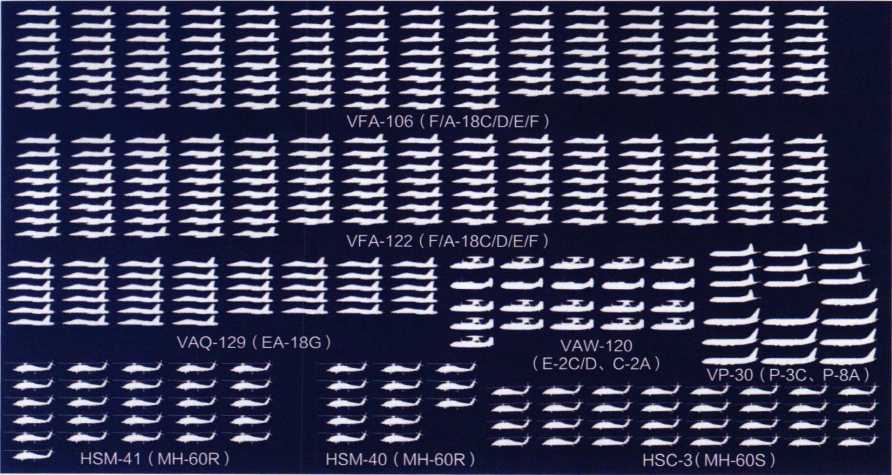
Although VFA-106 is organized at the "squadron" level, including foreign instructors and trainees, the squadron has more than 1,200 people all year round, with more than 90 F/A-18C/D/EFF aircraft, which is much larger than the squadron of combat forces (the standard organization of the F/A-18E squadron is 12 aircraft, 19 pilots and several ground crew). In addition to Oceana Air Station, VFA-106 has some aircraft and personnel stationed at Key West Naval Air Station in Florida to relieve the training pressure in the "home" area. Fallon Air Station, where the "Navy Fighter Weapons School" (TOP GUN) is stationed, is also one of the bases where VFA-106 often conducts training.
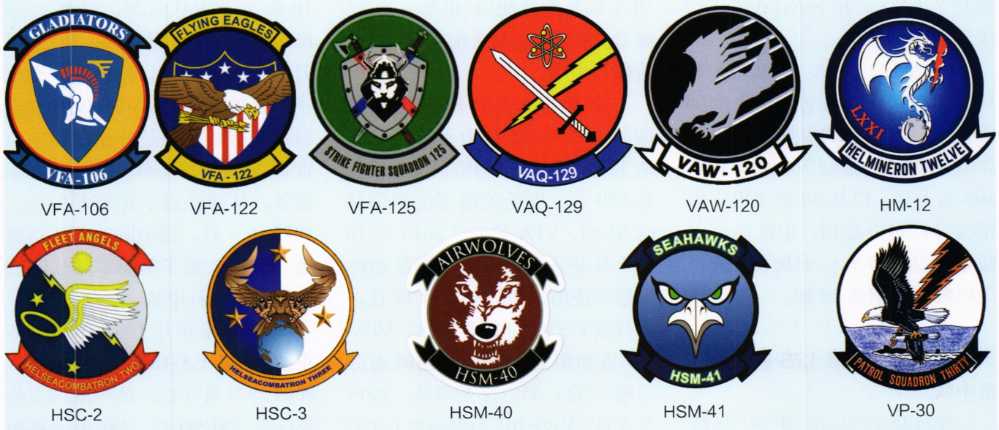
"Flying Eagles" Strike Fighter Squadron 122
VFA-122 is a member of the Pacific Strike Fighter Wing, based at the Lemoore Naval Air Station in California, and is responsible for the FRS mission of the Super Hornet Squadron in the Pacific.
VFA-122’s history can be traced back to the 35th Composite Squadron (VC-35) formed on May 25, 1950. It was equipped with AD-2/3/4 Skyraider attack aircraft and TBM3E/N Avenger anti-submarine aircraft. It was reorganized into the 35th All-Weather Attack Squadron on July 1, 1956. On June 29, 1959, the squadron began to undertake the training of AD-6/AD-7 series pilots and maintenance personnel, and the number was changed to the 122nd Attack Squadron (VA-122). Later, in November 1966, it was equipped with A-7 attack aircraft. In December 1969, VA122 and VA-125 cooperated to open the "Light Attack Aircraft Weapons School" to provide A-7 pilots with a 3-week tactical training course. This teaching activity was highly recognized by the US Navy’s senior management and combat forces. The squadron’s "Weapons Training Center" was separated on October 15, 1973 to establish the "Pacific Fleet Light Attack Aircraft Weapons School". By the time VA-122 was disbanded in May 1991, it had trained more than 5,000 attack aircraft pilots and 55,000 ground maintenance personnel in the 32 years of flight teaching.
In January 1999, the U.S. Navy reorganized VFA-122, which became the first flight squadron equipped with F/A-18E. On October 1, 2010, the original VFA-125 (equipped with F/A-18CD) was incorporated into the squadron, which greatly increased the number of manpower and equipment, and improved the training capacity. By February 2016, all the Hornets of VFA-122 were retired, and the teaching and training tasks were completely carried out by F/A-18EF "Super Hornet".
The teaching curriculum of VFA-122 is the same as that of VFA-106. In order to support the huge amount of training tasks, the scale of the squadron is also much larger than that of the combat squadron, with a total of 100 officers, 500 soldiers, and 50 aircraft. But according to the latest available data, the squadron has 225 officers, 408 soldiers, and more than 80 lead aircraft
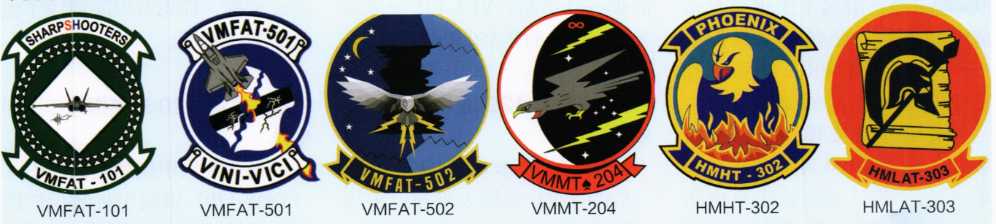
"Rough Raiders" Strike Fighter Squadron 125
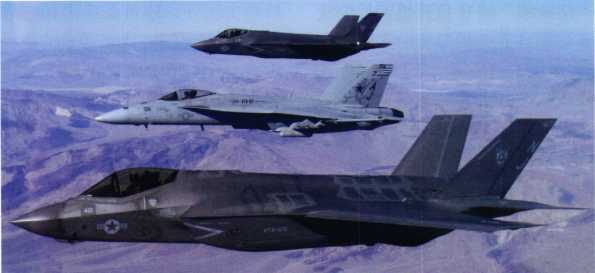
The Strike Fighter Squadron 125 (VFA-125) is affiliated with the Pacific Strike Fighter Wing and is the only F-35C FRS of the U.S. Navy. It is stationed at the Lemoore Naval Air Station in California. The first squadron in the U.S. Navy to use the nickname "Rough Raiders" can be traced back to the 55th Reserve Attack Squadron (VA-55E) formed in 1946. The nickname began to be used in 1952, and it was reorganized into the 125th Attack Squadron (VA125) on February 4, 1953. On April 10, 1958, the VA-125 squadron was disbanded, and the number and nickname were given to the 26th Attack Squadron (VA-26) the next day, which then produced the second VA-125 squadron of the U.S. Navy. This squadron was disbanded again on October 1, 1977. Three years later, on November 3, 1980, the U.S. Navy re-established VFA-125, continuing to use the nickname "Rough Raiders". The squadron is also the first "Hornet" squadron of the U.S. Navy.
During the FRS mission of the F/A-18, VFA-125 averaged 1,500 hours of flight time per month and trained 120 pilots per year. However, affected by the organizational adjustments of the U.S. Navy, VFA-125 was merged into VFA-122 on October 1, 2010, and the number and nickname were suspended. On January 12, 2017, in order to carry out the FRS work of the F-35C, VFA-125 was re-established and became the only F-35C supplementary squadron on the West Coast at that time. In May 2019, after VFA-101 no longer undertook the training mission of the F-35C, VFA-125 became the only F-35C in the U.S. Navy. Supplementary squadron.
"Viking" 129th Tactical Electronic Attack Squadron
The 129th Tactical Electronic Attack Squadron (VAQ-129) is affiliated with the Pacific Electronic Attack Wing Command and is stationed at Whidbey Island Naval Air Station on Puget Island, Washington. It is mainly responsible for the FRS mission of EA-18G electronic warfare pilots and flight officers, and also provides teaching support for combat squadrons, and takes into account the electronic warfare training needs of the US Air Force.
VAQ-129’s predecessor is The 10th Heavy Attack Squadron (VAH-10) was formed on May 1, 1961, and was equipped with A-3 attack aircraft. During the Vietnam War, the squadron dispatched a detachment of four aircraft to the USS Ticonderoga, USS Constellation, USS Forrestal and other aircraft carriers to participate in the war. Since the A-3B heavy attack aircraft, which was mainly capable of nuclear strikes against the Soviet Union, could not play its role in the Vietnam battlefield and its combat effectiveness was lower than that of the A-4, A-7 and other models, VAH-10 was replaced with KA-3B tankers from July 1967, responsible for providing refueling services for the aircraft groups performing attack missions and no longer charged into battle.
On July 1, 1970, VAH-10 was reorganized into VAQ-129, ready to be replaced with EA-6B electronic attack aircraft, and received the first batch of new aircraft in January of the following year. In order to quickly expand the scale of electronic fighters, VAQ-129 did not return to the Vietnam battlefield, but began to take charge of the training tasks of other EA-6B squadrons of the Navy in China, thus starting its FRS career. In March 1977, the squadron’s service objects were further expanded to the electronic warfare flight squadron of the US Marine Corps.
On June 3, 2008, VAQ-129 was officially replaced with EA-18G electronic warfare aircraft. On August 5, 2009, the squadron’s EA18G completed its first landing on the "Truman" aircraft carrier, marking the formation of a complete FRS capability of the squadron.
"Gray Eagle" 120th Air Command and Control Squadron
The 120th Air Command and Control Squadron (VAW-120) is affiliated with the Airborne Command, Control and Logistics Wing, stationed at the Norfolk Naval Air Station in Virginia, responsible for the FRS mission of all E-2C/D early warning aircraft and C-2 transport aircraft of the US Navy.
The predecessor of VAW-120 was the 2nd Early Warning Squadron (VAW-2) established on July 6, 1948, equipped with TBM, AF, AD-5W and other models. In 1956, the squadron number was changed to the 12th Early Warning Squadron (VAW-12), and it was equipped with E-1B early warning aircraft in 1961, and then it received the first E-2A early warning aircraft in July 1966. On April 1, 1967, the squadron was disbanded, and the three squadrons under its jurisdiction were expanded into VAW-121, VAW-122 and VAW-123 early warning squadrons, and incorporated into the newly formed 12th Early Warning Wing. On July 1 of the same year, in order to carry out supplementary training for carrier-based early warning aircraft, the 120th Squadron of the Supplementary Aviation Brigade (RVAW-120) was formed using some personnel and equipment of the original VAW-12, and took on the supplementary training mission of the 12th Early Warning Wing. In 1983, RVAW-120 was officially renamed VAW-120. In June 1985, VAW120 was first equipped with C-2A transport aircraft in the US Navy. After VAW-110 was disbanded in 1994, VAW-120 became the only supplementary training squadron for early warning aircraft in the US Navy.
On January 1, 2020, the official name of VAW-120 was adjusted to the 120th Air Command and Control Squadron, but the letter number representing the squadron type was not changed.
"Sea Dragon" 12th Minesweeping Helicopter Squadron
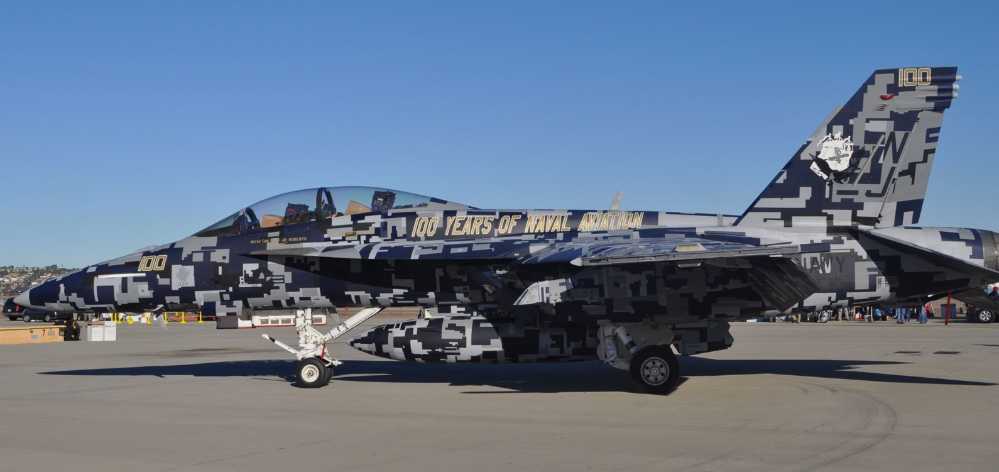
The 12th Minesweeping Helicopter Squadron (HM-12) is affiliated with the Atlantic Helicopter Naval Combat Wing: stationed at the Norfolk Naval Base in Virginia, responsible for the FRS mission of the MH-53E minesweeping helicopter.
HM-12 was formerly the 53rd Detachment of the 6th Helicopter Combat Support Squadron (HC-6), which was officially established on April 1, 1971. For a long period of time, it was the only minesweeping helicopter unit of the US Navy and participated in many overseas minesweeping operations. In May and October 1978, two detachments of HM-12 were separated to form new HM-14 and HM-16. HM-12 itself relied on the remaining forces to begin to undertake FRS tasks, and also served as the US Navy’s "Airborne Mine Countermeasures Weapon System Training School"
In February 1981, HM-12 became the first unit of the US Navy equipped with CH-53E helicopters. From the time the new aircraft was installed to 1987, HM-12, in addition to performing FRS tasks, also undertook the maritime vertical supply mission from the east coast of the United States to the Caribbean. On May 28, 1987, HM-12 began to replace the MH53E minesweeping helicopter, and the squadron’s core mission returned to FRS again.
HM-12 was disbanded on September 30, 1994. During its FRS mission, it trained 768 pilots, 1,200 crew members, and 11,900 maintenance personnel. Unlike other squadrons, which were directly retired or transferred after their disbandment, the "Airborne Mine Countermeasures Weapon System Training School" was retained and continued to undertake ground teaching tasks, while the flight teaching tasks were successively undertaken by the Marine Corps’ 302nd Heavy Helicopter Training Squadron (HMHT-302) and the 14th Minesweeping Helicopter Squadron (HM-14).
HM-12 was reorganized in Norfolk on October 1, 2015, and continued to undertake FRS missions.
“Fleet Angels” Helicopter Combat Squadron 2
Helicopter Combat Squadron 2 (HSC2) is affiliated with the Atlantic Helicopter Combat Wing stationed at the Norfolk Naval Base in Virginia, and is responsible for the FRS mission of the MH-60S helicopter unit on the east coast of the United States.
The history of HSC-2 can be traced back to the Helicopter Application Squadron 2 (HU-2) established on April 1, 1948, which is one of the two earliest helicopter squadrons of the US Navy. In July 1965, HU-2 was reorganized into the Helicopter Combat Support Squadron 2 (HC-2), which is mainly responsible for battlefield medical evacuation and maritime search and rescue missions. Before it was disbanded on September 30, 1977 due to military budget issues, HC-2 completed a total of 2,318 rescue missions.
On April 1, 1987, the U.S. Navy transferred personnel and equipment from three squadrons, including HM-12, HC-6, and HS-1, to reorganize HC-2, using UH-3H, UH-3H(ET)MH-53E helicopters to provide support to the 2nd Fleet, Atlantic Strike Force Command and other units, and maintained two detachments stationed overseas for a long time. After the outbreak of the Gulf War, HC-2 participated in Operation Desert Shield and Operation Desert Storm.
In January 1997, the 1st Helicopter Combat Support Squadron (HC-1), which originally undertook the FRS mission of the H-3 helicopter, was disbanded, and the mission was transferred to HC-2. In January 2006, the Sea King helicopter was retired from the U.S. Navy and its mission was inherited by the MH-60S. While replacing the new aircraft, the HC-2 was also renamed HSC-2, and continued to provide FRS support for the MH-60S troops on the East Coast.
"Grayback Falcon" Helicopter Sea Combat Squadron 3
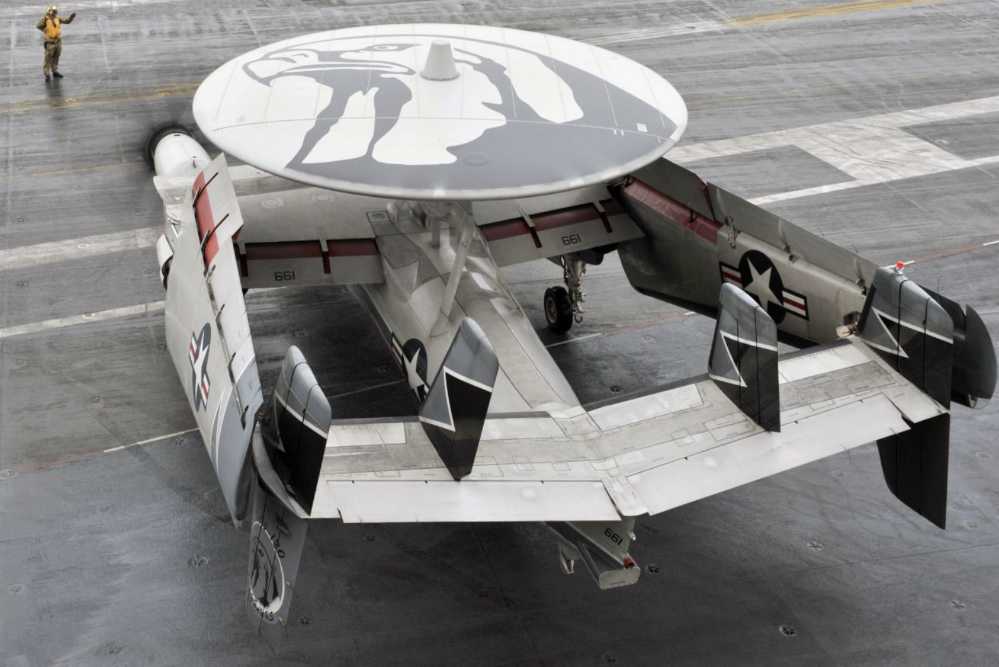
Helicopter Sea Combat Squadron 3 (HSC3) is affiliated with the US Navy Pacific Helicopter Sea Combat Wing, stationed at North Island Air Station in California, and undertakes the FRS mission of the MH-60S helicopter unit on the west coast of the United States.
HSC-3 was originally the 3rd Helicopter Combat Support Squadron (HC-3) formed on September 1, 1967, which was the only CH-46 vertical supply squadron of the US Navy at that time. By 1982, HC-3 was adjusted to the "Fleet Supply Squadron". In addition to continuing to provide logistical support for ships at sea, it was also responsible for tasks such as tactical and emergency procedure development. In particular, providing FRS support for all CH-46 squadrons became HC-3’s top priority.
At the end of the FRS training of CH-46 pilots, HC-3 had already begun MH-60S training attempts and completed the first batch of MH-60S pilot training on April 26, 2002. In September of the same year, the CH-46 training mission was officially terminated. On April 1, 2005, HC-3’s number was adjusted to HSC-3. In 2012, after the disbandment of the HS-10 squadron, all personnel and equipment were incorporated into HSC-3, which also increased the number of personnel in the squadron to 800 and the number of helicopters to 32, making it the largest helicopter squadron in the US Navy.
Currently, in addition to providing teaching services for flight and ground crew, HSC-3 is also responsible for training helicopter control officers and helicopter landing signal officers for the command center and surface ships of the Pacific Fleet. It also serves as the search and rescue aircraft model manager of the US Navy Secretary, responsible for developing naval search and rescue training needs and related equipment development needs. Providing NATOPS (Navy Aviation Training and Operations Standardization) support for the MH-60S force is also one of the important tasks of HSC-3.
"Airwolf" 40th Helicopter Maritime Strike Squadron
The 40th Helicopter Maritime Strike Squadron (HSM-40) is affiliated with the Atlantic Helicopter Maritime Strike Wing, stationed at Mayport Air Station in Florida, and is one of the two MH-60R helicopter FRS squadrons of the US Navy.
HSM-40 was formerly known as the 40th Light Anti-Submarine Helicopter Squadron (HSL-40), which was established on October 4, 1985. It was one of the first squadrons of the US Navy equipped with SH-60B LAMPS Mk Ⅲ anti-submarine helicopters. The squadron has been responsible for FRS missions on the east coast of the United States since its establishment, and is the youngest unit among all FRS squadrons of the US Navy. The training courses offered by the squadron focus on anti-submarine warfare, while also taking into account anti-surface warfare, medical evacuation, fire support, search and rescue, and vertical supply.
On November 1, 2009, HSL-40 was renamed HSM-40 and began to be modified into MH-60R helicopters. Currently, there are 16 MH-60Rs equipped, the squadron has a personnel number of about 300 people, and can train about 100 flight and crew personnel per year.
"Sea Hawk" 41st Helicopter Maritime Strike Squadron
The 41st Helicopter Maritime Strike Squadron (HSM-41) is affiliated with the Pacific Helicopter Maritime Strike Wing, stationed at North Island Air Station in California, responsible for the FRS mission of the MH-60R flight squadron on the west coast of the United States. HSM-41 was established on January 21, 1983. Its original name was the 41st Light Anti-Submarine Helicopter Squadron (HSL-41). It was the first squadron of the US Navy to be equipped with SH-60B LAMPSMk Ⅲ. On December 8, 2006, the squadron was renamed HSM-41. The mission positioning of HSM-41 is consistent with that of HSM-40.
“Experts’ Nest” Patrol Squadron 30
Patrol Squadron 30 (VP-30) is affiliated with the Patrol and Reconnaissance Group and is stationed at the Jacksonville Naval Air Station in Florida. It is responsible for the FRS mission of P-8A, P-3C and MO-40 units.
VP-30 was established on June 30, 1960. At the beginning of its establishment, it was responsible for the training of new pilots for the Atlantic Fleet’s maritime patrol aircraft. It is the oldest FRS unit among the existing supplementary squadrons of the US Navy. When the squadron was established, there were 40 officers and 271 soldiers, equipped with 5 P5M-2 seaplanes, 8 P2V-5Fs, and 6 P2V-7 maritime patrol aircraft. On June 1, 1962, VP-30 formed the "Alpha Squadron" (the second "Alpha Squadron" in the squadron’s history) at Patuxent River Air Station in Maryland and began to modify the P3V-1 (after September 1962, the number was P-3A) anti-submarine patrol aircraft. On October 21, 1962, in response to the Cuban Missile Crisis, VP-30 began to undertake combat missions and provide anti-submarine support for the 44th Task Force. In March 1963, it was re-transferred to a training unit and replaced with P-3B the following year. In June 1969, VP-30 began to perform the FRS mission of P-30. The following year, on the basis of carrying out flight personnel training, it also added training courses for professional maintenance soldiers, with 10 classes opened each year.
In 1982, VP-30 stopped most of the P-3A/B training courses and concentrated its main resources on P-3C training. By 1983, the number of aircraft used for training in the squadron reached 24, and the number of personnel reached a new high of 700. In October 1993, VP-31, which was also responsible for the FRS of maritime patrol aircraft, was disbanded, and VP-30 became the only FRS of this type of aircraft.
In 1998, VP-30 formed the P-3C "Weapons and Tactics Unit" (WTU) and began to undertake the higher-level "tactical instructor" training in addition to the training mission of new pilots. In 2002, VP-30 completed the first batch of "Fleet Air Reconnaissance Squadron Flight Officer" training on EP-3E, and started the Fleet Instructor Training Course in 2003.
So far, VP-30 has been equipped with 10 P-3C and P-8A aircraft, with a staff of more than 650 people and an annual training scale of more than 800 people (officers and soldiers). Compared with other FRS, VP-30 has expanded a series of advanced training courses on the basis of new flight personnel training tasks, so its functions are wider, and its captain’s rank is positioned as colonel, which is higher than the lieutenant colonel rank of other FRS squadron captains.
"Sharpshooter" No. 101 Combat Attack Training Squadron
The 101st Combat Attack Training Squadron (VMFAT-101) is affiliated with the 11th Aviation Group of the 3rd Marine Aircraft Wing and is stationed at Miramar Marine Corps Air Station in California. It is responsible for the FRS mission of the Marine Corps F/A-18C/D Squadron.
VMFAT-101 was established on January 3, 1969 at El Toro Marine Corps Air Station. It is affiliated with the 10th Combat Readiness Training Group of the 3rd Marine Aircraft Wing and is responsible for training F-4 fighter pilots and flight officers. The first class training was completed in August 1969, and the following year it was transferred to Yuma Air Station in Arizona. In July 1974, VMFAT-101 received most of the equipment and personnel of the disbanded VMFAT-201, becoming the largest fixed-wing fighter tactical training unit in the Marine Corps.
In 1987, after VMFAT-101 completed the last F-4 training class, it began to switch to F/A-18 on September 29 of the same year, and completed the training of 25 flight instructors using 21 aircraft. On March 31, 1988, the 10th Combat Readiness Training Group was disbanded and VMFAT-101 was transferred to the 11th Aviation Group. In May 1989, the squadron completed the first F/A-18 training class, training a total of 23 new pilots.
In order to speed up the training of new pilots, VMFAT-101 is equipped with 36 aircraft, and each class can train 40 new pilots. With the retirement of the Marine Corps A-6 attack aircraft, VMFAT-101 began to use F/A-18D to train the Marine Corps’ flight officers (rear cabin). In addition, the squadron is also responsible for the training of ground maintenance personnel.
Compared to the FRS training course of the Navy F/A-18, the pilots of the same type of the Marine Corps undertook more complex land attack missions, so the training period was longer, reaching about 11 months. The entire training course was divided into four stages: modification, air-to-ground, air-to-air and aircraft carrier qualification certification. Among them, air-to-ground training lasted the longest and a large number of live-fire training were conducted.
"Warlord" 501st Combat Attack Training Squadron
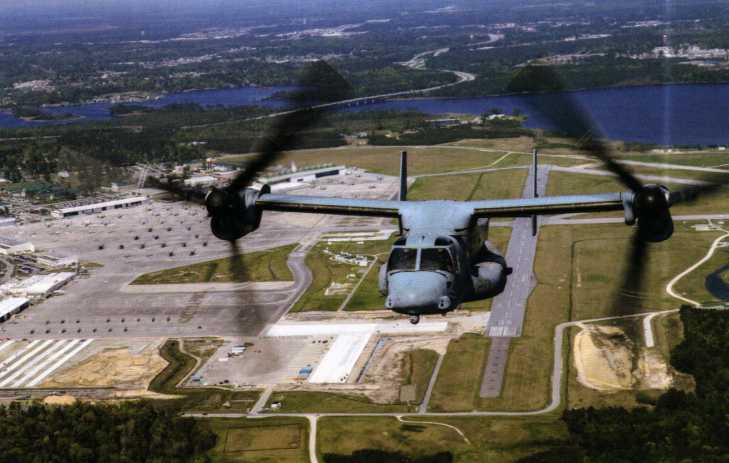
The 501st Combat Attack Training Squadron (VMFAT-501) is affiliated with the 31st Aviation Group, 2nd Marine Aircraft Wing, stationed at Marine Corps Air Station Bayford, South Carolina, and is responsible for the FRS mission of the Marine Corps F-35B Squadron.
VMFAT-501’s predecessor was the 451st Marine Fighter Squadron (VMF-451) formed on February 15, 1944. The squadron was originally a land-based training unit of the Marine Corps, equipped with F4U-1D fighters. On January 24, 1945, VMF-451 boarded the aircraft carrier "Bunker Hill" to participate in the war against Japan, and achieved a good record in the battle, confirming the shooting down of 34 Japanese aircraft. During the Korean War, VMF-451 was used as a reserve force and was modified with F9F-2 jet fighters on March 1, 1951. It was deployed to Kaneohe Bay Naval Air Station in Hawaii but ultimately failed to participate in the war.
After the F9F-2, VMF-451 was equipped with more advanced FJ-2, FJ-4 and F8U-2 models. After obtaining the F8U-2N with all-weather combat capability, the squadron’s name was adjusted to the 451st Marine All-Weather Fighter Squadron. On February 1, 1968, the squadron began to receive F-4J fighters, and the name was adjusted again to the 451st Marine Fighter Attack Squadron (VMFA-451). In September 1987, the F/A-18 began to replace the F-4J.
On August 23, 1990, VMFA-451 deployed to Bahrain to participate in Operation Desert Shield and Operation Desert Storm, completing 770 combat sorties and a total flight time of more than 1,400 hours.
On April 1, 2010, in order to receive the upcoming F-35B, VMFA-451 was reorganized into VMFAT-501, with the mission positioning as the FRS of the F-35B. The squadron then went to Eglin Air Force Base of the US Air Force to conduct F-35B training under the guidance of the 33rd Fighter Wing of the Air Force.
To date, VMFAT-501 is equipped with 28 F-35Bs, providing 15 training courses for new pilots and 12 months of FRS training.
"Flying Nightmare" 502nd Combat Attack Training Squadron
The history of the 502nd Combat Attack Training Squadron (VMFAT-502) can be traced back to the 513th Attack Training Squadron (VMA-513) established in North Carolina on February 15, 1944, equipped with F6F fighters. In the same year, the squadron was transferred to Walnut Ridge Base in Arkansas and Mojave Air Station in California, and was renamed VMF-513.
During World War II, VMF-513 participated in air support missions for the 3rd Marine Division of the United States on the Okinawa front. During the Korean War, the squadron was renamed VME(N)-513 (N stands for night operations). On August 1, 1963, the squadron was renamed VMFA-513.
Since 1970, the squadron has been equipped with AV-8A fighters, and the name has changed back to VMA-513: in 1987, it began to receive AV8B. VMA513 also appeared in the Gulf War, mainly performing support missions for the 15th Marine Expeditionary Unit, with a total of 103 take-offs and landings. The squadron was also active on the battlefields of Afghanistan and Iraq. However, as the training mission of AV-8B was reduced, VMA-513 was officially withdrawn on July 12, 2013, 69 years after its establishment.
But the story is not over yet. On June 26, 2020, the VMA-513 Squadron was "unsealed" again with the number VMFAT-502 to become the second F-35B FRS of the US Marine Corps.
"Raptor" 204th Medium Tilt-Rotor Training Squadron
The 204th Medium Tilt-Rotor Training Squadron (VMMT-204) is affiliated with the 26th Aviation Group of the 2nd Marine Aviation Wing: stationed at the New River Marine Corps Air Station in North Carolina, responsible for the FRS mission of the Marine Corps MV-22 Squadron and the Navy CV-22 Squadron.
VMMT-204 was originally the Marine Corps’ 204th Medium Helicopter Training Squadron (HMT204), which was formed on May 1, 1972 by merging the 402nd Medium Helicopter Training Squadron and the 401st Heavy Helicopter Training Squadron. It was responsible for the training of CH-46 and CH-53 helicopter pilots. In June 1988, the squadron’s CH-53 training mission was transferred to HMT302, and HMT-204 was specifically responsible for CH-46. In October 1993, after HMT-301 was disbanded, HMT-204 became the Marine Corps’ only CH-46E training unit. In the more than 20 years that the squadron has been responsible for training, it has completed the training of more than 1,800 aircrew, 275 flight instructors and 450 pilots, and also completed the vertical take-off and landing training courses for more than 100 AV-8B pilots.
In February 1999, the Marine Corps handed over the FRS mission of CH46E to HMM-164 Squadron, and HMT-204 began to prepare for the installation of MV-22. The squadron number was also adjusted to VMMT-204 on June 10 of the same year. On March 12, 2000, VMMT-204 received the first MV-22 and immediately began to organize flight training. However, after the crash in December of that year, the MV-22 was grounded for a long time until October 7, 2005, when VMMT-204 resumed training.
So far, VMMT-204 mainly uses MV-22B to perform training tasks. Trainees who have only received training on trainer aircraft need to complete a 100-hour training outline, while trainees with experience in flying other combat aircraft usually have the ability to fly MV-22 after 70 hours of flight.
"Phoenix" 302nd Heavy Helicopter Training Squadron
The 302nd Heavy Helicopter Training Squadron (HMHT-302) is affiliated with the 29th Aviation Group of the 2nd Marine Aviation Wing, stationed at the Marine Corps Air Station New River, North Carolina, and is responsible for the FRS mission of the Marine Corps CH-53E Squadron. HMHT-302 was originally the 302nd Medium Helicopter Training Squadron (HMMT-302) of the Marine Corps responsible for medium helicopter training. It was established on November 1, 1966 and is affiliated with the 30th Helicopter Training Group of the 3rd Marine Aviation Wing, responsible for the training of CH-46 pilots. On March 31, 1972, the squadron merged with the 301st Heavy Helicopter Training Squadron (HMHT-301) to form the 301st Marine Helicopter Training Squadron (HMT-301), which was responsible for the training of both CH-53A and CH-46F and was affiliated with the 16th Aviation Group. From December 1983, HMT-301 began to undertake the training mission of CH-53E flight personnel and maintenance personnel. On November 20, 1987, the Marine Corps disbanded HMT-301 and reorganized HMT302. The newly formed HMT-302 no longer undertook the training mission of CH-46 (the mission was transferred to the newly formed HMT-301), and was specifically responsible for the training mission of CH-53A/E. In 1991, the training mission of CH-53D was added. In February 1996, HMT-302 was transferred to the 29th Aviation Group. In the summer of 2010, HMT-302 was renamed HMHT-302.
Atlas 303rd Light Attack Helicopter Training Squadron
The 303rd Light Attack Helicopter Training Squadron (HMLAT-303) is affiliated with the 39th Aviation Group, 3rd Marine Aviation Wing, and is stationed at Marine Corps Camp Pendleton, California. It is responsible for the FRS mission of the Marine Corps AH-1Z and UH-1Y squadrons.
HMLAT-303 was established on April 30, 1982. It was originally designated as HMT303 and was responsible for AH-1W and UH-1N pilot training. In 2005, it was redesignated as HMLAT-303. It is currently equipped with 45 AH-1Z and UH-1Y aircraft, with a squadron of more than 400 personnel. In addition to the FRS mission, HMLAT-303 also opened the 39th Aviation Group’s Instrument Flying Training School, providing training support for the group’s squadrons. To date, HMLAT-303 has trained more than 3,000 helicopter pilots for the Marine Corps and NATO countries.