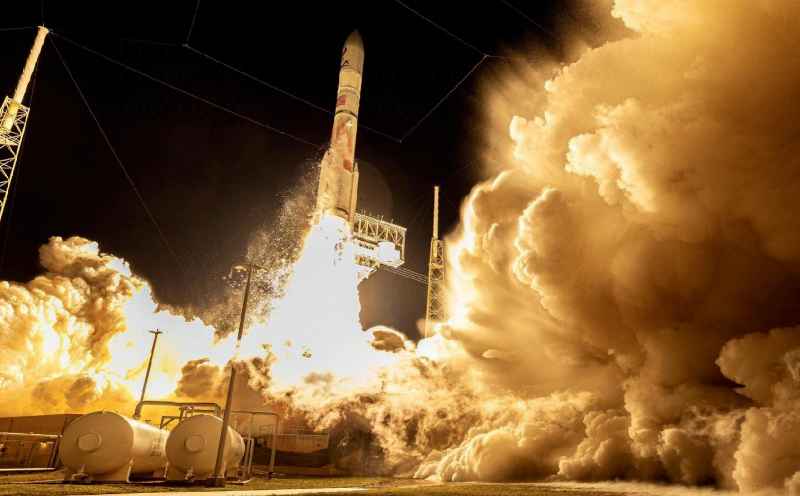

On January 8, 2024, the Vulcan rocket developed by the United Launch Alliance (ULA) of the United States lifted off from the LC-41 launch pad at Cape Canaveral to carry out a test mission codenamed "Certification-1" and send the Yuji lunar lander into the Earth-Moon transfer orbit. After years of delay, the Vulcan rocket finally made its maiden flight.
New rockets forced out under pressure
As a joint venture between Boeing and Lockheed Martin, ULA has undertaken more than 70% of the launch missions of the US government and military since its establishment in 2006. At present, the company has two main configurations of launch vehicle series, namely Boeing’s Delta 4 series and Lockheed Martin’s Atlas 5 series. However, as a giant in the field of space launch, ULA has been under dual pressure and influence from commercial competitors and international political situations and policy changes in recent years. On the one hand, the rise of private launch companies such as Space Exploration Technologies Corporation of the United States has posed a challenge to ULA. Space Exploration Technologies Corporation has been focusing on promoting the relatively low-priced Falcon 9 rocket. It has not only actively seized the market in the fields of space station cargo, commercial satellite launch, and manned space flight, but also actively coordinated with users such as the US Air Force, and finally passed the US Air Force launch mission qualification certification, and won the more profitable US national security launch mission, which has always been the basic plate of ULA.
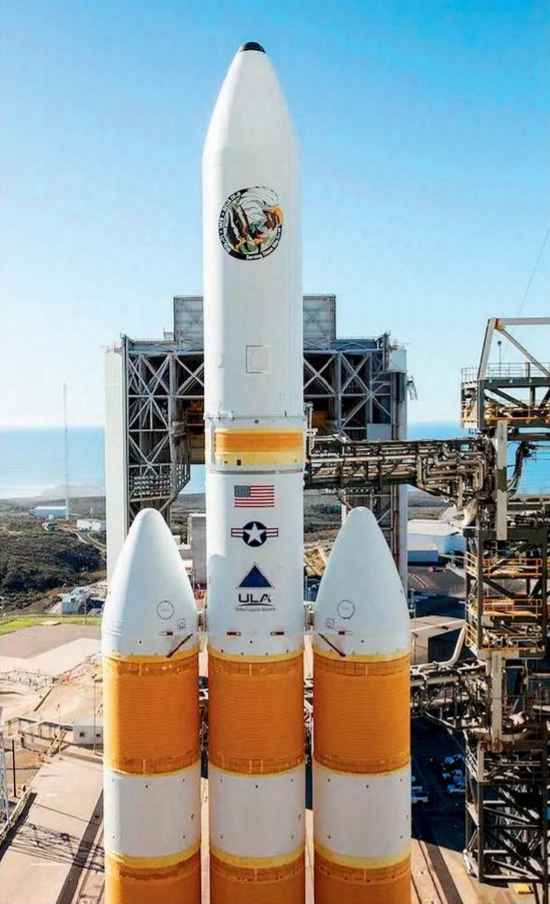
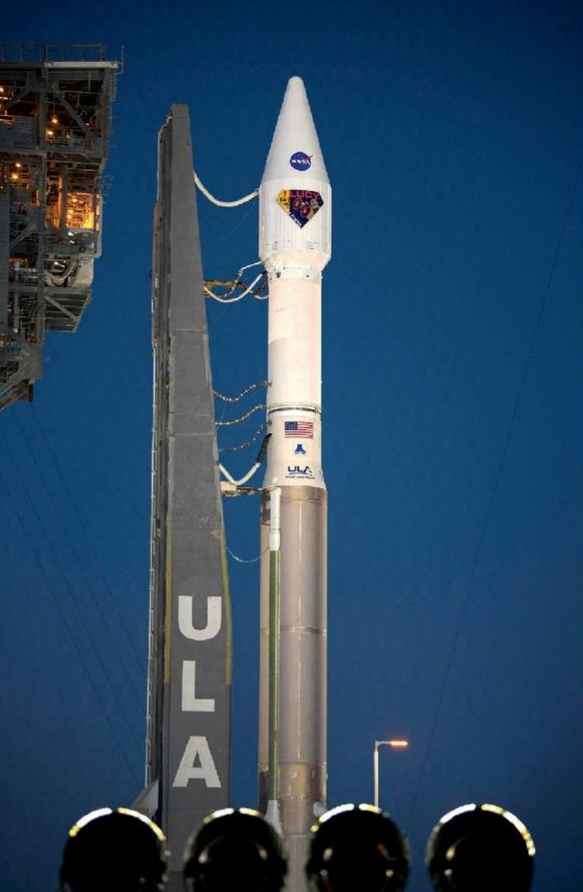
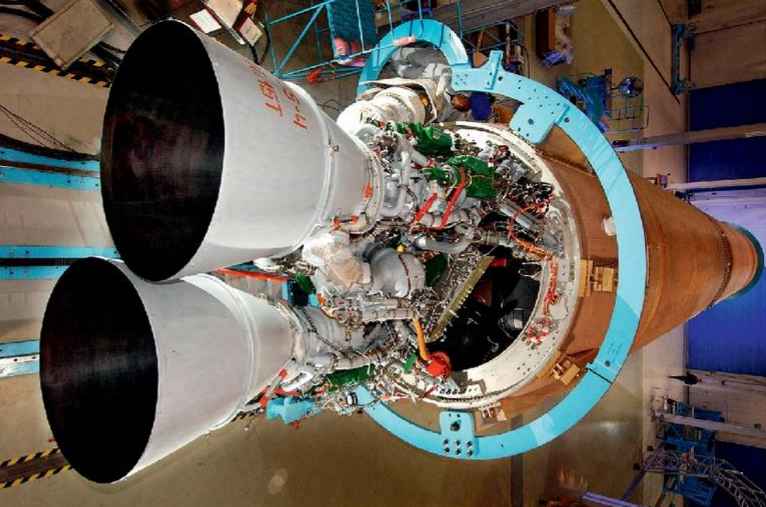
On the other hand, due to the crisis in eastern Ukraine and the conflict between Russia and Ukraine in recent years, the US-Russia relations have deteriorated sharply. The US government is increasingly worried that the unstable supply of the Russian-made RD-180 engine, the main power of the first stage of the "Atlas" 5 rocket, will affect the launch mission of important US military satellites. Therefore, the US Congress requires ULA to replace the Russian-made RD-180 engine of the Atlas 5 rocket with a domestic engine before 2019. This also makes the company’s existing main launch vehicle "Atlas 5" face the problem of subsequent development, and it must consider engine replacement or develop a new generation of launch vehicles.
Against the above background, in early 2014, ULA issued a request for comments to the entire US aerospace industry on replacing the RD-180 engine of the Atlas 5 rocket. ULA signed a contract with several companies to study the alternatives to the RD-180 engine and demonstrate the feasibility of developing new rocket engines. In March 2015, ULA announced that it would develop the "Next Generation Launch System (NGLS)" to gradually replace the company’s existing "Improved Expendable Launch Vehicle" program, as well as the "Delta 4" series and the "Atlas 5" series of rockets. Subsequently, at the 31st Annual Space Conference in the United States on April 13, 2016, ULA officially announced that the NGLS rocket was named "Vulcan"
The bumpy road of "Vulcan"
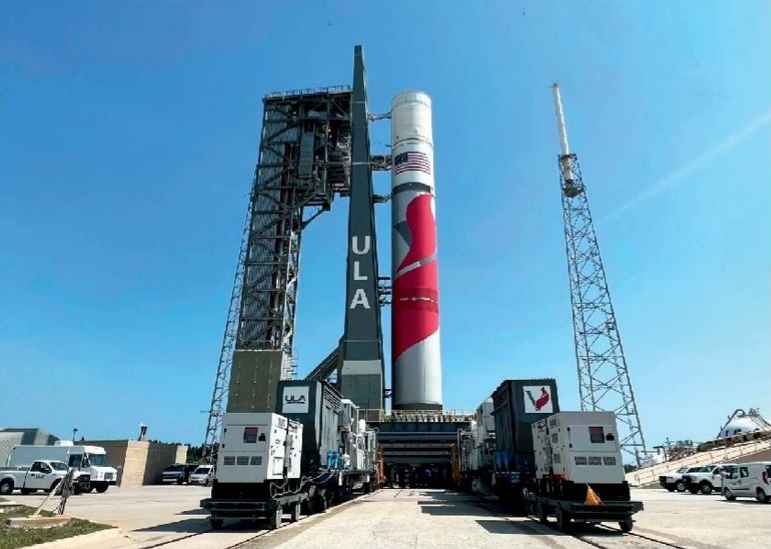
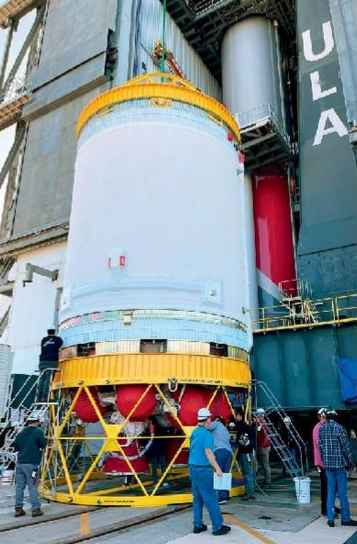
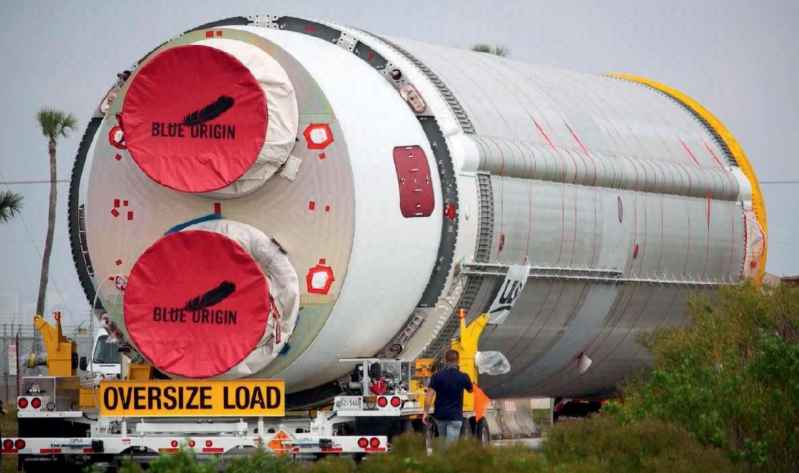
The full name of the Vulcan rocket is Vulcan-Centaur launch vehicle, which is a large two-stage or two-and-a-half-stage launch vehicle. The main body of the rocket is composed of the core first stage and the core second stage, and 2, 4, or 6 solid boosters can be optionally equipped. The core first stage has a diameter of 5.4 meters and is equipped with two BE-4 liquid oxygen-methane engines developed by Blue Origin. The engine uses an oxygen-rich cycle, with a sea level thrust of 249.5 tons and a sea level specific impulse of 310 seconds. The core second stage (Centaur upper stage) has a diameter of 5.4 meters and is equipped with two RL10C(X) hydrogen-oxygen engines developed by Rocketdyne. The engine uses 3D-printed main injectors and main combustion chambers, and is equipped with an integral lightweight composite nozzle with a diameter of 2.4 meters. It uses an expansion cycle, a vacuum thrust of 10 tons, a vacuum specific impulse of 461 seconds, and can be restarted 7 times. The booster is a GEM-63XL solid booster developed by Northrop Grumman, using a graphite epoxy composite rocket body, with a diameter of 1.62 meters, a total length of 21.98 meters, a maximum thrust of 210.13 tons, and a specific impulse of 280.3 seconds.
The maximum height of the Vulcan rocket is about 67.4 meters, and the maximum takeoff mass is about 759 tons. It can be equipped with a standard short fairing with a diameter of 5.4 meters and a height of 15.5 meters and a long fairing with a diameter of 5.4 meters and a height of 21.3 meters. Its maximum capacity for low-Earth orbit is 25.6 tons, the maximum capacity for geosynchronous transfer orbit is 14.4 tons, the maximum capacity for Earth-Moon transfer orbit is 11.3 tons, and the maximum capacity for Earth-Mars transfer orbit is 7.6 tons.
In order to reduce launch costs, the Vulcan rocket uses the Sensitive Module Autonomous Return Technology (SMART). After the first and second stages separate, the first stage engine will detach and re-enter the atmosphere under the protection of an inflatable heat shield, then rely on parachutes to slow down, and finally be recovered in the air by a helicopter. ULA said that the propulsion system cost accounts for 65% of the entire first stage cost. The recycling of the first stage engine will reduce the cost of the first stage propulsion system by 90%, and this method of recycling only key components will be simpler and easier to implement than the method of SpaceX to recover the entire sub-stage rocket body. The technology originated from the aerial recovery technology research of the Atlas 5 rocket power compartment carried out by ULA in 2007-2008, and aerial recovery tests were conducted using helicopters and paragliders. ULA claims that the SMART recovery project is just the beginning of the company’s rocket recovery plan, and other rocket components will be recovered in the future to further reduce launch costs.
In fact, the development process of the Vulcan rocket was not smooth. The first launch plan had been postponed many times before. On March 29, 2023, the oxygen second stage of the rocket, the "Centaur", malfunctioned during the test, and the first flight plan was postponed again from the spring of 2023 to the fourth quarter. However, the first launch mission originally scheduled for Christmas Eve on December 24, 2023, had to be postponed to January 8, 2024 due to problems with the ground system during the rocket propellant filling test.
In addition, on June 30, 2023, Blue Origin had an engine ignition accident at the West Texas test facility. About 10 seconds after the test began, a BE-4 engine exploded, which also cast a shadow on the first launch of the Vulcan rocket using BE-4.
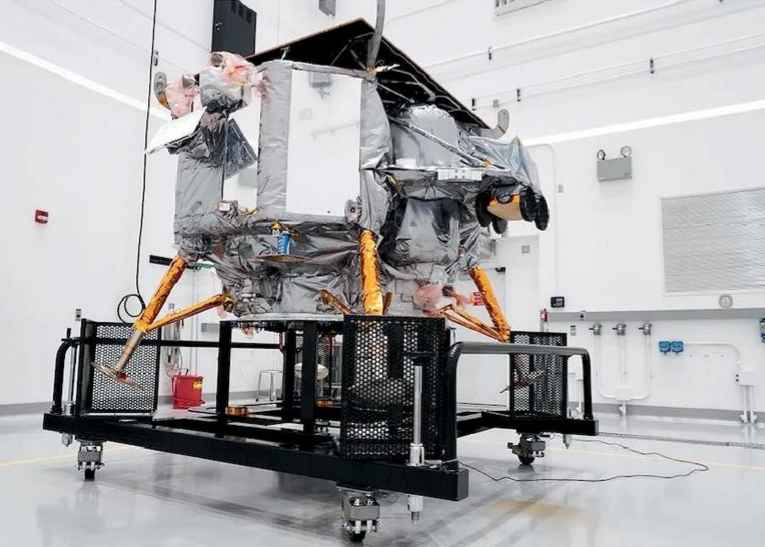
It is reported that the payload of the Vulcan rocket’s first mission includes the Peregrine commercial lunar lander of the American Space Robotics Company and the ashes of customers of the American Celestis Space Funeral Company. Unfortunately, the "Peregrine" was unable to complete the lunar landing mission due to a propulsion system failure.
In an interview with CNBC, Bruno, president of ULA, said that he hopes to carry out "several" launches in 2024 to increase the frequency of missions to meet the needs of customers such as Amazon. Some satellites of Amazon’s Kuiper Broadband Constellation will also be launched with the Vulcan rocket.