Commercial space station: NASA’s good wish
The two space stations currently operating in low-Earth orbit, whether it is the International Space Station led by the United States and Russia, or the Tiangong Space Station built and operated by China, are managed by government space agencies. Although the space station is a landmark milestone in manned space flight, it is not only expensive to build, but also costs a lot of money to maintain and operate. NASA already has successful cases of commercial cargo services. In the commercial crew transportation project, Space Exploration Technologies’ manned Dragon spacecraft has also performed quite well. In 2019, NASA launched a low-Earth orbit commercialization strategy, first of all, to carry out more commercial applications on the International Space Station, and the ultimate goal is for commercial companies to develop and operate independent manned space stations. It is planned that after the International Space Station is retired in the future, NASA will only purchase commercial space station services as a customer, which will not only save a lot of money for the development and operation of space stations, but also encourage the further development of commercial space capabilities. This is the Commercial Low Earth Orbit Destination (CLD) plan announced in 2021.
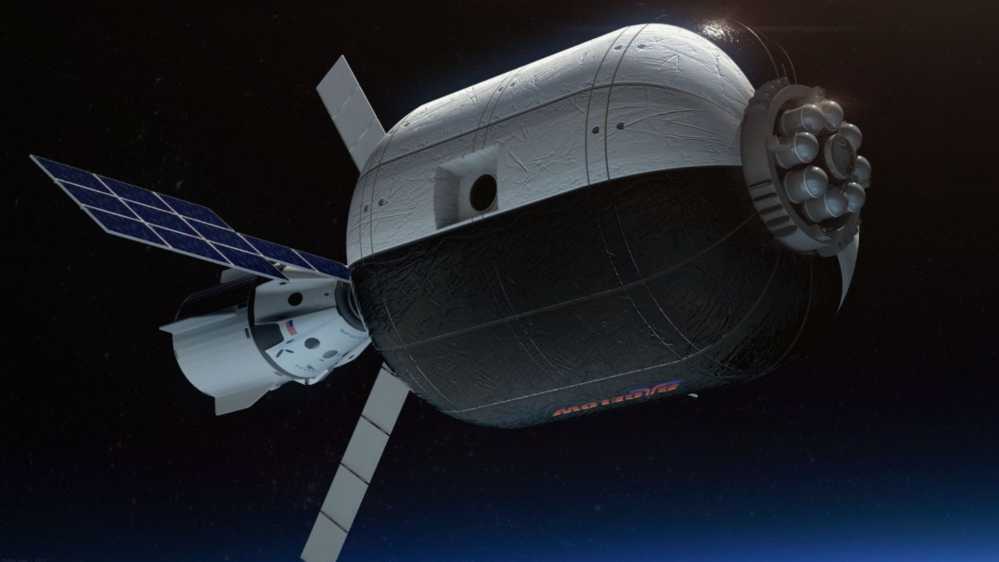
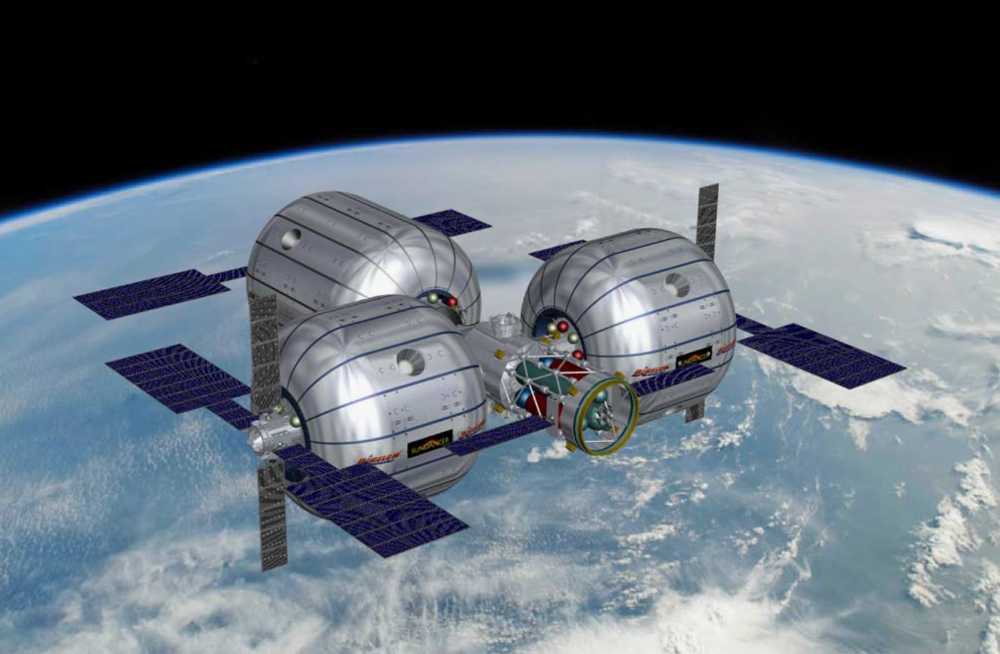
The United States is a country that pursues commercialization to the extreme, and commercial space stations are in line with American values. For the United States, a country founded on business, commercial space stations are not unconventional. Long before the Commercial Low Earth Orbit Destination Plan was officially proposed, Bigelow of the United States proposed the idea of building a commercial space hotel. Bigelow’s BA330 and BA2100 large inflatable space capsule models have attracted countless people’s attention at various aerospace exhibitions and are regarded as the development direction of manned space stations. Bigelow not only acquired the inflatable space capsule technology, but also launched the Genesis 1 and Genesis 1 inflatable test capsules at its own expense, and obtained a contract from NASA to develop the BEAM inflatable test capsule. BEAM is still hanging on the International Space Station for testing. Unfortunately, the COVID-19 pandemic has severely hit the Bigelow family’s main hotel business. Bigelow Space has laid off all employees since March 2020 and has closed down.
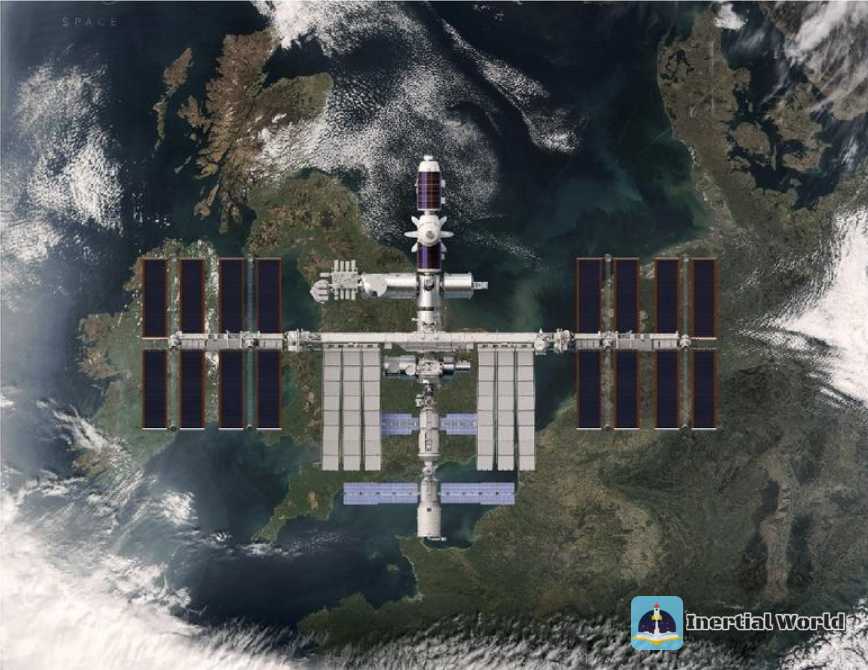
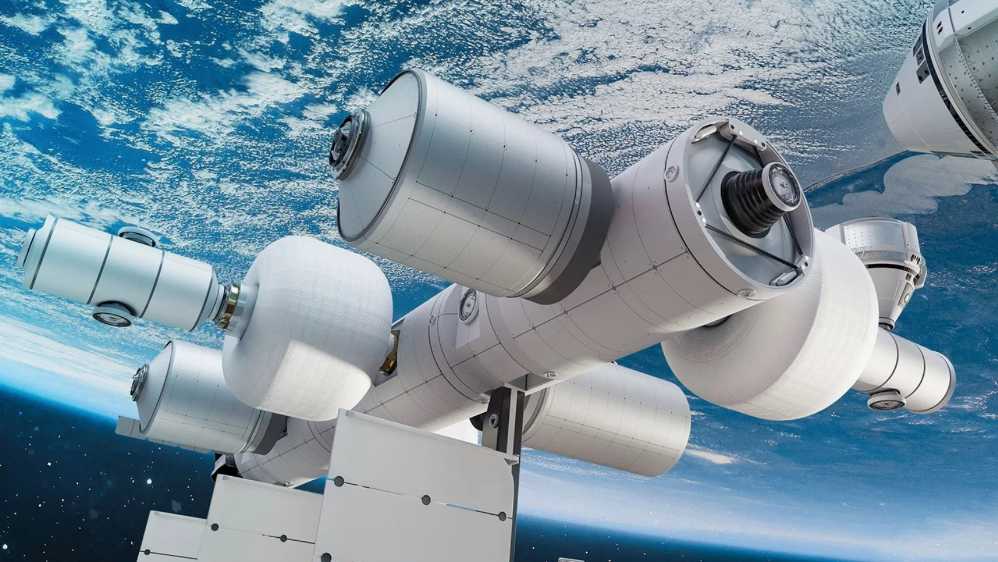
Bigelow Space is not the only one in the commercial space station. After retiring from NASA, Michael Suffredini, the project manager of the International Space Station, founded Axiom Space in 2016 and ambitiously entered commercial manned spaceflight, announcing that it would build a commercial manned space station. Before the commercial low-Earth orbit destination plan was formally proposed, as part of the commercialization of the International Space Station, on February 28, 2020, NASA awarded Axiom Space a fixed-price contract worth $140 million, requiring it to provide at least one living module to be docked to the International Space Station for commercial applications. Axiom Space plans to separate this module after the International Space Station is retired and become a free-flying independent space station. After the 2021 Commercial Low Earth Orbit Destination Plan was officially proposed, familiar aerospace companies such as Lockheed Martin, Boeing, Raytheon, Northrop Grumman, General Dynamics and Airbus Space, as well as newcomers such as Space Exploration Technologies, Blue Origin, Sierra Nevada Corporation, etc. all responded. NASA’s original intention to promote commercial space stations is good, and it seems that American commercial companies are also very active, but will the US space station really flourish in the future?
The embarrassing reality: the twists and turns are constantly "delayed"
NASA’s commercial low earth orbit destination plan, although it is a big deal, is not a high priority. The most important thing for the US manned spaceflight is the Artemis plan to return to the moon, and then to maintain the normal operation of the International Space Station. The commercial low earth orbit destination plan can only be the last one. This embarrassing situation has laid the groundwork for the "delay" of the plan in the future. The participation of various US aerospace companies seems to be swarming, but not many are seriously invested.
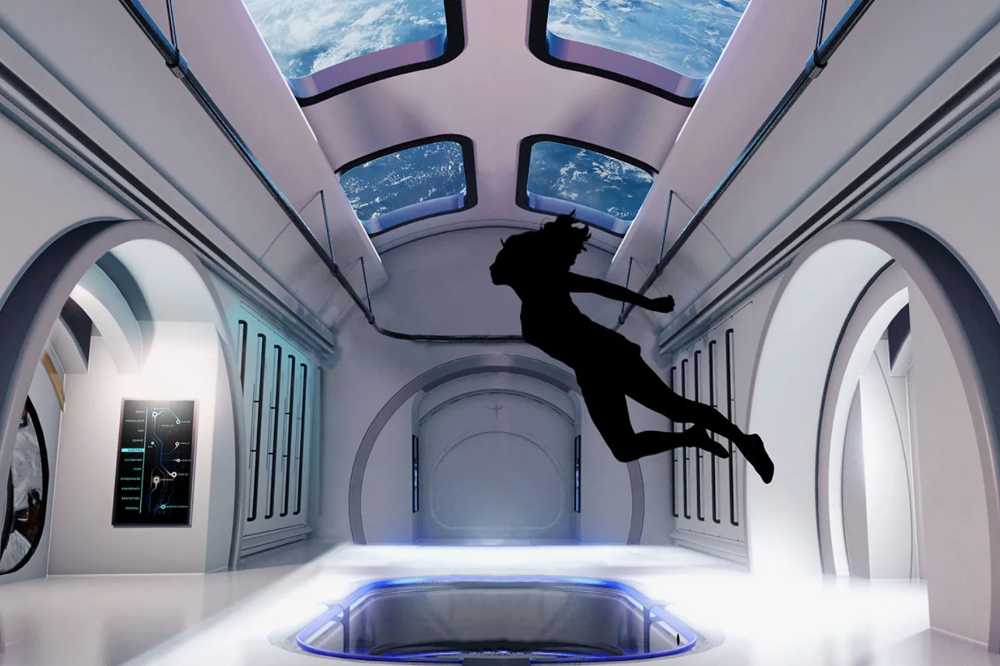
A report in March 2021 mentioned that NASA hopes commercial companies will develop and build new space stations, with a maximum grant of $400 million! You read that right. The annual operation of the International Space Station requires about $4 billion, while the commercial space station will only have a budget of $400 million in the next few years, which is too little. What’s even more frustrating is that this $400 million is not for one company. On December 2, 2021, NASA announced the selection of three teams to develop commercial space stations, namely the Orbital Reef Space Station Project of Blue Origin and Sierra Nevada Corporation, the Star Space Lab Space Station of NanoStand and Lockheed Martin, and the multi-cabin space station project based on the Cygnus cargo spacecraft of Northrop Grumman. Blue Origin received $130 million, NanoStand received $160 million, and Northrop Grumman received $125.6 million. The total contract value of the three teams is $415.6 million: Such a small amount of money naturally cannot attract the true investment of the old giants, and even the upstarts like Blue Origin do not care.
The Star Space Lab Space Station was the first to change. Lockheed Martin was responsible for the development and manufacture of large-diameter inflatable cabins for the Star Space Lab Space Station, but the large pressurized cabin of the Star Space Lab Space Station was later changed to a metal shell design. In August 2023, Explorer Space, the parent company of NanoStent, officially announced a partnership with Airbus Defense and Space, with Airbus manufacturing a large metal pressurized cabin, and Lockheed Martin was out. In October 2023, Northrop Grumman announced that it had abandoned its independent space station project and chose to join the Star Space Lab space station, and Northrop Grumman’s role became providing Cygnus cargo spacecraft. As for the Orbital Reef Space Station, which is as large as the International Space Station, NASA released news in October 2023 that it had paid $24 million for the mission node, but at the same time CNBC reported that the Orbital Reef website had not been updated for a long time and the project has not yet recruited anyone. Later, Blue Origin and Sierra Nevada Corporation said that the two companies will continue to cooperate in the first phase of the commercial low-Earth orbit destination plan, and received another $42 million in additional funds at the beginning of this year to continue the development of the commercial space station project.
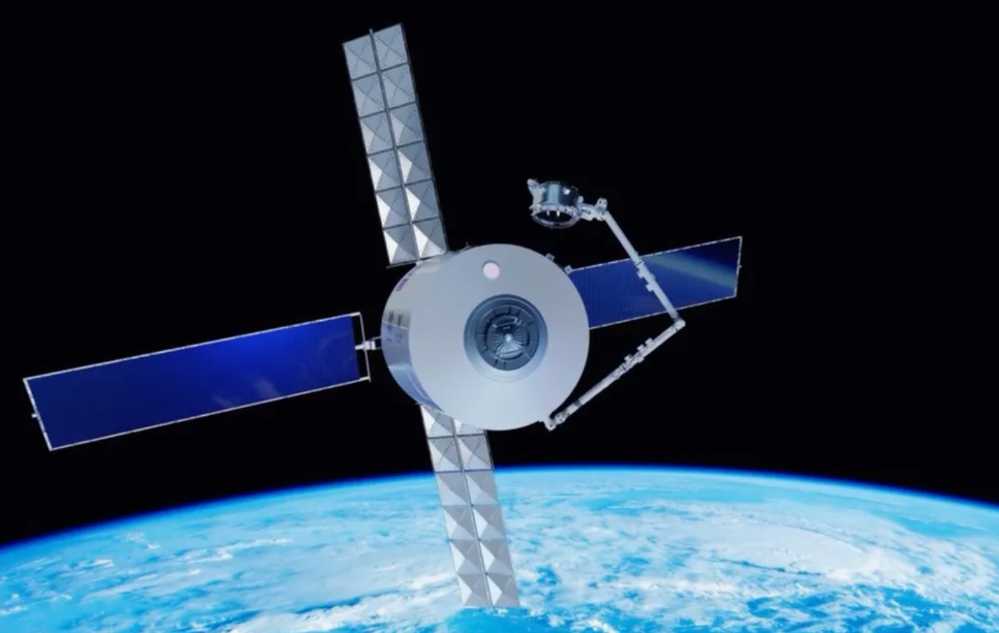
Star Space Lab Station is scheduled to be launched in 2028, and the Orbital Reef Station in 2022 has set a goal of starting construction in 2027. Axiom Space’s space station started the earliest and has the most solid development steps. The first cabin named AxH1, which was originally scheduled to be launched in 2024, is based on the mature MPLM cabin design and has begun formal manufacturing, but the actual launch time has been postponed to 2026. Star Space Lab Station, which has only passed the system design review, and Orbital Reef Station, which has just conducted a structural blasting test, really do not see the possibility of launching in 2028 or even 2027. The US commercial space station is very likely to default and will not be able to take over the responsibility of the International Space Station in 2030.
The future is uncertain, who can take up the banner of the space station?
NASA’s investment in commercial space stations is too little, which is equivalent to commercial companies mainly relying on their own pockets to work. American society advocates commercialization, and large companies do not have much patriotism. With little money, they naturally do not pay much attention to commercial space station projects. If NASA cannot add enough budget, the US commercial space station project will inevitably continue to be a big deal in the hands of large companies. The success of NASA’s commercial cargo and crew projects is not due to its brilliant commercialization strategy. In 2005, many companies participated in the bidding for commercial orbital transportation services, including large companies such as Boeing and Lockheed Martin, but they directly used bidding plans that even amateurs could not stand. If it were not for the Space Exploration Technologies Corporation, which is truly engaged in aerospace, NASA’s promotion of aerospace commercialization might have failed from the beginning.
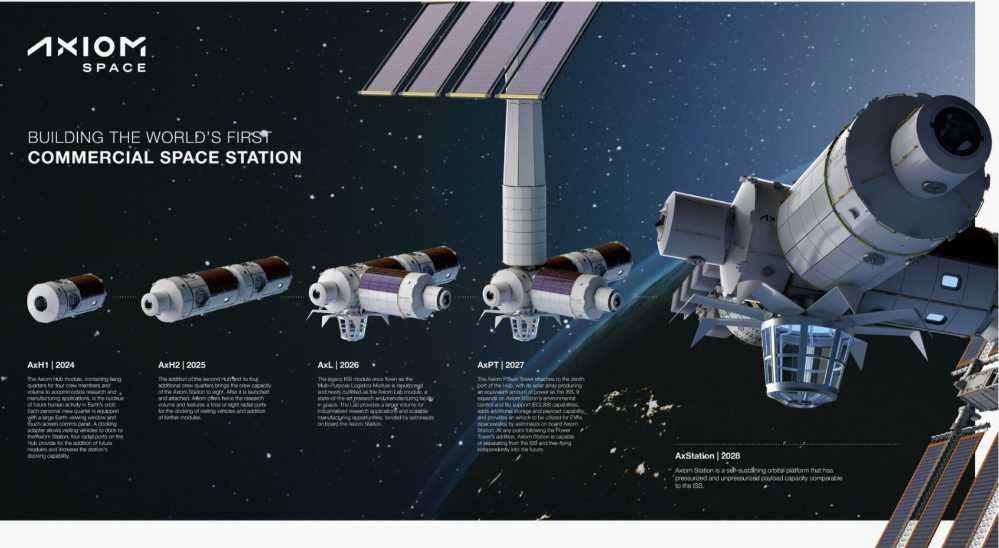
The commercial space station project is now facing the same problem. NASA’s early R&D contract amount is not large, and the future prospects of commercial space station operations are not clear. Whether it is old companies such as Lockheed Martin and Boeing, or "old-fashioned" upstarts such as Blue Origin, they are not very enthusiastic about commercial space stations with limited financial prospects. Blue Origin has been extremely slow in doing things in the past 20 years. Even if they regard the Orbital Reef Space Station as the top priority project and invest all their efforts, it is impossible to start launching in 2027. This is the first time that NanoStent, a subsidiary of Explorer Space, has undertaken such a heavyweight project. Even with the full support of Airbus Defense and Space, the progress of the Star Space Lab Space Station is worrying.
In the development of the US commercial space station, the company that is most similar to SpaceX is actually Bigelow Space, but the contract for the additional module of the International Space Station was given to Axiom Space at the end of February 2020, which became the last straw that broke the camel’s back for Bigelow Space. Grandpa Bigelow’s hotel business lost money again, so he had to reluctantly give up this branch.
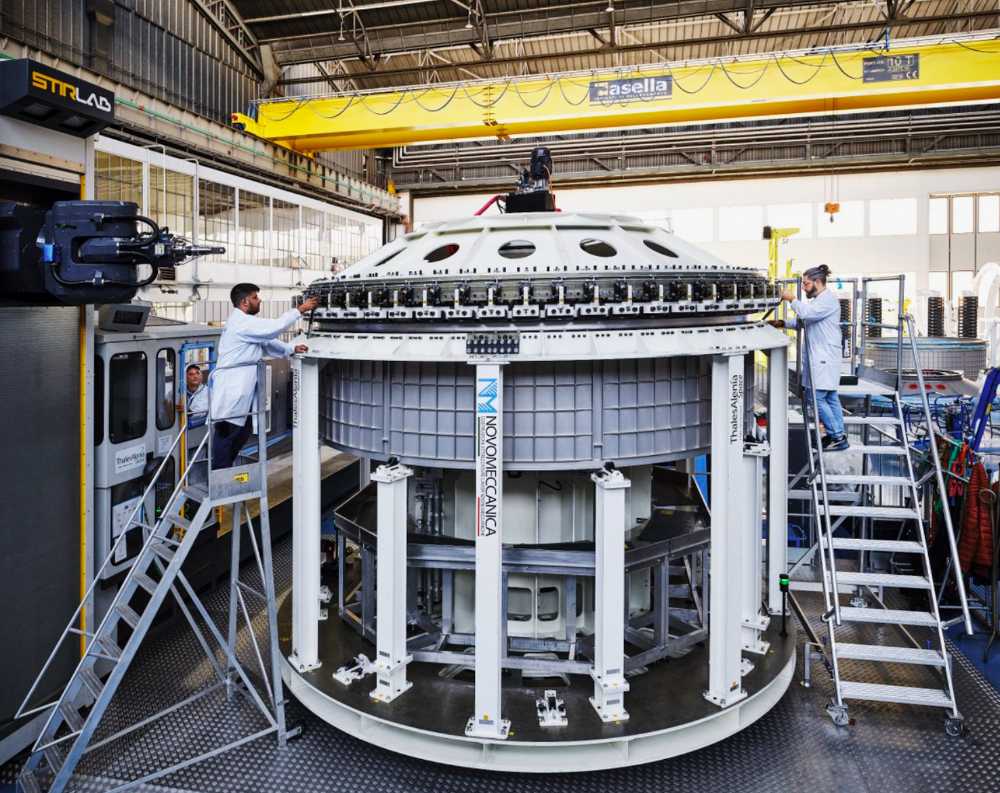
Axiom Space is acting steadily and cautiously, and it has the style of an old aerospace company. The pressure hull of the Axiom Space Station module is manufactured by the giant Thales Alenia Italy, which also produces the pressure hull of the Cygnus spacecraft and the node module of the International Space Station. It is estimated that there will be no problems with the manufacturing of the AxH1 module. However, the weakness of traditional aerospace is high cost. Kistler won the bid for commercial orbital transportation services at the same time as SpaceX. The subcontractors of the K-1 rocket are elite, but the high R&D cost and slow progress of the K-1 rocket forced NASA to reluctantly give up Kistler and replace it with Orbital Sciences Corporation. The most reliable company in the commercial space station plan is Axiom Space. If Axiom Space fails in the future, there will be no suitable replacement.
Fortunately, for manned space flight, SpaceX is an unavoidable "elephant". If the company’s "Starship" is successfully developed, it is natural to derive from "Starship" to a space station. In June 2023, under the Commercial Space Capability Collaboration-2 agreement, NASA selected SpaceX to study the possibility of "Starship" as a commercial space station, and plans to pass the preliminary review in 2028. If other companies, especially the stable Axiom Space, run into problems, the Starship space station may be the only lifeline for NASA’s commercial space station.