This article is "The Current Development of China’s Military UAVs" published by the Chinese journal "Aviation Knowledge". It introduces the models, performance, usage scenarios, development trends, etc. of China’s military UAVs. The full text is reproduced here.
In August and September 2022, the Chinese People’s Liberation Army participated in a large-scale sea and air exercise aimed at deterring "Taiwan independence" and extraterritorial interference forces led by the United States with various types of UAVs in service; in November, the most complete Chinese military UAV equipment system to date was unveiled at the 14th China International Aviation and Aerospace Exhibition. In January 2023, the PLA’s active Wuzhen-7 strategic UAV went to the Western Pacific for a combat patrol and flew over the Miyako Strait twice on the way there and back. The Japanese Air Self-Defense Force fighter jets had to take off in a hurry to respond. In the past five months, the frequent appearance of various types of UAVs in my country has aroused continuous attention at home and abroad to the development of my country’s military UAVs.
The development and transformation of air-to-surface UAVs
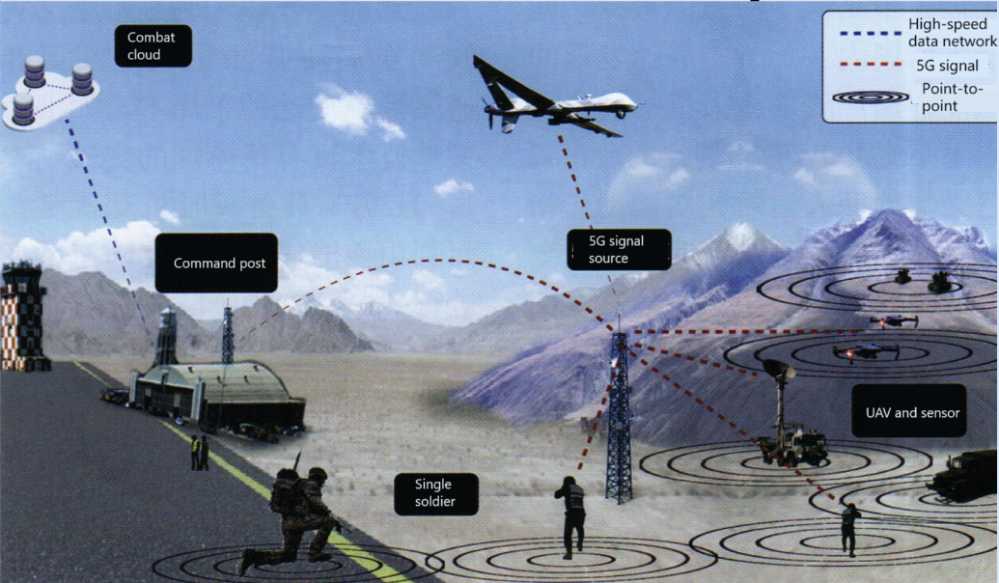
Air-to-surface combat is the basic usage scenario of modern military UAVs, and the initial function setting of my country’s military UAV development also began in this scenario. Since the 1960s, after more than 60 years of development, my country’s military air-surface drones have occupied a place in the world. Overall, they show the characteristics of platform stratification, model serialization, diversified functions, and full integration with our military cloud combat system. my country’s military air-surface drones have gradually formed three levels in the process of development: strategic, campaign and tactical. Different models in multiple model sequences developed in parallel are distributed in three levels. Each specific model performs a variety of reconnaissance and attack tasks under cloud combat conditions through flexible module configuration according to the combat intensity requirements of the level. The task types of models in different levels are similar, but the combat intensity is different. This can not only ensure the high activity of R&D and innovation, and continuously update the model sequence, but also effectively control the R&D, production and use costs of equipment.
Strategic level
Wuzhen-7 is a milestone in my country’s strategic drones, representing the highest level of domestic main combat high-altitude and high-speed strategic air-surface drones at this stage. The turbojet engine equipped with the WZ-7 can make its maximum flight speed reach 750 km/h. If it flies at a cruising speed of 700 km/h, it can cruise at an altitude of 20,000 meters for 10 hours, and its maximum flight distance is close to 7,000 kilometers. If it takes off from the coast of mainland China, the core areas of the first and second island chains can be covered by the combat radius of the WZ-7. The maximum take-off weight of the WZ-7 is 7.5 tons. With a payload of 650 kg, it can flexibly carry reconnaissance modules such as high-definition digital cameras, high-definition digital televisions, infrared imaging cameras, synthetic aperture radars or inverse synthetic aperture radars. If the radar and optical reconnaissance equipment are reasonably matched, even under complex weather conditions, the WZ-7 can accurately track and monitor ground targets within a range of 100,000 square meters at a detection distance of 200 kilometers, and can form high-definition three-dimensional images with an accuracy of 0.5 meters. If the reconnaissance cruise of the first and second island chains of the WZ-7 becomes a normal practice, any military deployment of the United States and Japan in this vast area will be fully visible under my country’s efficient real-time monitoring, directly weakening the threat posed by the United States and Japan to my country through strengthening their strike forces outside the defense zone (mobile deployment of hypersonic weapons and "Tomahawk" cruise missiles, etc.).
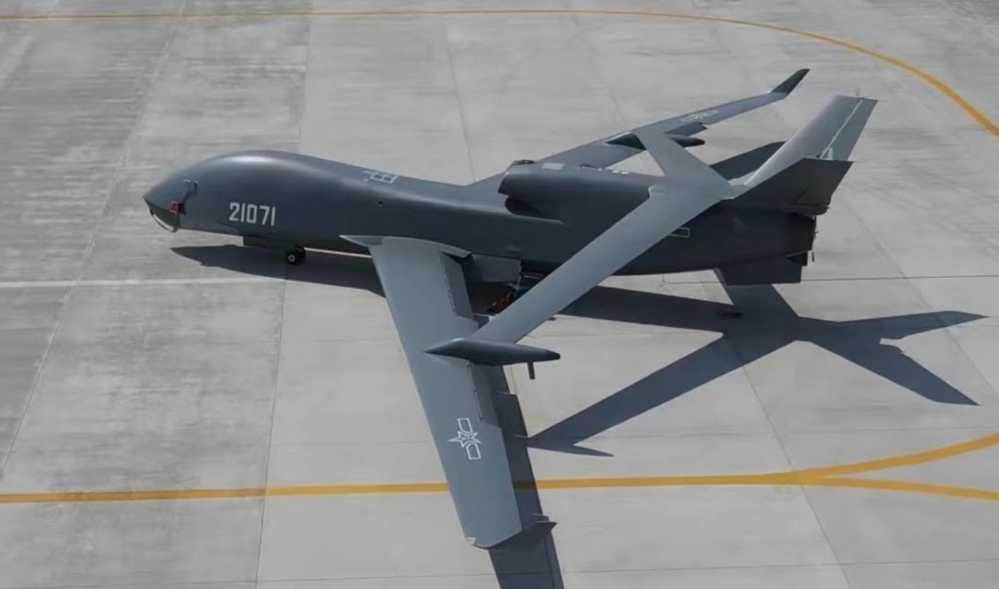
However, obtaining deployment intelligence is not the ultimate goal. After mastering the above data, the next step of WZ-7 must be to guide fire strikes. This is also the fundamental reason why the WZ-7 and the "Liaoning" aircraft carrier formation appeared in the Western Pacific at the beginning of the year, causing extreme tension between the United States and Japan. As a strategic drone deeply integrated with our military’s cloud combat system, WZ-7 can use data links to share battlefield situation information, target positioning information, electronic signal information, etc. acquired by itself with the command center and relevant combat units and equipment platforms in real time in the cloud. With the high-precision reconnaissance data of WZ-7, it is enough to provide initial guidance for hypersonic missiles, supersonic missiles, sub-supersonic combined missiles and other anti-sea attack ammunition equipped by aircraft carrier formations beyond the defense zone. Before the Fujian is put into service, the WZ-7 can be deployed to the Western Pacific to play the role of a large fixed-wing carrier-based early warning aircraft for the Liaoning and Shandong. At the same time, when the guidance satellite cannot operate normally for some reason, the WZ-7 can provide relay guidance for attack ammunition and land-based Dongfeng 26, Dongfeng 21D, and Dongfeng 17 anti-ship ballistic missiles in the mid-flight outside the defense zone, effectively filling in for some guidance satellites that cannot operate normally. Since the WZ-7 has a very high update rate for target positioning data, if the terminal guidance system of the above-mentioned weapons is interfered with, and the position of the WZ-7 makes the target happen to be within its reconnaissance range, it can implement firepower guidance point-to-point through high-speed data links, which is of great significance when carrying out anti-aircraft carrier operations against opponents with powerful air defense and anti-missile systems.
With the empowerment of artificial intelligence technology, it is very likely that the WZ-7 will be able to be used in the short term. The complexity of the tasks to be performed will reach a new high. At that time, after obtaining the target data by itself and obtaining the equipment platform and ammunition information of its own side through the combat cloud, it can automatically generate an attack plan and hand it over to the combat system for direct execution. After the attack is completed, it can also make independent decisions based on its own damage effect evaluation to decide whether to provide a second round of strike plans, thereby upgrading to a battlefield firepower "expert system". In this way, it can not only effectively kill various types of air mobile platforms "agilely deployed" by the United States on the islands and reefs in the Western Pacific, but also eliminate the command centers, military assembly areas, ground radars and various logistics facilities of the Indian army scattered in the valleys on the Sino-Indian border with minimal ammunition consumption, so that our army can achieve the highest combat effectiveness and achieve the best cost-effectiveness.
In addition, thanks to the modular payload design and the characteristics of long range and long flight time, a single WZ-7 can provide relay and digital switching services for hundreds of thousands of wireless communication devices within a radius of 200 kilometers; several WZ-7s can stay in the air at the same time to allow temporary wireless digital communication relay switching networks to quickly form networks in wartime. If necessary, just give the WZ-7 By configuring the electronic warfare module, it is possible to collect electronic signals, suppress/interfere with the enemy within the same range, and even issue a strike plan to guide our army’s attack ammunition to carry out hard kills on enemy-related facilities.
Campaign level
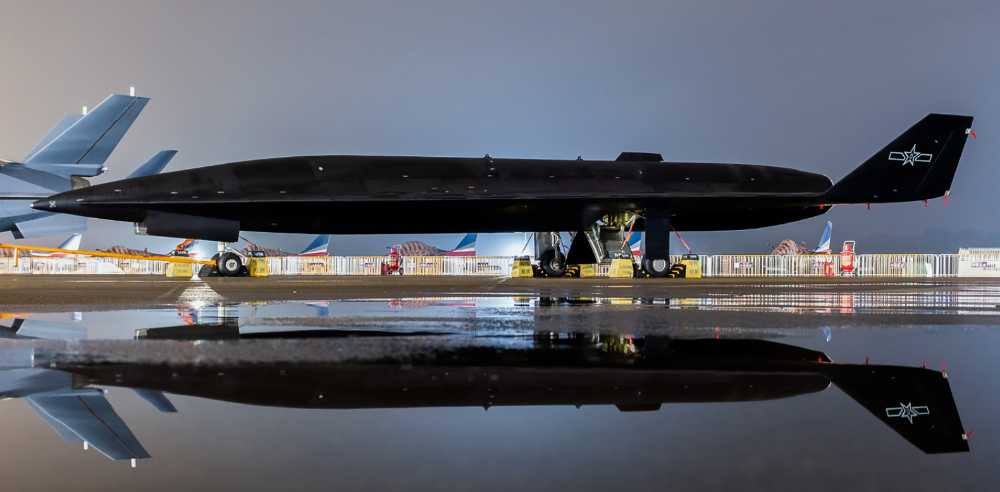
The functions of domestic combat drones in service are basically the same as those of strategic drones, and the complexity of combat missions is very similar. However, due to the range, combat radius and hovering time, the reconnaissance range and data breadth of combat drones are far inferior to those of strategic drones. However, combat drones can fully release their effectiveness in combat scenarios at the combat level by breaking through the flight envelope, and even become irreplaceable to a certain extent. The high-altitude and high-speed stealth drone of the Wuzhen-8 is a representative of such combat drones.
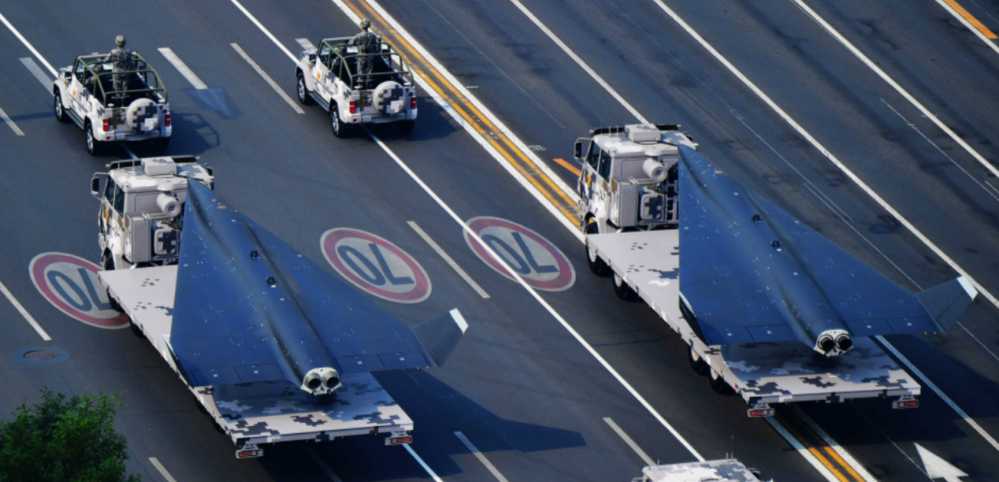
The Wuzhen-8 does not use conventional UAV power methods such as turboprop and turbojet engines, but uses two liquid rocket engines. When it is deployed, the H-6K is used as a mounting platform to carry the Wuzhen-8 to high altitudes and project it at high altitudes with the help of the initial velocity given by the H-6K. With the help of the engine’s high thrust, the maximum flight altitude of the WZ-8 can reach 50,000 meters, and the practical altitude is also above 40,000 meters. It can reach the mission airspace at a speed of 4 to 6 Mach throughout the whole process. This makes the WZ-8 more targeted and timely than the WZ-7 in reconnaissance of high-speed mobile targets, and its deployment is more flexible.
Assuming that a US aircraft carrier formation targeting my country’s southeastern coast is sailing in the Western Pacific at a speed of 30 knots, if the WZ-7 is used for reconnaissance and fire guidance, the low flight speed requires it to transfer and deploy in advance with the support of the early intelligence of our military combat system. The early intelligence is often deceptive and concealed, and the variables brought by the data refresh rate and algorithm will also increase the probability of missing the reconnaissance target. In addition, the speed restriction requires the WZ-7 to be deployed at the front-line airport for a long time in order to maintain a high battlefield situation responsiveness, which increases the possibility of it being attacked outside the opponent’s defense zone. Not only the WZ-7, but also the large fixed-wing manned reconnaissance aircraft and early warning aircraft in service in our army also face this problem. The WZ-8 can set the dispatch time according to the new intelligence due to its absolute advantage in speed, and fly to the mission airspace at the first time, send back the target positioning information, organize the firepower formation and guide the firepower strike.
At the same time, the WZ-8’s range close to that of aerospace vehicles makes it unnecessary to be fixedly deployed at the first-line airport. The flight altitude of 40,000 to 50,000 meters has reached the near space at the edge of the atmosphere, which can avoid most of the world’s land-based and sea-based air defense missile systems and minimize the interference and combat loss rate during penetration. It should be noted here that the WZ-8 can fly continuously at an altitude of more than 40,000 meters at a speed of not less than Mach 4, indicating that my country’s aviation high-temperature resistant material technology has made new breakthroughs, which is of strategic significance for my country’s military drones to further break through the flight envelope and even develop new forms.
Tactical level
Tactical drones are the first series of domestic military drones to mature, serve and achieve combat use. The technical level of the detection and reconnaissance modules they are equipped with is no less than that of strategic and campaign drones. Sometimes they themselves will serve as verification and test platforms for new airborne modules, but they do not need to overemphasize the hovering time and combat radius. Compared with strategic and campaign drones, the reconnaissance targets of tactical drones are not strategic targets such as aircraft carrier formations or large airports, but small high-value targets, especially mobile targets. These targets are highly concealed and maneuverable (with a relatively limited maneuvering range), and in the allocation of defense resources, the enemy is bound to be inclined towards these targets. This requires the equal use of the concealment and maneuverability advantages of tactical drones, and "bite to death" such targets through point-to-point reconnaissance; at the same time, due to the frequent changes in target positioning information, after completing the first positioning, tactical drones, if they adopt the method of calling and guiding firepower to carry out attacks, are likely to reduce the damage effect. Tactical drones do not require much fuel, and the reconnaissance module is small, which can provide more load for ammunition, so as to strike the target at the first time.
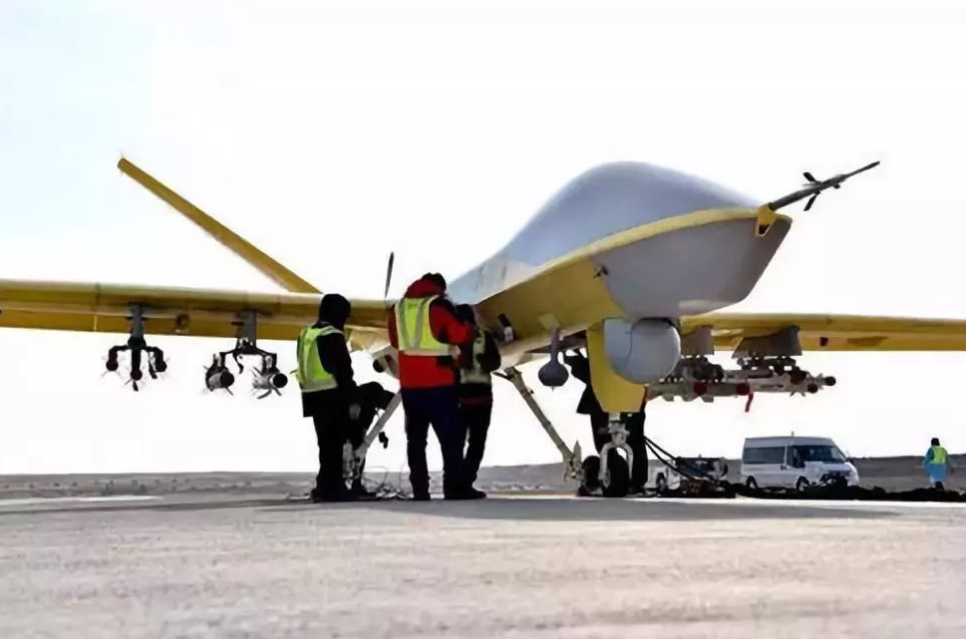
Currently, the representative tactical UAVs in service in our army are Attack-2 and Unmanned Surveillance-10. Attack-2 is equipped with a "turboprop 9A" engine, with a maximum flight altitude of 9,000 meters, a cruising speed of 200 kilometers per hour, a maximum flight speed of 370 kilometers per hour, a range of 4,000 kilometers, a maximum take-off weight of 4.2 tons, and a payload of 480 kilograms. The core equipment of Attack-2 is a downward-looking high-precision synthetic aperture radar installed on the belly. Under the premise of not exceeding the payload, the six external attachment points under its wings use composite racks to carry up to 12 precision-guided munitions. The models can be configured differently, including "Blue Sword" 7/11 semi-active laser-guided anti-tank missiles, AR-1 air-to-ground missiles, "Feitian" 5 precision-guided bombs, LS-6 micro-guided bombs, YZ-212 laser-guided bombs, etc., and a high-performance optoelectronic/infrared reconnaissance pod is set under the nose. The export model of Attack-2, "Wing Loong" 2 and its counterpart "Rainbow" 4B, have successfully entered the military UAV market in Iraq, Saudi Arabia, the United Arab Emirates, Jordan, Egypt and other countries. They have withstood the test in a high-intensity actual combat environment and obtained a large amount of data in the process. After that, with the empowerment of the rapid development of domestic artificial intelligence, the intelligence level of domestic tactical UAVs will surely reach a new high. The current Attack-2 no longer requires ground personnel to implement action commands for it. Instead, it can directly issue mission instructions and perform reconnaissance, return and multi-target attack tasks completely autonomously.
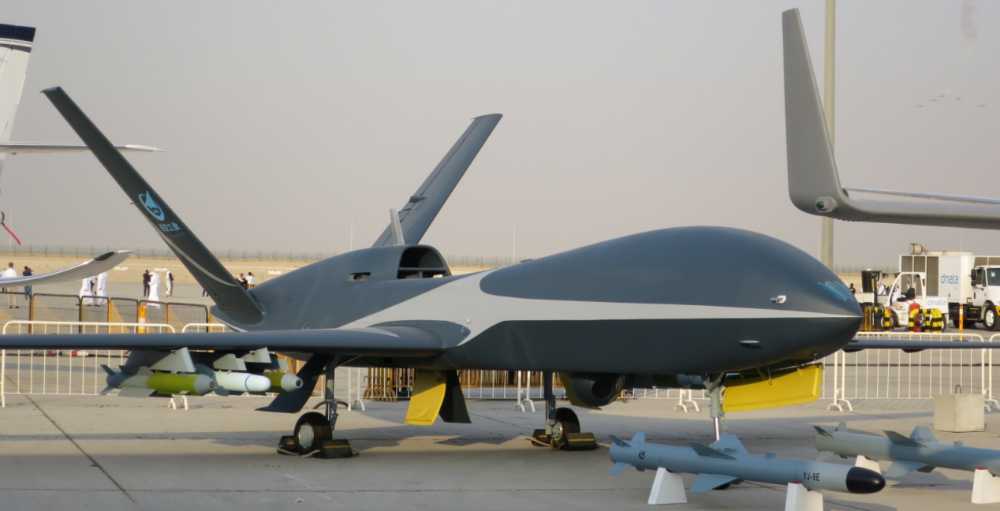
Wuzhen-10 is a tactical UAV focusing on electronic warfare. It is equipped with two small turbofan engines, with a maximum flight speed of 850 kilometers per hour, a range of 4,000 kilometers, a combat radius of 1,800 kilometers, and a flight time of nearly 10 hours. In addition to carrying optoelectronic reconnaissance equipment, high-resolution cameras, synthetic aperture radar and other modules, it is also equipped with full-band radar signal detection and electronic communication signal detection modules, which can lock electromagnetic wave radiation sources hundreds of kilometers away by reverse tracking intercepted electromagnetic wave signals. With the payload of Wuzhen-10: it cannot carry large-scale out-of-area attack ammunition, so after locking the location of the radiation source, it will organize firepower and guide the attack. With the development of artificial intelligence, it is rapidly transitioning from "expert system" to "system full authority", and the era of combining manned and unmanned aircraft has arrived.
Specifically in China, the Attack-11 has been regarded as a supplementary formation of the J-20 since its debut at the National Day military parade in 2019. It is undeniable that the stealth shape of the Attack-11 will not hinder it when it is teamed with the J-20. Its own combat radius of 1,500 kilometers, under the protection of the system, can basically meet the requirements of accompanying the J-20 in combat; the built-in bomb bay of the Attack-11 can accommodate 2 tons of precision-guided ammunition, which effectively makes up for the shortcoming of the J-20’s insufficient attack ammunition load. In addition, the Attack-11 has achieved the execution of attack missions under the condition of "system full authority". The UAV operators on the J-20 do not have to be distracted by manual operations, and only need to assign task instructions to the Attack-11 fleet.
However, the tailless flying wing aerodynamic layout of the Attack-11 makes it destined to be only a high subsonic aircraft. Under this layout, if there is no revolutionary breakthrough in thrust vectoring technology, the Attack-11 is difficult to have instantaneous maneuverability advantages. The core function of the J-20 is to use its performance advantage to "tear" the enemy’s air defense system and seize air supremacy. Its unmanned wingman must also be an air superiority fighter to fundamentally release its combat effectiveness. In order to achieve air superiority operations under the condition of "system full authority", whether it is beyond visual range or close-range operations, the current programming level and code size of the Attack-11 cannot meet the requirements of the complexity of air superiority combat missions. However, this situation is prevalent all over the world. Whether at home or abroad, the development of air superiority drones will bring the technical level of military drones to a new height.
Air superiority drones debut
In November and December 2022, with the public appearance of China’s "Feihong" 97A and Turkey’s "Red Apple (Kizilelma) air superiority drones, the era of unmanned air superiority fighters seems to have arrived. It is worth noting that the above two types of air superiority drones have a similar aerodynamic shape to the J-20.
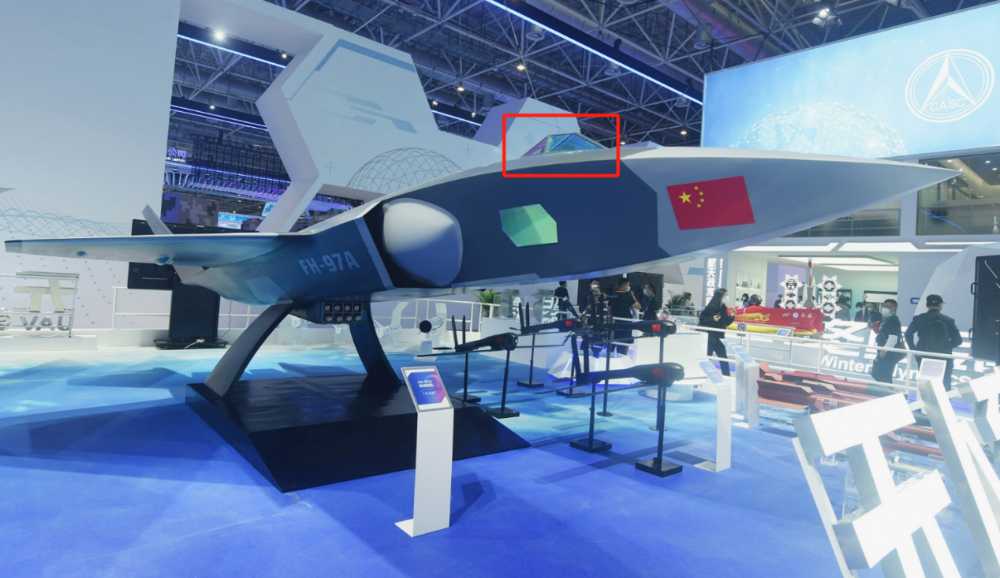
"Feihong" drone
At the 2022 Zhuhai Air Show, "Feihong" 97A The model sends many signals to China’s development in the field of air superiority UAVs. Overall, although it is a newly developed platform, it is more like the natural result of the development of China’s aviation technology, 5G, artificial intelligence and other industries, and it is the inevitable result of the concentrated development of many related scientific and technological achievements.
From the three major foundations of air superiority UAVs, the various free confrontation exercises conducted by the Chinese Air Force after 2010 are all good basic data sources. Among them, the free confrontation exercises represented by the "Golden Helmet Free Confrontation Air Combat Competition Assessment", "Red Sword System Confrontation Training", and "Golden Dart" penetration assault almost cover the current information background under four meteorological conditions (simple daytime weather, complex daytime weather, nighttime weather). All air combat mission scenarios (simple weather, complex weather at night) especially the "Golden Helmet" assessment, which represents the highest level of confrontational air combat training conducted by the Chinese Air Force in close contact with actual combat.
In addition, due to the crisis on the Korean Peninsula, the Taiwan Strait issue, and the East China Sea and South China Sea disputes, China has always been under naval and air military pressure from the United States, Japan, Australia, Canada and even the United Kingdom in the Western Pacific, and has been forced to implement military countermeasures against the aerial reconnaissance and provocations of the above-mentioned countries for a long time. Among them, in June 2022 alone, the Chinese military carried out air defense countermeasures against 59 military aircraft sent by the US military to the South China Sea for illegal aerial reconnaissance activities; as early as December 2021, the J-20 and the US Air Force deployed to the Asia-Pacific region F-35A had a fierce close-range confrontation over the East China Sea. These scenes are difficult to restore or simulate in domestic free confrontation training, and are even more inaccessible to "Red Apple".
By using a large amount of effective associations extracted from high-quality data accumulated in these scenes as a logical basis for programming, the types and complexity of tasks that my country’s future air superiority drones can independently perform will be greatly guaranteed. From the perspective of computer language programming competitiveness, China has 7.55 million programmers in 2021, second only to the United States (13.55 million), ranking second in the world, thus forming a healthy pyramid-shaped talent structure. However, the programming scale and complexity of air superiority drones are by no means comparable to daily personal computer software or random application software systems. In order to obtain matching talents, in-depth excavation and long-term practice are required: and thanks to the development of models such as the J-10, J-20, and the "Wing Loong" and "Rainbow" series of drones, my country has cultivated and reserved a large-scale and professionally qualified programming talent team. At the same time, as each model series is rapidly iterating and new models are often produced, the programming talent team in the industry must continue to remain active to ensure that it matches the intelligent needs of new models. In addition, as long as the channels for knowledge exchange and talent flow remain unobstructed, domestic universities and the rapidly developing artificial intelligence industry are important sources of resources for the development of my country’s air superiority UAVs.
After ensuring the above three foundations, it is of practical significance to continue to configure the required finished products and systems for the air superiority UAV platform. Specifically for my country’s current situation, the most convenient way is to directly use the existing advanced and mature designs, finished products, and systems for air superiority UAVs. The "Feihong" 97A fully embodies this concept. From the model on display, the supersonic air inlets (DSI inlets) without boundary layer separation on the left and right sides of the fuselage, the pointed delta wing and the large-area V-shaped tail layout, the twin-engine high-thrust turbofan engine and the convergent-divergent nozzle design show that its positioning is very clear, that is, a supersonic fighter with high flight quality and excellent instantaneous and continuous maneuverability. At the same time, it will be equipped with an active phased array radar and a distributed optoelectronic system with an overall architecture and performance similar to that of the J-20. In particular, the optoelectronic tracking and targeting system (EOTS) will be placed on the nose, so that its powerful independent air situation awareness capability can be integrated into our army’s cloud combat system, and it will directly have beyond-visual-range air combat capabilities. In addition, after the "Feihong" 97A is matched with the J-20, it can not only free the latter from the front-line combat mission, but also specialize in command and control, data distribution, and relay communication, thereby improving the battlefield survival rate of pilots and manned fighters. It will also be accompanied by the addition of air superiority UAVs. With the support of combat cloud, high-speed two-way data link and artificial intelligence technology, a single manned fighter will be transformed into an air superiority combat formation, thereby releasing combat effectiveness mainly in air defense, interception and air control operations.
Is the model of the "Feihong" 97A its final form? Is it my country’s first air superiority UAV? There is no conclusion yet. Personally, I feel that it is more like a conceptual display based on my country’s clear functional goals for future air superiority UAVs. The addition of air superiority drones is an important part of the continuous optimization and improvement of our military’s combat system. From the perspective of mission scenarios, it can provide "close escort" for my country’s air strategic platforms. Only when my country’s new generation of air strategic platforms can conduct regular combat patrols in the airspace of Hawaii and its east can it initially achieve equal military deterrence against the United States. Although this strategic patrol is still only expected, with our existing combat system, it is possible to allow the H-6N or H-6K to reach Hawaii. The 2,000-kilometer position makes it feasible for it to enter the range of our airborne strike weapons beyond the zone of defense. However, due to the lack of a reliable military fulcrum in the Pacific, it is difficult for various types of advanced fighters to provide full escort for the aerial strategic platform. Even though the combat radius of the fighters can be extended with the support of aircraft carriers and Y-20, in a complex actual combat environment, the failure of escort caused by factors such as sudden changes in the situation, delayed intelligence, and wrong decisions will still affect the battlefield survival rate of our strategic platform. Even if our stealth aerial strategic platform is put into service in the future, this challenge will still exist. Therefore, in the absence of a Pacific fulcrum, the strategic platform equipped with air superiority drones is a quick way to solve the above problems. A quick and effective way.
First, the "integration" with the strategic platform reduces the requirements for the range and combat radius of the air superiority UAV; secondly, the air superiority UAV does not need too much support from outside the strategic platform, and it can be used with the power assistance of the strategic platform and its own initial Driven by the speed, it can be quickly deployed and fly autonomously, and then it can completely autonomously drive away or shoot down enemy aircraft according to the mission instructions from the strategic platform.
In addition, most of our military’s current air strategic platforms patrol in formation. Under the premise of fully considering the number of air superiority drones required, the strategic platform’s payload distribution, and flight resistance, it can flexibly adopt the method of multiple platforms mounted separately or a single platform mounted centrally, specifically to meet the escort needs of the patrol mission. After our military’s stealth air strategic platform is put into service, the limited space of its built-in bomb bay may limit the air superiority drones it carries, but from the development trend, it will be normal for our military’s air superiority drones to have a stealth appearance. When necessary, allowing strategic platforms to carry drones in a semi-buried or even external manner will not have a fundamental impact on the stealth of the platform.
Finally, since air superiority drones are different from drones that perform simple tasks, they cannot be treated as consumables and must be recycled after use. In the absence of a fulcrum, self-recycling by the aerial platform is the first choice. Of course, this recycling method still has technical difficulties to be verified.
After manned aircraft and air superiority drones are formed into combat formations, manned aircraft can be freed from front-line combat missions, ensuring the battlefield survival rate of pilots and manned aircraft, and minimizing the impact of pilot losses on sustainable combat capabilities. With the addition of air superiority drone groups, with the support of combat clouds, high-speed two-way data links and artificial intelligence technologies, the original single manned fighter can be transformed into an air superiority combat formation. The air superiority drones with independent combat awareness in the formation will fully release the combat effectiveness of the previous single manned aircraft. In the long run, when the basic data volume and the associations extracted from them continue to accumulate until the next qualitative change, air superiority drones will replace manned aircraft.
Prospects for future development
From now to the middle of this century, the essence of UAV development should be to continuously expand the types of tasks performed under the condition of "system full authority" and increase the complexity of tasks. Its guarantee factors mainly include the improvement of artificial intelligence technology and the aviation industry, so the production capacity of chips must keep up.
In addition, it is necessary to formulate a framework for which combat tasks need to achieve "system full authority". There are currently two directions: one is the tasks undertaken by all manned aircraft, and air superiority UAVs are an important breakthrough in this direction; the second is the tasks that are not covered in the first direction but are technically expected to directly achieve autonomous unmanned combat. For example, the emergence of Wuzhen-8 has raised the flight altitude of UAVs to near space.
Based on the existing information, it is speculated that the reusable test spacecraft launched by my country on August 5, 2022 using the "Long March 2F" rocket has been flying in an orbit at an altitude of nearly 400 kilometers for at least 2 months. If the intelligent operation, liquid rocket powered space flight, and reusability of the two are combined, there will be a type of unmanned aerospace vehicle that can carry out orbital flight, autonomously adjust flight altitude and speed, and be used to carry out anti-satellite and anti-missile combat missions, or quickly replace satellites when the satellites of the party are damaged in battle, so as to perform reconnaissance, guidance, communication and other tasks. In addition, the use of drones in the Russian-Ukrainian conflict has brought efficiency improvements to both sides, and most of these drones are still in the relatively primitive action command operation stage, and their integration with the combat system is very limited. If they can achieve full autonomous action under the condition of "system full authority", drones can completely become front-line combat forces and greatly expand combat effectiveness.