
Personnel selection of "Seabees"
Officer selection
Officers selected for the U.S. "Seabees" must have a bachelor’s or master’s degree in engineering (architecture) certified by the U.S. Engineering (Architecture) Technical Certification Board. Those with engineer qualifications or more than 2 years of work experience are preferred. After the commission order is issued, officers must serve in active service for at least 4 years and in reserve for 4 years, for a total of 8 years.
There are three main ways to select officers: one is the Civil Engineering Officer School, which recruits high school graduates aged 17 to 22; the second is the Reserve Officer School, which recruits college students aged 19 to 29, and can be relaxed to 35 years old in special circumstances; the third is for U.S. citizens who meet the age requirements. After being selected as a junior officer of the "Seabees", personnel will be responsible for commanding a construction battalion composed of 400 to 600 enlisted soldiers, and will continue to accumulate command experience and leadership in the actual process of leading troops. Brigadier General Matthew C Riethmiller, the current commander of the Mid-Atlantic Division of the Naval Facilities Engineering Systems Command, graduated from Ohio State University. After training at the Reserve Officer School, he became a naval civil engineering officer and served as an assistant public works officer, commander of the mobile construction battalion of the "Seabee" force, operations officer of the Facilities Engineering Command, and commander of the first engineering construction group of the Expeditionary Combat Command.
Soldier selection
There are three main sources of soldiers for the "Seabees": one is that soldiers who have completed their service continue to serve; the second is direct recruitment from the society; the third is to select soldiers with professional engineering skills from other types of troops. According to US law, all US citizens aged 17 to 39 who meet the service conditions can serve and can retire after reaching the prescribed service period.
The "Seabee" force selects soldiers based on the principle of "balance of power" to achieve a balance between the number of professional personnel in the force. It also emphasizes the need for cross-training of skills that are not frequently used, so that personnel can achieve mutual substitution of technical professions to a certain extent when necessary. In addition, the Seabees often obtain personnel from allied forces, friendly forces and government departments to meet personnel needs during missions.
Seabee personnel training
Civil Engineering Officer School
The school is located in Port Hueneme, California, and usually provides pre-job training for officers of the Civil Engineering Corps, including courses such as military management, military preparation, military justice, and personnel management. After training at the officer school, new officers will be assigned to the construction battalion of the Seabee force. After an initial orientation period of 2 to 3 years, they can gain valuable experience in engineering management and technical skills. After the initial orientation or secondary orientation is completed, officers with long-term service plans can continue to pursue a master’s degree in engineering after passing the assessment.
Reserve Officer School
The Reserve Officer School is located in Pensacola, Florida. Students from local colleges and universities majoring in civil engineering can apply 3 years before obtaining a bachelor’s degree or 1 year before obtaining a master’s degree. If selected, they can enjoy regular naval personnel benefits during the completion of their studies, including a monthly allowance of $1,600 and 30 days of vacation per year. After graduation, college students will receive military training at the Reserve Officer School and receive a commission as a naval officer.
Training of "Seabees"
Training content
The "Seabee" force personnel are divided into seven occupational rating categories: construction workers, electricians, mechanics, equipment operators, steel workers, engineering assistants, and public equipment personnel. According to the mission requirements of one specialty and multiple abilities, each "Seabee" member who performs a mission must be able to complete multiple duties. Therefore, the training of "Seabees" is not differentiated by profession, but classified according to the ability requirements of job tasks, decomposing skill modules, so that knowledge, ability, and tasks form a corresponding relationship between the three, and ensure that skill training is driven by completing mission tasks.
The training of the "Seabee" troops includes basic training, comprehensive training, and continuous training. Basic training is generally for electricians, plumbers, carpenters, equipment operators, maintenance personnel, steel technicians, engineering mechanics, etc.; comprehensive training is job training, through training, personnel fully understand job responsibilities and industry technical knowledge, similar to the apprenticeship stage in the civil construction industry; continuous training is the overall training of the troops, including normal training during deployment, etc.
Training characteristics
The training of the "Seabee" troops is usually undertaken by the combat readiness brigade, the construction battalion center, the construction battalion logistics center, and the civil engineering troop officer school. It has the following characteristics:
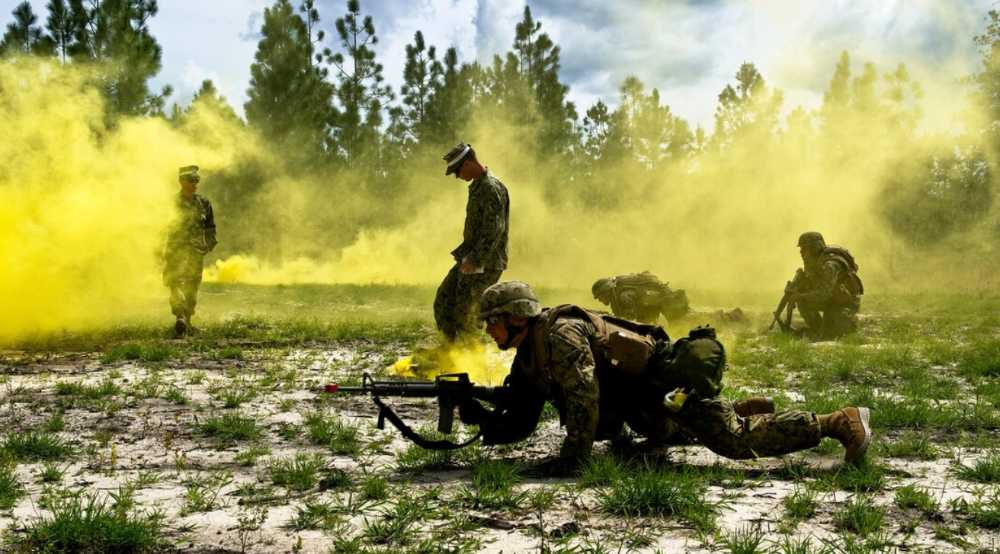
First, the training intensity is high, with equal emphasis on technology and military affairs, and there are special training troops and training camps. For example, the combat readiness brigade is mainly responsible for training front-line troops and reserve troops such as mobile construction battalions and support teams. The training content includes: military, technology, and "Seabee" troops. training; repairing damaged facilities; building and repairing base facilities; driving and navigation training, etc. Each unit regularly enters the training camp for 7 and a half months of special engineering support training.
The second is that the professional quality of the training instructors is high: the instructors’ professional experience is emphasized. The training instructors must undergo professional training in civil engineering and obtain a master’s degree in related majors. Most of them have overseas experience, actual combat experience, and experience in the Ministry of National Defense or the Navy Operations Department. They are usually experts in a certain aspect of engineering construction and support, and often adjust their positions in multiple departments and units. They rarely serve in a certain unit for a long time. They have broad experience, broad vision, and rich organizational experience. They can teach a variety of professional skills, so that personnel can quickly master a variety of professional skills after short-term training.
Live-fire drills
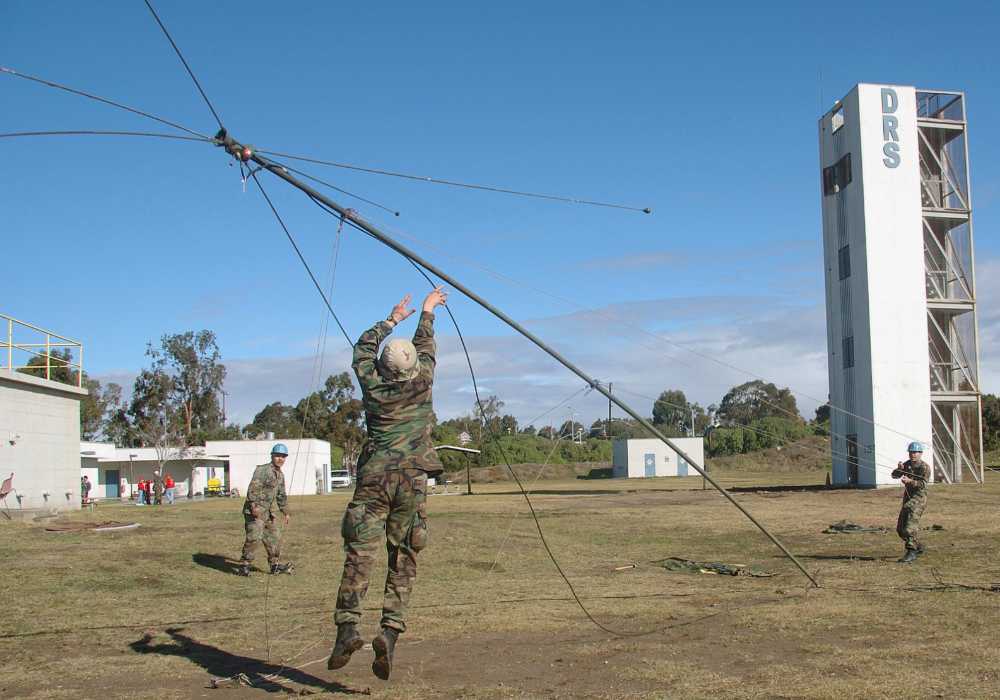
After the Gulf War, the US military put forward the slogan of "fighting like training." The Seabees have formulated the "Seabee Operations Manual", "Seabee Management Manual", "Seabee Training Manual", "Seabee Safety Manual" and other manuals to guide the Seabees in various exercises and training. Through regular and frequent exercises and training activities every year, the real combat engineering support capabilities are tested, and existing problems and deficiencies are discovered in a timely manner, and continuous improvements and improvements are made. At present, the regular exercises and training of the Seabees include: Seabee Replacement Training focusing on combat skills, On-the-Job Training focusing on professional skills, Field Exercises focusing on practical application, and Seabee Rodeo focusing on innovative competition.
In the 2021 large-scale US military exercise, the US Navy Expeditionary Combat Command organized the Seabees to carry out multiple integrated cross-training. By creating a dense and powerful exercise environment, linking highly practical exercises with actual operations, the knowledge and skills required by the Seabee personnel can be improved in an increasingly complex, multi-domain and highly competitive environment.