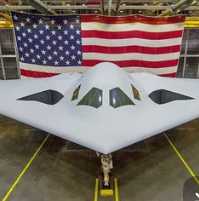
A pioneer across the ages
Since the armed helicopter, a technical equipment, began to play an important role in modern warfare, famous models of armed helicopters from various design bureaus in the Soviet Union and Russia have appeared one after another in conflicts of all sizes and international military trade. But compared with the well-known Cold War "Doe", "Havoc" and "Black Shark", the history of the development of armed helicopters in this northern country can be traced back to an incredibly early starting point, not even much later than the Wright brothers’ feat of completing the first powered flight.
Among the many pioneers of helicopter development in the world, the Soviet Russian official believed that the one who found the right path the fastest was Boris Nikolayevich Yuriev, the proud disciple of the Soviet aviation legend Zhukovsky. Under Zhukovsky’s guidance, he was interested in almost every branch of aviation and achieved amazing achievements, the most famous of which was his outstanding contribution to the development of single-rotor helicopters.
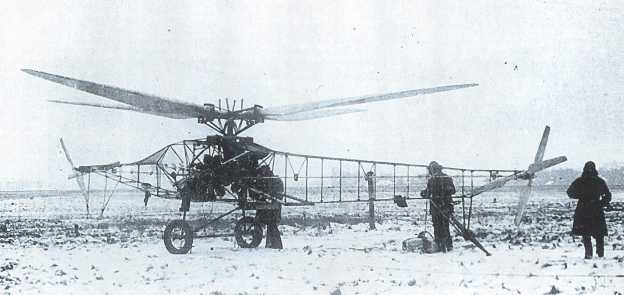
In 1909, Yuriev was ordered to take over the research on rotorcraft and in 1910 In 1930, with the support of Zhukovsky, the world’s first helicopter development organization, the Tsarist Russian Air Navigation Association Helicopter College Student Group, was established. In less than a year, Yuriev led the team to complete the design of the first single-rotor helicopter in Tsarist Russia and successfully obtained a technical patent. Yuriev continued to work hard to solve the basic technical difficulties of helicopters, such as the variable pitch swing of helicopter rotors and the tail rotor control of single-rotor helicopters. When helicopters were still in such a young stage, Yuriev had already put forward the view that helicopters would play a huge role in the military. In addition to completing simple transportation, reconnaissance, artillery calibration and other tasks, they themselves can also be used as firepower platforms, playing a more flexible role than fixed-wing aircraft. After that, Yuriev devoted himself to the research and development of twin-rotor helicopters, and improved the helicopter theoretical research and education system. The aviation textbooks he compiled educated countless people.
Until the outbreak of the Great Patriotic War, the Soviet aviation industry continued to develop and explore the boundaries of the new helicopter along Yuriev’s path. August 1932: TSAGI1-EA The test helicopter reached a height of 605 meters in the ceiling test, far breaking the 158-meter record previously held by the Italian coaxial rotary-propeller helicopter. In 1940, the Ordzhonikidze Aviation Academy Design Bureau in Moscow had developed practical B-9/10/11 and other twin-rotor helicopters, and equipped the Soviet Air Force in small batches. However, with the sudden launch of Nazi Germany’s Operation Barbarossa, the Soviet Union was unable and had no time to invest resources in the development of immature helicopters, and almost all helicopter projects were paused.
Can’t lose to the Americans
The end of World War II and the fall of the Cold War iron curtain marked the beginning of all-round competition between the two major camps of the East and the West. At this time, facing the United States, which joined the United States in 1928 and fought in the 1930s and 1940s, the United States joined the United States in 1928 and fought in the 1930s and 1940s. Sikorsky and his company, which had achieved great success in the helicopter field in the 1940s, naturally attracted the Soviet Union to compete with them. The leading figure in the development of helicopters in the Soviet Union during this period was Mikhail Leonkievich Mil, who is still very famous today. In the late 1940s, he had worked at the Soviet Central Institute of Hydrodynamics (TSAGI) for nearly 20 years and had accumulated a large amount of data and forward-looking information on helicopters. He naturally became the founder of the Soviet and Russian helicopter empire for more than half a century. His amazing ability allowed the Mil Design Bureau, which was only established in 1947, to produce classic products such as Mi-1 and Mi-4 in just five years, almost "equipping the entire Soviet Union with rotors."
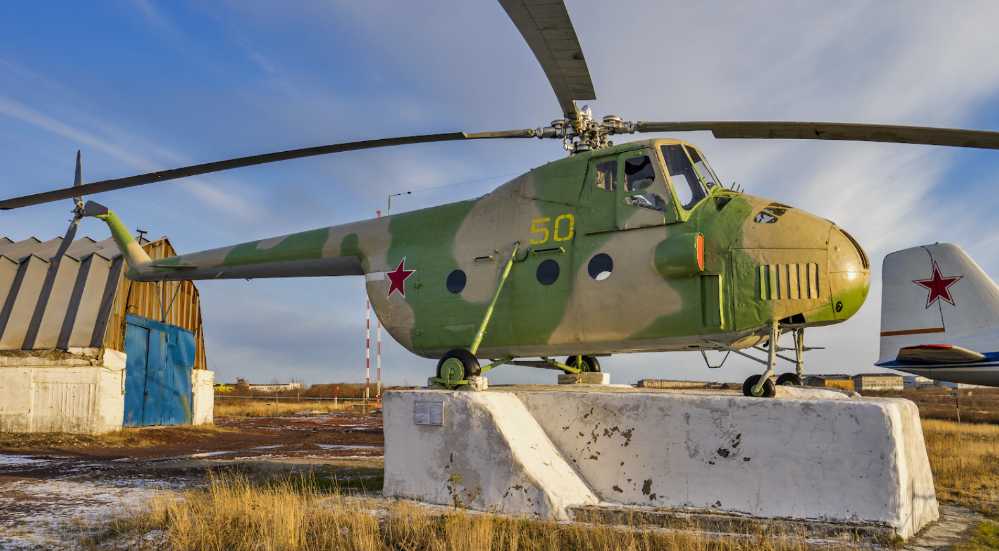
However, in the nearly 20 years since then, the Central Committee of the Communist Party of the Soviet Union has repeatedly rejected Mil’s bold idea of equipping helicopters with weapons to become flying tanks! In the eyes of the then Soviet leader Khrushchev and the leaders in charge of the aviation industry, transport helicopters like the Mi-4 were just slow and low targets in the face of anti-aircraft firepower, and it was impossible for helicopters to safely undertake full-time attack tasks. But Mil firmly believed that the ideas of the comrades in the design bureau were correct. The design bureau used the Mi-4 helicopter to conduct armed transformation experiments on its own. Through the development process of the "Mi-4 armed transport type", machine guns and rocket launchers were installed and tested on the aircraft. So far, after half a century of armed helicopter development, the Soviet Union finally successfully implemented the concept of helicopter armament for the first time. The Mi-4 armed transport model is the real pioneer of Soviet helicopter armament, and its significance is beyond reproach. However, its half-baked nature makes it inadequate in actual combat. As a piston engine powered helicopter, it uses the helicopter model Ash-82V of the Ash-82 air-cooled engine developed and used during the Great Patriotic War. The technology is old and the power-to-weight ratio is low. The maximum power is only 1675 horsepower, but the weight exceeds one ton. The residual power itself is already very insufficient. After modification, the empty weight of the helicopter has increased by 400 to 700 kilograms. It is difficult to perform the tasks of transporting light vehicles, air landing and high temperature plateau. Because the Mi-4 has the engine placed in the nose, the cockpit is high on the top of the fuselage, and the field of vision is poor. In many local conflicts in the 1950s and 1960s, the Mi-4 performed well in transport tasks, but the armed model received a mediocre response and was lost in the history of war.
In the late 1960s, the Soviet mechanization wave was unstoppable, and the theory of deep operations developed to its peak level. At the same time, facing the successful use of the U.S. UH-1 armed type in the Vietnam battlefield, various factors intertwined, and finally the Soviet Union’s professional armed helicopter concept with Mil’s "flying infantry fighting vehicle" concept successfully obtained landing permission. After several years of preliminary research and program debate, the Central Committee of the Soviet Communist Party and the Soviet Ministry of Defense finally required Mil’s Design Bureau to develop a twin-engine battlefield support helicopter as soon as possible in a document issued in May 1968 that can carry an infantry squad while also carrying newly developed anti-tank missiles and rocket launchers, and aerial bombs. The product code is: Yellow 24. This helicopter will have a cabin that can accommodate 8 to 10 soldiers, and short wings on both sides that are quite long from the perspective of a helicopter, to carry a wealth of weapons and equipment.
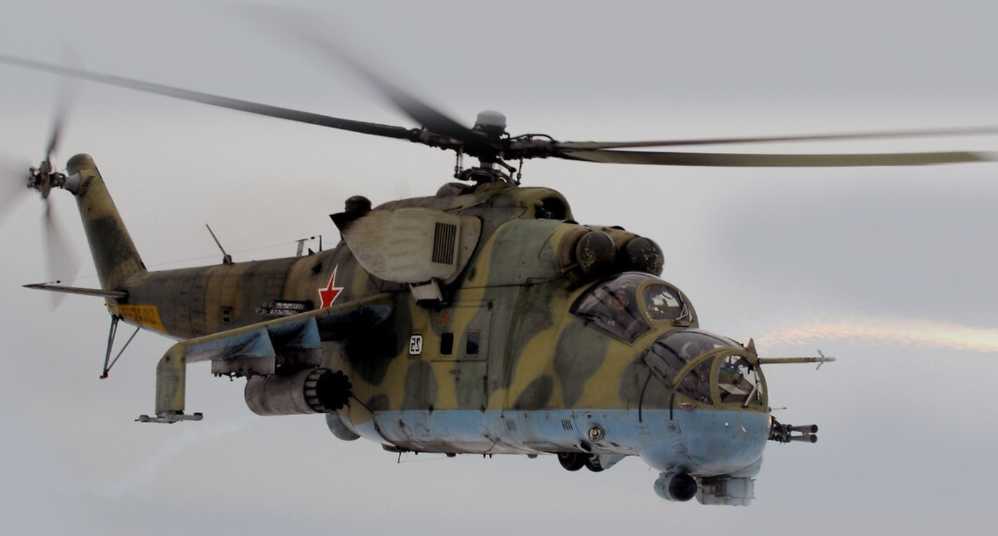
In February 1969, the Soviet Army finally saw for the first time the aerial beast they would use for a long time in the future - the Mi-24, better known by its charming NATO code name: "Doe". The Mi-24A was officially delivered in 1972. As the best answer that the Soviet helicopter industry could give at this time, it not only filled the gap in Soviet armed helicopters, but also made the American AH-1 "Cobra" that entered service in 1967 no longer alone. This makes people sigh that the competition between the East and the West during the Cold War was indeed the most powerful catalyst for their respective innovation capabilities at that time.
But it is regrettable that Mil had passed away in January 1970 due to overwork. Fortunately, the old man saw the successful first flight of the Mi-24A, and as the chief designer of the model, he should be able to smile in his grave. The design concept and development process of the Mi-24 are full of master style. From the initial several schemes to the final decision to directly adopt the structural layout of the Mi-14 helicopter for modification, and the rapid multi-functional short-wing adjustment when facing the difficulty of the new anti-tank missile, all of them demonstrate the design style of Soviet aircraft and the rich experience of the design team.
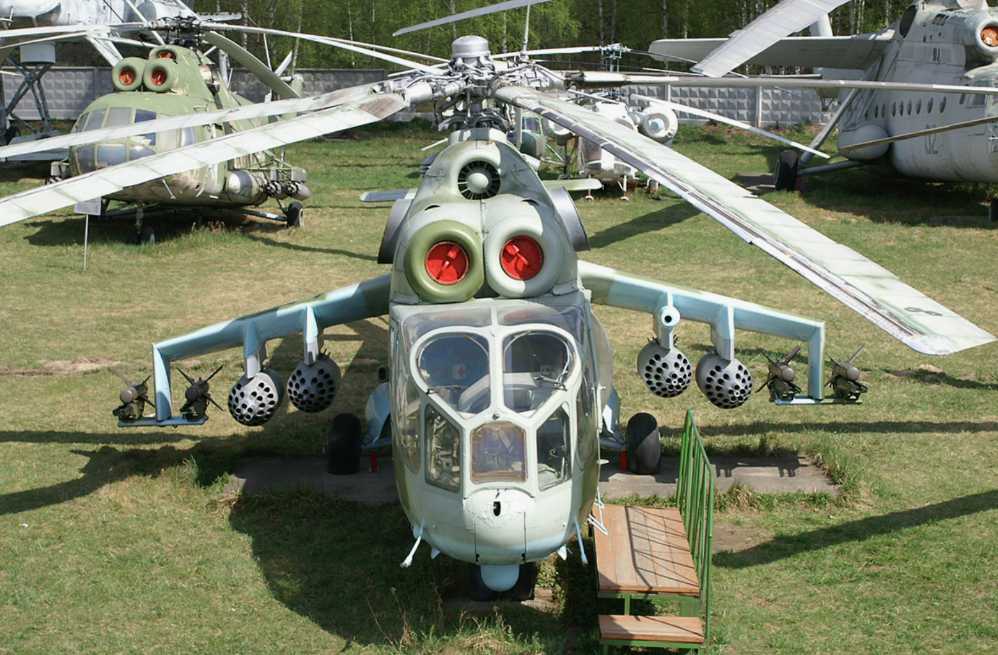
Although we can easily find flaws in the latest improved versions of the Mi-24, and the Mi-24’s combat history over the past few decades is not satisfactory, but considering its heavyweight status as the pioneer of Soviet armed helicopters and its past efforts to fly in the completely unimagined battlefields of Afghanistan and Chechnya, the Mi-24 is completely worthy of its creator and user.
Even though the Mi-24’s passenger compartment often plays a role that other armed helicopters cannot achieve, more often the Mi-24 has to take off with an empty stomach to enhance mobility and increase payload, or the mission does not require it to deploy infantry at all. Since its design is mainly aimed at large-scale joint combat scenarios of rapid deployment and suppression, the many special designs of the Mi-24 make it poorly adaptable. For example, in order to achieve high-speed flight of more than 300 kilometers per hour for rapid assault, it is necessary to reduce the wind resistance. The rotor diameter of the Mi-24 is relatively small compared to its tonnage, and the rotor disc load is large, which leads to its poor hovering and maneuverability, and is prone to flight safety problems in high-temperature plateau areas; the use of a front three-point retractable landing gear can further reduce drag, but the weight and structural complexity are high, and the relatively more fragile landing gear structure is not conducive to absorbing energy to protect the occupants and the body during forced landing; it goes without saying that the Mi-24, which lacks interference countermeasures, is powerless when facing the "Stinger" at the beginning. However, it is regrettable that the Mi-24, which was born for high-intensity conflicts, often malfunctioned or even scrapped due to excessively high-intensity attendance during the invasion of Afghanistan, and the number of helicopters lost due to non-combat factors is even higher than the combat losses. The most well-known is the frequent overheating and overrun failures of the TV3-117 turboshaft engine in the hot Afghan summer. In addition, the dust also makes the engine miserable. In serious cases, the average engine life of the Mi-24 equipped by the Soviet troops in Afghanistan can only reach 40% of that of the domestic troops.
The fact is a little disappointing. The "flying infantry fighting vehicle" was not as well received by the army officers and soldiers as the real infantry fighting vehicle BMP-2. The next generation of Soviet armed helicopters must focus on the future and the world. But no one expected that the new trend of armed helicopters was not first felt by the Soviet Union itself.
Behind the classics is loneliness
Although the US Army in the 1970s had the improved version of the AH-1, it was not satisfied with its small size. The lack of sufficient load carrying and all-weather combat capabilities was unacceptable to the US military deployed globally. After the "Advanced Attack Helicopter Program (AAH)" in the mid-1970s, the Americans finally got the AH-64 "Apache", which is still as good as ever.
The Soviets, who were extremely efficient in intelligence work, learned about the official birth of the AH-64 almost at the same time as the Americans. When the news was passed back to Moscow, they were also dissatisfied with the Mi-24. The Soviets also immediately requested a tender for a new armed helicopter. The reason why Mil Design Bureau was not designated to take over this time was that at this time, another design agency with a long history of helicopter development in the Soviet Union was ready to go-Kamov Design Bureau. Nikolai Ilyich Kamov, the head of Kamov Design Bureau, and Mil are from the same hometown, but their life trajectories are completely different. Kamov had been obsessed with rotorcraft design in his early years, but this long-standing aircraft was unfortunately squeezed out of the mainstream aircraft team by his fellow countryman’s new helicopter.
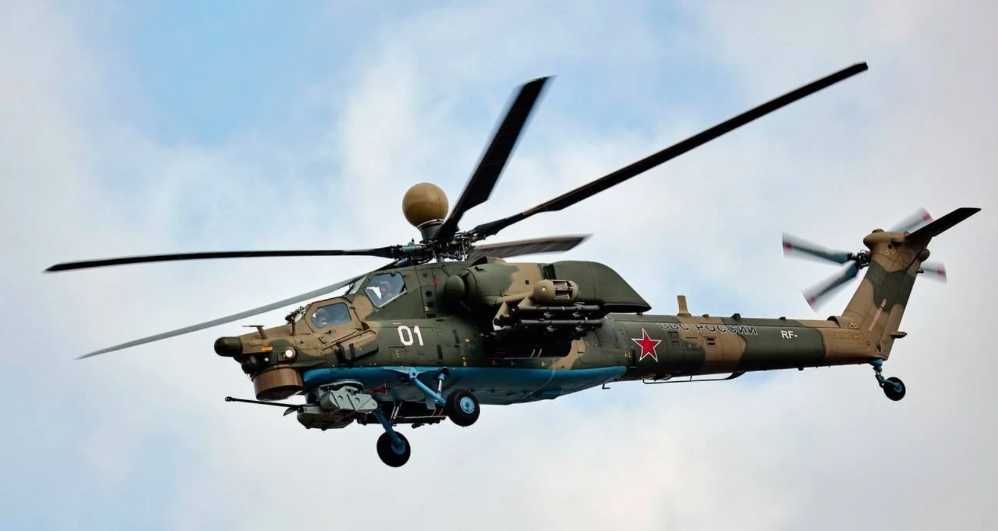
In 1948, Kamov, who had successfully realized the truth, established the Kamov Design Bureau and has since established his own monument in the field of coaxial counter-propeller helicopters. From the advent of the first practical coaxial counter-propeller helicopter Ka-8, to the Ka-25 "Hormone" that flew across the five oceans with Soviet naval ships in the 1960s, the Kamov Design Bureau has become the de facto king of coaxial counter-propeller helicopters in the world. In the early 1980s, Mil took out a helicopter that was comparable to the AH-64 Kamov responded with the sharp and trendy Ka-50, which is similar to the Mi-28. Although the shapes are very different, many technical features of the Mi-28 still reveal the strong Mil-Li bloodline, such as the iconic 17-meter diameter five-blade propeller and TV3-117 turboshaft engine. Of course, the tandem cockpit, front three-point fixed landing gear and relatively slender fuselage also prove that the Mi-28 has been greatly improved. However, Kamov delivered the work earlier than Mil, and in fact, this tender was also promoted by the Kamov Design Bureau.
The Ka-50 exudes a completely different atmosphere from any previous armed helicopter: single-seat, front three-point retractable landing gear, coaxial reverse propeller, life-saving ejection seat. The combination of these technical features has shown a bizarre work that puzzled Western military intelligence agencies, just like the shocking "new thinking" of the last Soviet leader. In the end, it was given the NATO code name "gimmick". But they were wrong. This armed helicopter is not a show-off and eventually became the real winner at the official level. In December 1987, the Soviet Ministry of Defense issued a document to terminate the development of the Mi-28 project. The Ka-50 is expected to enter the Soviet Army in the 1990s and replace the Mi-24 as a professional armed helicopter "leader". If it were not for the Soviet Air Force generals who proposed that the Mi-28A still has its unique value and the project should not be directly cut off, I am afraid that the Mi-28A "catastrophe" would not have seen the disintegration catastrophe and survived after the Cold War.
The following plot is the familiar red flag falling to the ground, and the whole place is in chaos. With the collapse of the country, the fate of the development of the military field of the red camp was almost uprooted. The Ka-50 and Mi-28, this pair of enemies, became duckweed with the same disease. The Kamov Helicopter Technology Complex and the Mil Moscow Helicopter Factory are struggling to maintain. Although the Ka-50 was officially announced to enter the Russian Army Aviation in 1995, and the deeply improved Mi-28N "Night Hunter" project of the Mi-28 was basically not interrupted by the official support, the Russian Federation Army, which could not afford to purchase in bulk, could no longer effectively support the survival and development of the armed helicopter industry.
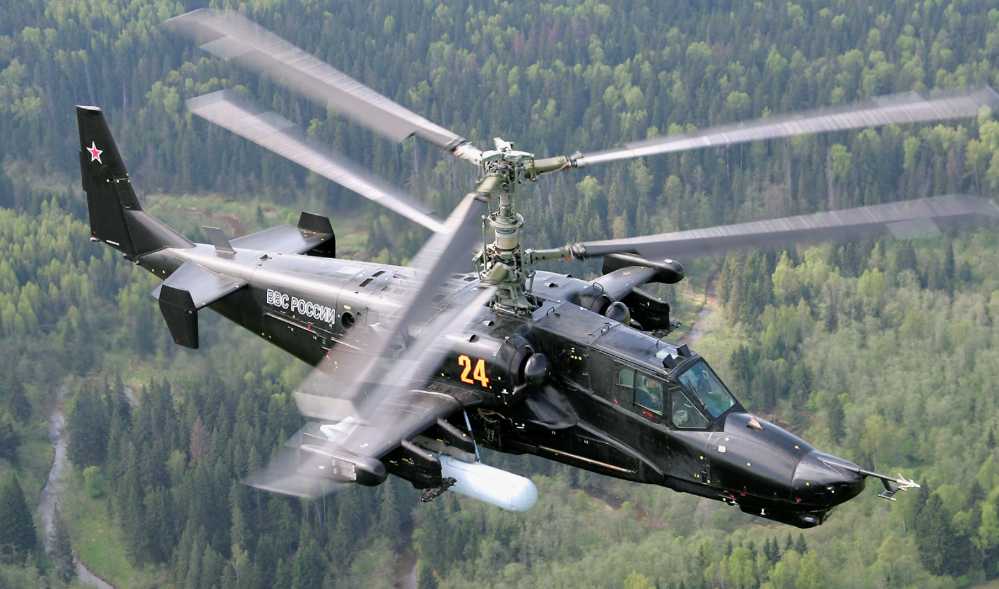
Mi-28 and Ka-50, like other conventional Russian military products, were quickly sent to the international military trade market to be tested by buyers. However, the feedback from buyers after testing was quite disappointing. Not only did the avionics technology of both aircraft lag behind, but they also had their own major problems. For example, the Mi-28A had severe vibration and excessive overweight, while the Ka-50 had extremely low single-crew mission efficiency. Unlike other new equipment in the late Soviet period, the Ka-50 was tested on the battlefield in Chechnya in 2000. It participated in combat operations in a semi-experimental manner, launched a considerable number of aerial rockets and anti-tank missiles, and caused great panic to the Chechen rebels. However, its actual combat effectiveness and feedback from the front line failed to impress the Russian army. After all, the Chechen War was not a foreign war of Russia, but just a counterinsurgency. After entering the new century, the reborn Mi-28N/NM and Ka-52 are quite eye-catching, and both have been equipped with the army and exported. However, the new products at this time no longer have the pride of the Mi-24 flying all over the world, just as their motherland can no longer dominate the world.
The story of high opening and low closing is always repeated in the history of human technological development, but the story of Soviet and Russian armed helicopters is not a simple story of decline. If it is simply considered that Russia is still using and continuously improving the Mi-24 family in the 2020s of the 21st century is a kind of helplessness, then it should also be objectively seen that Americans still regard the AH-64 family as the absolute main force of armed helicopters. Except for the Wuzhi-10 of the Eastern Power and such unknown creations as T129, the world has not seen a large number of brand-new armed helicopters for too long.
Nowadays, we can see the Soviet Union’s future advanced armed helicopter concept data from the late 1980s to the early 1990s that Mil and Kamov kept in the archives, and we can also gain insight into the general technical direction of the next generation of armed helicopters of the US military. Even so, there may still be no one who dares to make an accurate judgment on the characteristics of the vertical take-off and landing flying firepower platform decades later. It is meaningless to only vaguely summarize the future development trend of armed helicopters in Russia and even in various countries in the world with concepts such as "intelligentization, high speed, and low cost". Especially in such an era when equipment such as drones and cruise missiles are rampant on battlefields such as the Russian-Ukrainian conflict, can Russian armed helicopters once again usher in their own "Mi-24 moment"? The answer to the question still needs to be found after one battle after another.