Since March, the Ukrainian army has been fighting fiercely with the Russian army and the armed forces of the Wagner Group in the eastern Ukrainian city of Bakhmut, defending the destroyed city at all costs. However, Alexander Sersky, commander-in-chief of the Ukrainian ground forces, said that the situation around Bakhmut is very difficult, and the Russian army is advancing from multiple directions, trying to break through the Ukrainian army’s defense and advance to the city center. The fierce fighting has caused a large number of losses in Ukrainian tanks and armored vehicles and other technical weapons. The front line is in a state of emergency, and the main battle tanks promised by the West at the beginning of the year are still missing!
When will these Western tanks arrive? When will they be able to generate combat effectiveness? Can they be put into battle before Bakhmut is broken? These are issues that the Ukrainian army and the public are paying close attention to
Real swords and guns or empty checks?
Wars have always been fought with logistics and national strength. Both Russia and Ukraine are trying their best to replenish the urgently needed tanks to the front line. Compared with Russia, which has huge military resources and reserve forces, Ukraine’s military industry system had been disarmed due to political and economic factors long before the conflict. The high consumption characteristics of large-scale conflicts made the Ukrainian army even more stretched. The tanks left over from the Soviet era were about to be exhausted, and they had to seek help from the Western world. After the outbreak of the conflict, Czech Republic, Poland, Slovenia, Morocco and other countries successively provided Ukraine with varying numbers of T-72M1, M55S and other main battle tanks. Since they were all Soviet tanks, they could be quickly put into use after simple modification, which alleviated the urgent needs of the Ukrainian army to a certain extent. However, these old tanks are limited in number and weak in combat effectiveness. Their survivability in the face of new anti-tank ammunition is also worrying. Therefore, Ukraine has always hoped that the West can provide more advanced main battle tanks.
Since January this year, the United States, Britain, Germany, Canada, Spain, Poland, Norway, the Netherlands and other countries have expressed their willingness to provide Ukraine with main battle tanks, including M1A1/M1A2 "Challenger 2", Brahms, "Leopard" 2A4, "Leopard" 2A6 and the older "Leopard" 1 and other Western tank models. Pakistan, which has close relations with Ukraine, has also expressed that it will return the T-80UD main battle tanks sold by Ukraine to the Ukrainian army to support its fight against Russia. Let’s first count the attitudes of various countries towards tank assistance to Ukraine.
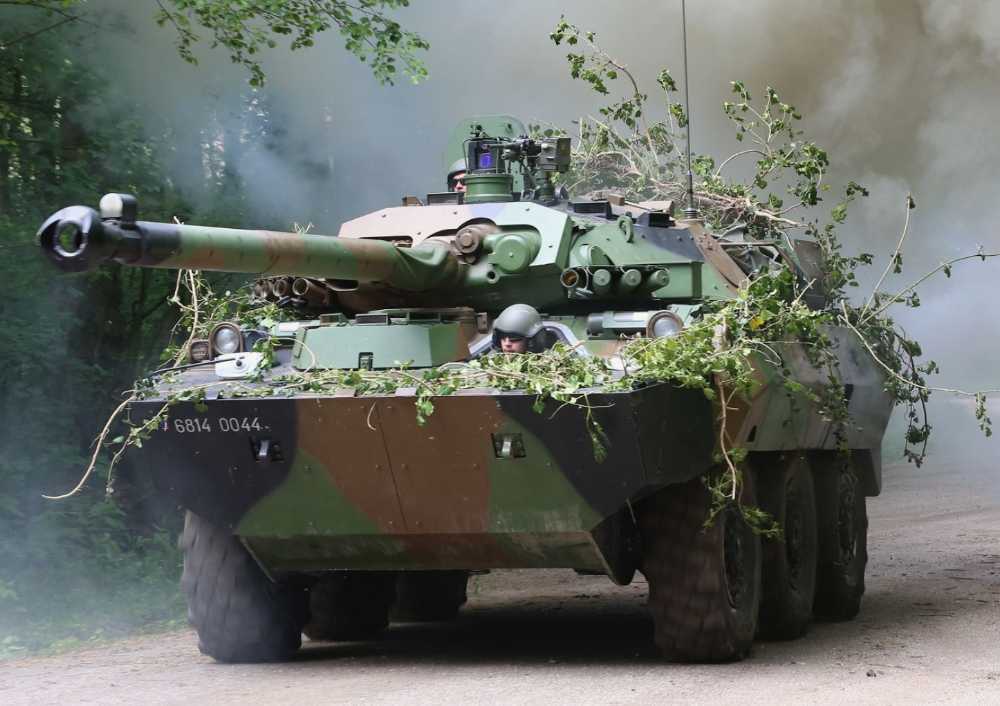
Many European countries took the lead in expressing their willingness to provide Ukraine with "Leopard" 2 main battle tanks, mainly the wedge-less armored "Leopard" 2A4 main battle tanks that these countries are preparing to eliminate, but the resale or transfer of this tank requires the permission of the original producer Germany. It was not until the end of January that the German parliament approved the above countries to provide "Leopard" 2A4 tanks to Ukraine. At present, Canada, Spain, Poland, Norway and other countries have expressed their willingness to provide different numbers of Leopard 2A4 tanks, including Canada, Spain, Poland, Norway, and the Netherlands. At the same time, Germany has also decided to provide Ukraine with at least 14 more advanced Leopard 2A6 main battle tanks. Interestingly, Germany made this decision on the premise that the United States agreed to deliver tanks to Ukraine. At the end of January, the United States officially launched a new round of aid plans, promising to provide Ukraine with about 30 M1A2 Abrams main battle tanks and up to 60 M2A2 Bradley infantry fighting vehicles. Earlier on January 14, the British Prime Minister’s Office also stated that it would provide Ukraine with 14 Challenger 2 main battle tanks, and the number has recently increased to 28. So far, among the four mainstream third-generation main battle tanks in the West, only the French government refused to provide the Leclerc main battle tank, and took the AMX-10RC armored reconnaissance tank, which is known as the "wheeled tank". Except for the Leclerc, the other three main battle tanks will soon gather in Ukraine. On January 31, Ukrainian Foreign Minister Kuleba excitedly told the media that Kiev will receive 120 to 140 Western tanks within the framework of the first batch of aid. He revealed that after the military equipment provided by the West arrives in Ukraine, Ukraine plans to launch a large-scale counterattack against Russia. On February 7, the German Federal Security Council also approved the plan to export 178 second-generation "Leopard" 1A5 main battle tanks to Ukraine, and Denmark and other countries also stated that they would assist Ukraine with about 80 "Leopard" 1A5 main battle tanks.
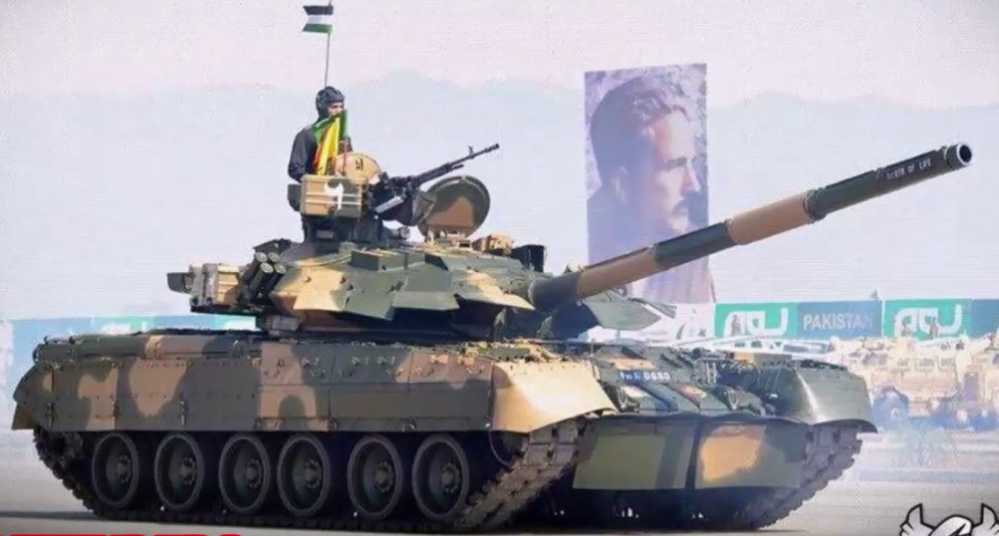
In addition to Western countries, as a partner with Ukraine Pakistan, which has close relations with Ukraine, has also made new moves recently. On March 10, information was released on Russian social networks citing Pakistani media reports that Pakistan plans to transfer 44 T-80UD main battle tanks to Ukraine in exchange for financial assistance from Western countries. As early as 1996, Pakistan purchased 320 T-80UD main battle tanks from Ukraine. In addition to the first batch of 15 and the second batch of 20 tanks from the Soviet army’s inventory, the subsequent 285 were all newly produced improved T-84 tanks in Ukraine. Since the beginning of the internal conflict in Ukraine in 2014, Pakistan has always stood on the side of the Ukrainian government, providing it with humanitarian assistance and a large amount of military equipment, including artillery shells, propellants, fuses, etc. Pakistan’s transport planes to Ukraine have not been Pause, the 44 T-80UD main battle tanks provided this time can be described as "returning home to fight the enemy"
However, neither the three major Western main battle tanks nor the T-80UD main battle tanks will be equipped on a large scale in the Ukrainian army in the near future. At present, there are three main reasons:
First, the training of tank operators has not been completed. In addition to the T-80UD, which can be directly driven to the front line without additional training after being delivered to the Ukrainian army, Western tanks use NATO standards, so Ukrainian tank operators need to be fully trained in both operation and maintenance. At least they need to be able to read English or German to drive tanks.
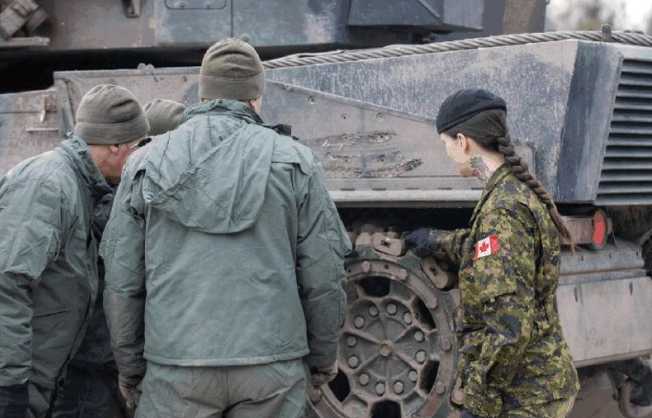
Ukraine sent multiple batches of tank soldiers to many countries to learn to drive the "Leopard" 2A4 main battle tank at the end of last year. For example, according to AFP, hundreds of Ukrainian officers and soldiers received high-intensity tank operation training at the famous Munster Tank School in Germany, 12 hours a day, 6 days a week, for 5 weeks. Due to the urgency of the war, the training time has been halved, but these trainees still have to learn to operate and maintain the Leopard 2 main battle tanks in an all-round way. The German instructors have translated the textbooks into Ukrainian and only conducted a small amount of theoretical learning, leaving more time for practical operation. Tanks driven by Ukrainian soldiers have recently appeared in the forests on the outskirts of Munster. At the same time, the Ukrainian army also sent 40 tank soldiers and 15 mechanics to a military base in Zaragoza, northeastern Spain, to receive a four-week training on the operation and maintenance of the Leopard 2A4 main battle tanks, and were allowed to participate in the exercise. In addition, officers of the 4th Tank Brigade of Ukraine also appeared at the training ground in Poland to learn to use the Leopard 2A4 main battle tanks. According to Polish media reports, this Ukrainian tank unit used T-64BV main battle tanks in the early stage of the war, but the T-64BV main battle tanks of this unit were almost exhausted during the war. Later, a small number of Ukrainian-made T-72AMT main battle tanks and Polish-aided T-72M1 main battle tanks were also used. At present, one battalion of the brigade has been transferred back from the front line for repair, and personnel have been sent to Poland to learn to drive the "Leopard" 2A4 main battle tank, while other battalions are still in Bakhmut in Donbass.
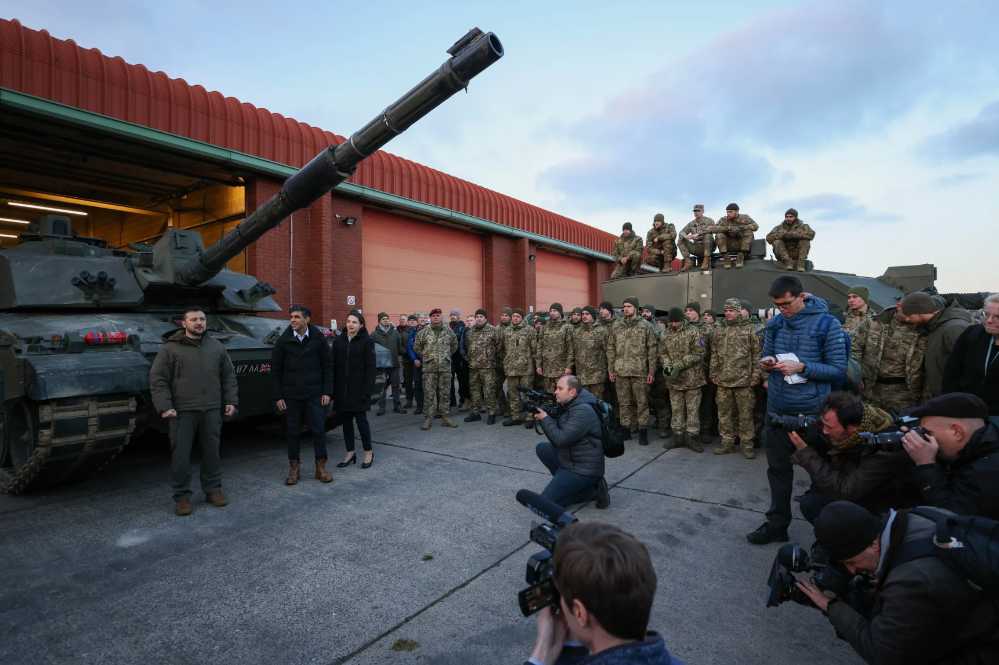
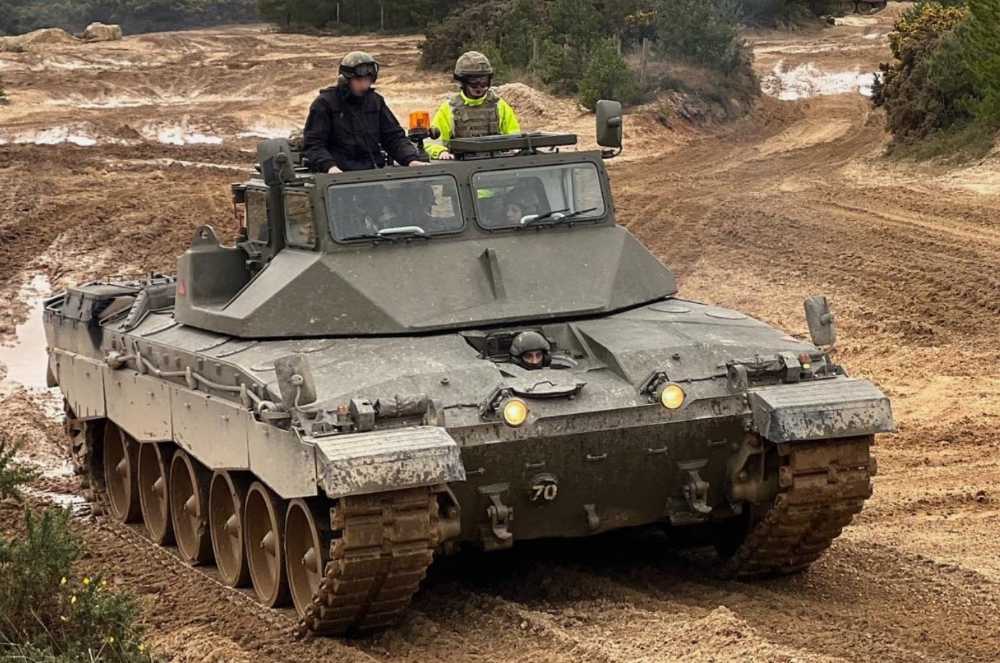
At the same time, soldiers from the 25th and 80th Air Assault Brigades of Ukraine were sent to the Army Training Ground in the Luworth Mountains in Dorset, England, to learn to drive the "Challenger" 2 main battle tank. Unlike the airborne forces of the British or American armies, each company of the Ukrainian Air Assault Brigade has 10 tanks, so the 28 "Challenger" 2 main battle tanks provided by the UK will equip one tank company for each of the two brigades. The training is expected to be completed by the end of March.
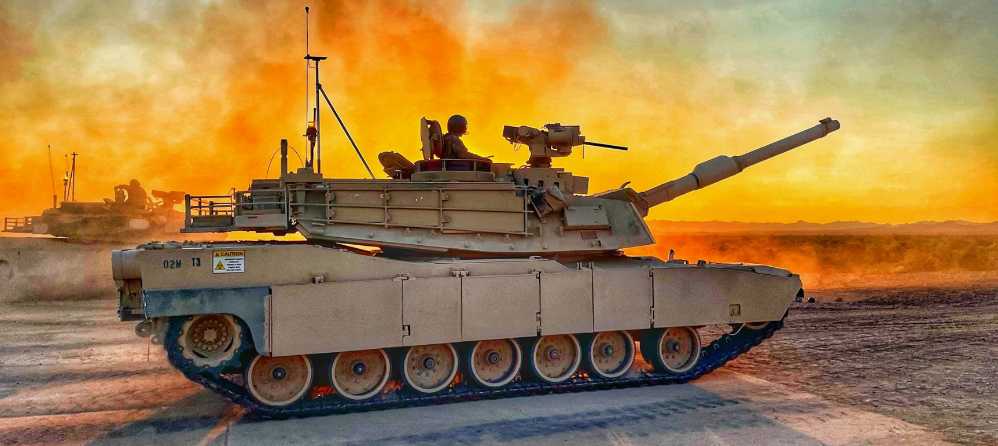
Second, the tank transformation work has not yet begun. This mainly involves the US M1A2 main battle tank. According to relevant insiders, the United States plans to provide Kiev with the M1A2 "Abrams" main battle tank, not the old M1A1 main battle tank stored by the military. With the retirement of the Marine Corps M1A1HA main battle tank, the M1A2 will become the only main battle tank in active service of the US military. Since US federal policy prohibits the export of "Abrams" tanks with the depleted uranium armor technology used by the US military itself, the United States will inevitably dismantle the depleted uranium armor and replace it with other armor components required by customers before selling the vehicles to other countries. According to a Defense Department official and two other insiders, it is this "exportable" form of M1A2 tanks that the Pentagon plans to provide to Ukraine.
However, there are still questions about the timetable for when the "Abrams" tanks can be shipped to Ukraine. These tanks are assembled in only one place - a government-owned tank manufacturing plant operated by General Dynamics in Lima, Ohio. The plant can produce 12 main battle tanks per month, but the production line is now crowded with new tank orders from Taiwan and Poland - these orders are difficult to put on hold, which will result in tanks provided to Ukraine without workers and man-hours for modification. Poland has ordered 250 M1A2 main battle tanks, which will begin to be delivered in 2025, and Taiwan ordered 108 M1A g in 2019, with the first batch expected to be delivered in 2024. General Dynamics does not build M1 tanks from scratch, but has many "M1 seed vehicles", which are retired vehicles in the past. When new orders are received, General Dynamics will modify these "seed vehicles" with new technologies according to the selected models.
The United States said it is ordering new "Abrams" tanks from the industry instead of allocating tanks to Ukraine from the army’s inventory, which will put the timetable for providing tanks back, and the United States has not yet begun training the Ukrainian army on how to maintain and operate these tanks, so it is almost impossible for the "Abrams" main battle tank to enter the Ukrainian battlefield in the short term.
Third, the wait-and-see attitude still exists. For small NATO countries, they all follow the lead of major powers such as the United States, Britain, France, and Germany. Although these major powers have also expressed their willingness to provide tanks, they have not actually delivered them for various reasons. Therefore, small countries do not need to rush to send tanks to Ukraine. In addition, some of these small countries have additional conditions, that is, while providing the old "Leopard" 2A4 main battle tanks, they require NATO major powers to equip them with more advanced main battle tanks. In this way, the delivery time of the old tanks is closely linked to the arrival time of the new tanks. For example, while Norway provided the "Leopard" 2A4 main battle tank, it chose the new generation of "Leopard" 2A7 main battle tank as a new option. Poland also asked the United States to speed up the delivery of the "Abrams" main battle tank, and even proposed to receive 116 M1A1HA main battle tanks from the US Marine Corps first.
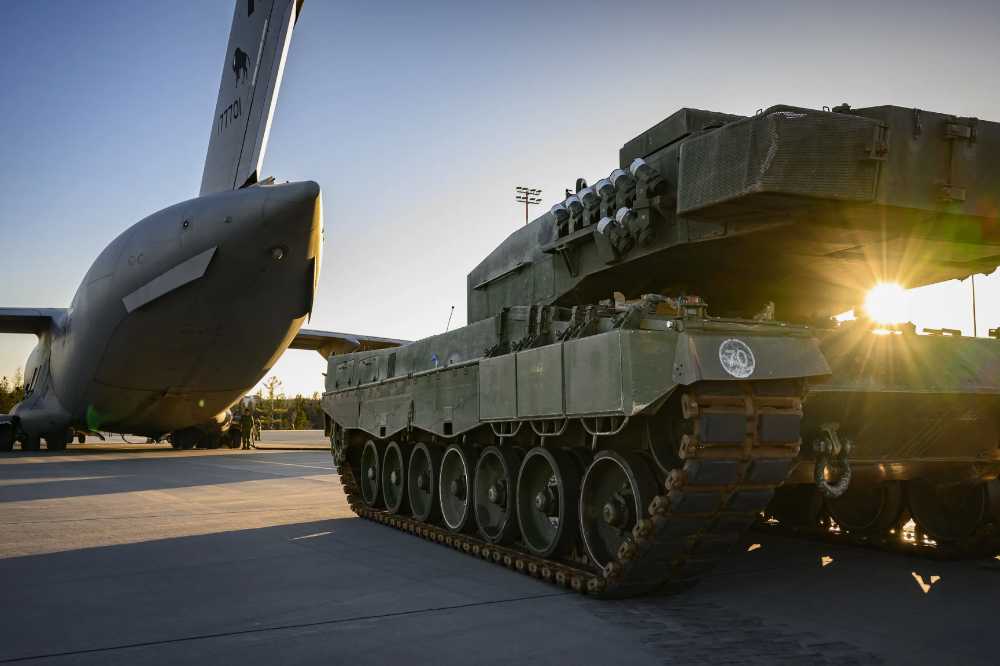
Precisely because of the above reasons, very few Western main battle tanks have actually been delivered to Ukraine. Germany said that although the tanks it provided will come from industrial stocks, the first batch will ideally be delivered to Ukraine as early as this summer, but most will not be delivered until 2024. On February 5, the Canadian Air Force CC-177 Globemaster III strategic transport aircraft delivered the first Leopard 2A4 main battle tank to Poland, but this tank did not become the first Western third-generation main battle tank delivered to the Ukrainian army, but was left in a Polish training camp to train Ukrainian tank soldiers. In fact, the first batch of tanks that arrived in Kiev were four Leopard 2A4 main battle tanks provided by Poland in February. According to AFP, Poland said on March 9 that it had delivered an additional 10 Leopard 2A4 main battle tanks to Ukraine as promised, which increased the number of Leopard 2A4 main battle tanks owned by the Ukrainian army to 14. In addition, Denmark also stated that a batch of Leopard 1A5DK main battle tanks will be delivered to Ukraine in the spring.
Although these measures can appease Ukraine’s anxiety to a certain extent, they are not of much help in making up for battlefield losses in the short term.
Three levels of Western tanks aiding Ukraine
Although the Ukrainian army and media regard Western main battle tanks as saviors, can these tanks really dominate the Ukrainian battlefield?
From the performance analysis, these main battle tanks are actually divided into three levels.
The highest level: the US M1A2 main battle tank, the British "Challenger" 2 main battle tank and a small number of German "Leopard" 2A6 main battle tanks, all of which are the pinnacle works of the third-generation main battle tanks. Compared with Russian main battle tanks, these three Western tanks have generally higher fire control systems and informationization levels, and their night combat sighting performance exceeds that of Russian tanks. For example, the M1A2 main battle tank is equipped with a second-generation thermal imaging system, an independent thermal imager for the commander, a true-color flat-panel display, a digital topographic map, a thermal control system, and the latest digital command, control, and communication equipment. This not only enables the tank to have a "hunter-killer" combat capability, but also greatly improves the tank’s ability to engage the enemy in low visibility conditions. The night vision capability of the second-generation infrared night vision device is much better than that of the M1A1 in the Gulf War. The maximum detection range of the M1A1 is 4 kilometers, while the M1A2 currently reaches 6.8 kilometers. The autonomous navigation system on the vehicle can quickly and accurately calibrate its own position through GPS satellite positioning. The advanced battlefield management system and inter-vehicle information system can transmit the position and action data of its own and enemy tanks in real time throughout the armored force. On the commander’s display, the configuration and actions of the enemy and friends can be seen. The fire control system and night vision capability of the "Leopard" 2A6 are also good. The gunner and commander are both equipped with third-generation ATTICA thermal imagers. In comparison, the Challenger 2 main battle tank fire control system is weaker. The ordinary model only has the ability to "hunt and kill" during the day, and the later upgraded version has the ability to "hunt and kill" all-weather. But even so, it is stronger than the sighting system of the T-72 series main battle tanks commonly equipped by the Russian army. For example, the new 1a40-1M fire control system equipped with the Russian army’s T-72B3 main battle tank is the core of the Belarusian-produced "Pine" U multi-channel sighting mirror, equipped with the "Catherine" thermal imager introduced from France, with a maximum night vision distance of 3,500 meters, which is already the pinnacle of Russian tanks. The slightly newer T-72B is equipped with an active infrared/low-light night vision dual-channel 1K13-49 gunner’s sight, with a night vision distance of more than a kilometer. If it is the infrared night vision device of the old T-72A, relying on the infrared headlight to assist in night vision observation and aiming, the visual range is less than 800 meters, even worse than the modern civilian handheld night vision device.
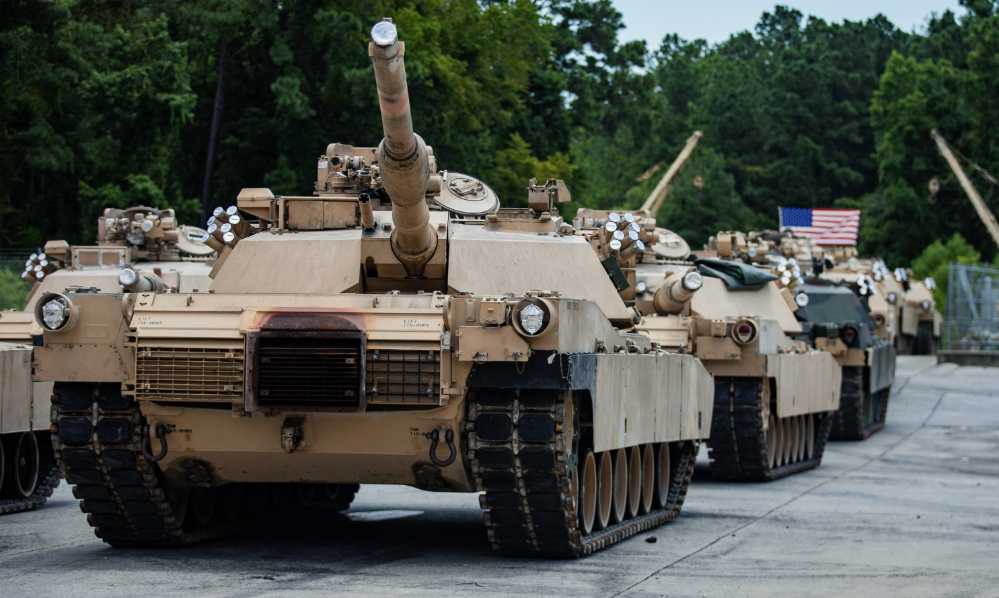
M 1A 2, Challenger 2 and Leopard 2A6 main battle tanks are still superior to Russian tanks in terms of protection and firepower, but this advantage does not have an absolute gap on the Russian-Ukrainian battlefield. The export-type M1A2 is not equipped with the depleted uranium armor that Americans are proud of. It was destroyed by the Chinese-made "Red Arrow" 8 anti-tank missile, and the Challenger 2 main battle tank also had a record of being penetrated by armor on the Iraqi battlefield. Therefore, these thick armors are not completely reassuring when facing Russian tank guns or more powerful anti-tank missiles. In comparison, the wedge-shaped armor of the Leopard 2 main battle tank has a stronger defensive capability on the front. As for the artillery, if depleted uranium armor-piercing shells are not exported, the artillery power of the M1A2 main battle tank will be greatly reduced, and the 120mm rifled gun of the Challenger 2 is not stronger than the Russian 125mm tank gun. The firepower advantage of advanced Western tanks is mainly reflected in the use of multi-purpose ammunition, which is more handy in urban warfare and other offensive operations.
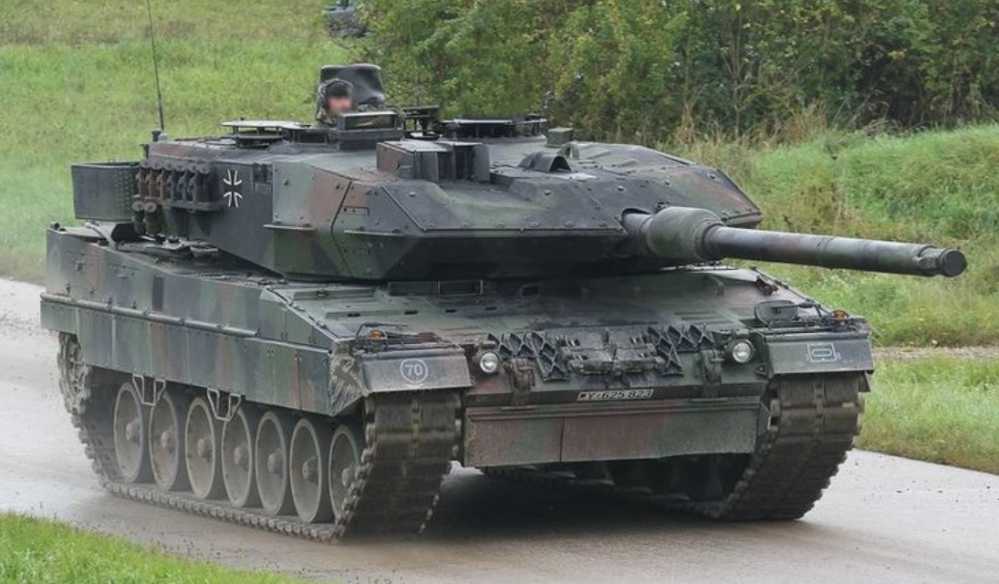
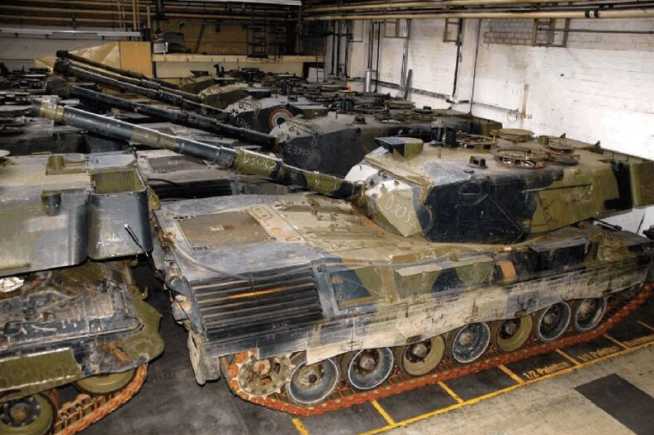
The second tier: the "Leopard" 2A4 main battle tanks provided by many Western countries. The Leopard 2A4 is a main battle tank developed by Germany in the 1980s. It is the most advanced model in the non-wedge-shaped armor configuration. It has a combat weight of 55 tons and is equipped with a 1,500-horsepower engine. It has very strong speed and mobility. The body and turret are both made of steel/ceramic intermittent composite armor. It has a 120mm smoothbore gun. The fire control adopts a command-style stabilized fire control system, which has a high first-shot hit capability. The gunner has an EMES15 periscope with a thermal imaging system. Although the commander is not equipped with a thermal imager, he can share the gunner’s observation screen. In general, the firepower accuracy of the Leopard 2A4 main battle tank is generally better than that of the active Russian tanks, and its mobility is also very good, but its weakness is also very obvious, that is, the steel/ceramic intermittent composite armor can no longer provide good protection for tanks on the contemporary battlefield. The Leopard 2A4 main battle tanks equipped by Turkey were destroyed in large numbers by a variety of anti-tank weapons used by Kurdish armed forces in Syria, and even the tragic situation of the body and head being separated after the ammunition exploded. Therefore, it can be predicted that in the Russian-Ukrainian battlefield where anti-tank ammunition is flying, the Leopard 2A4 main battle tank is best to rely on its mobility and good fire control system to act as a mobile firepower point on the front line, and destroy the tanks and armored vehicles of the Russian army with precise firepower. If the Ukrainian army puts the Leopard 2A4 main battle tank into offensive operations on the field or urban assault operations, this huge but unbeatable tank will inevitably become a mobile iron coffin.
The third tier: the Leopard 1A5 main battle tank currently provided by Denmark and Germany. The Leopard 1 MBT is a second-generation Western MBT that entered service in the 1960s. It is also the first domestic MBT in the Federal Republic of Germany. By the 1980s, the old Leopard 1 MBT was no longer able to cope with the Soviet Union’s steel torrent, so a series of modernization improvements were made. The final model was the Leopard 1A5 MBT, equipped with a modern fire control system and all-weather night vision goggles. The Leopard 1A5 was exported to many NATO countries. Although Germany retired all Leopard 1 MBTs in 2003, some Leopard 1A5 MBTs are still in service in other countries. The overall level of the Leopard 1A5 exceeds the T-62A MBT put into the battlefield by the Russian army, and is close to the T-72A MBT. It can deal equal damage, but is completely weaker than Russian tanks above the T-72B. Moreover, although the Leopard 1A5 has enhanced its protection by installing intermittent armor, it can only be said to be better than nothing in the face of the Russian army’s modern anti-tank firepower. Moving around on the battlefield is equivalent to "streaking". In general, only a very small part of the various main battle tanks promised by the West are comprehensively superior to the Ukrainian army’s T-64BV/BM, T-72AMT and other main battle tanks. The more important role is to make up for the Ukrainian army’s consumption on the front line in terms of quantity, so that it will not cause major changes in the battle situation due to the lack of tanks. Faced with the full-domain strike system composed of drones, attack aircraft, tanks, anti-tank missiles, anti-tank rockets, and even towed anti-tank guns on the Russian-Ukrainian battlefield, these Western main battle tanks that have not yet been able to enter the battlefield cannot guarantee that they are "Golden Bell Iron Cloth Shirt", and the short-term advantages brought by quantity will also be continuously consumed in battle.
How can the Russian army stop the pace of Western tanks moving eastward?
Once Western tanks appear in Ukraine, they will put more pressure on the already stretched tank armored forces of the Russian army. Faced with the aggressive Western tank offensive, Russia is not to be outdone. In addition to speeding up the production of new main battle tanks such as T-90M, it will also temporarily intercept the T-90S export-oriented main battle tanks that are ready to be sold abroad and send them to the front line, and unblock and modify a large number of T-62 medium tanks in stock to make up for the loss of front-line tanks.
On February 2, Putin attended the "80th Anniversary of the Victory of the Anti-Fascist Battle of Stalingrad" in Volgograd and said, "80 years later, foreign forces are threatening us with German tanks with iron crosses, and are planning to use Nazis to fight Russia on Ukrainian soil." Putin said that it is far from enough for Russia to deal with threats only with armored vehicles. Everyone should understand this. Modern Nazism is posing a new threat to Russia, and Russia is forced to fight back against the West again. Russian State Duma Chairman Vyacheslav Volodin also said that the tanks sent by Germany to fight Russia will face the same fate as 80 years ago, and the "Panther" tank will repeat the fate of the "Tiger" tank-all will be destroyed!
Western countries’ military aid to Ukraine is still escalating, and Russia must also be fully prepared for this. At present, Russia is actively taking four countermeasures:
First, invest in new tanks. At present, the most advanced Russian military tank on the front line is the T-90M "Breakthrough" main battle tank. The latest batch of T-90M has appeared in the battlefield video on February 7, launching artillery attacks on Ukrainian positions. The T-90M is a deeply improved version of the T-90 series. It has powerful firepower, protection and mobility. Its overall performance is better than the "Leopard" 2A4 main battle tank. Compared with new Western tanks such as the M1A2, "Challenger" 2 or "Leopard" 2A6, it is not inferior. However, the T-90M main battle tank has also suffered losses in previous battles. The first T-90M was destroyed by the Ukrainian army with a "Carl Gustav" recoilless gun. On March 16, at a Ukrainian military press conference, the Ukrainian army publicly displayed the parts removed from the captured T-90M tanks, including Chinese-made mercury cadmium telluride cooled infrared detectors, chips and semiconductor equipment produced in Malaysia and the United States, etc.
In addition, Russia is training tank crews for the T-14 "Armata" main battle tank at the Kazan Tank School. The T-14 is a new generation of main battle tanks developed by the Russian Ural Transport Machinery Design and Manufacturing Bureau in 2009. Compared with traditional third-generation tanks, it has revolutionary changes. The T-14 has a combat weight of 65 tons. For the first time, it uses an unmanned turret with a smaller outline. The three crew members are all located in the front fighting compartment of the vehicle body, which is better protected. The main weapon is a brand new 2A82 125mm/55-caliber smoothbore gun, which is more powerful and accurate than the current Russian-made 52-caliber 125mm smoothbore gun, and can fire new ammunition. In the future, it will also be equipped with a more powerful 2A83 152mm tank gun. In terms of fire control, a new digital combat command system is used. Tank soldiers can use interactive LCD monitors to observe the battlefield, find targets and mobilize artillery to aim at targets. In terms of protection, it adopts new composite armor and a new generation of double-anti-additional armor, and is equipped with an active protection system. It uses millimeter-wave radar to detect incoming ammunition, and interceptor missiles can intercept 360-degree incoming armor-piercing targets. In terms of power, it is equipped with a new 1,500-horsepower engine for the first time to offset the impact of increased combat weight on mobility and ensure a combat speed of 70 kilometers per hour.
People have been looking forward to the early deployment of this fourth-generation main battle tank on the battlefield, but this tank is still in the running-in period, and mechanical failures still plague Russian tank soldiers. The so-called T-14 main battle tank reported in Ukraine has basically been confirmed to be a picture taken from the rear. There is no news of T-14 fighting on the front line. Compared with the role it can play, T-14 is more like the latest representative of Russia’s steel torrent, and its political significance is greater than its practical significance.
The second is to speed up tank production. Compared with the expensive and immature T-14 main battle tank, the Russian army is currently producing various active third-generation main battle tanks at full capacity. On February 7, Putin personally went to a military factory to supervise production. During his inspection of a military factory in St. Petersburg, he saw workers working around the clock to modify and produce T-72B3 main battle tanks. Putin praised them highly and ordered on the spot that the military factory workers could be exempted from military service. At present, many Russian military factories have received orders, with a new batch of orders exceeding about 300 vehicles, including both the production of new tanks and the unsealing and modification of inventory tanks. In short, they are doing everything possible to provide more tanks to the front line.
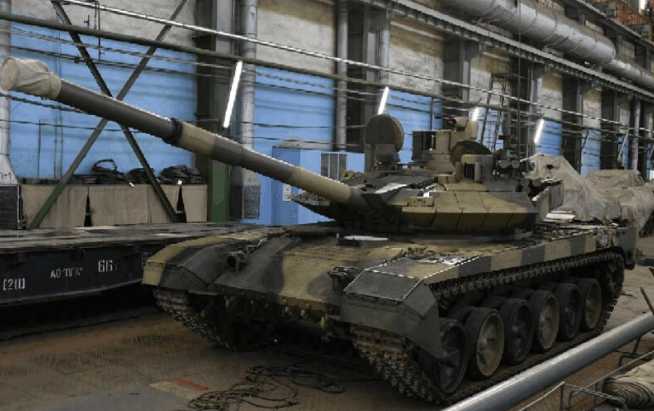
It is understood that the Omsk Transport Machinery Manufacturing Plant is exploring its potential to upgrade the T-80BV main battle tanks in stock to T-80BVM main battle tanks. This type of tank has been put into the Russian-Ukrainian battlefield in batches. At the end of last year, the Omsk plant sent a new batch of T-80BVM to Ukraine. This tank equipped with a new type of "fossil" heavy reactive armor has Better protection The Uralvagonzavod Tank Plant is currently working hard to produce T-90M and T-72B3 main battle tanks. The T-72B3 is modified from the existing tanks. In addition, it has a simple structure and low price, so it is the main product. The Russian army is currently on a long front in eastern Ukraine and needs tanks everywhere. Instead of producing 10 T-90M main battle tanks, it is better to quickly modify 30 T-72B3 main battle tanks. Obviously, the latter is more popular with the Russian army on the front line.
The third is to deploy unmanned combat vehicles. In early February: The Russian army deployed four "Marked unmanned ground vehicles" to Ukraine. The vehicle has a 7.62mm machine gun and four RPG-26 anti-tank rocket launchers, which have certain anti-armor capabilities. In the future, it may also send more powerful "Uranus" 9 unmanned combat vehicles, which are equipped with 30mm machine guns, anti-tank missiles, anti-aircraft missiles, etc. With its low size and powerful firepower, it can effectively snipe Western main battle tanks.
What is more confusing is that the Russian army’s unmanned combat vehicles have actually been put into actual combat as early as during the Syrian war, and cooperated with Syria The Armenian government forces have won many beautiful victories. However, unmanned combat vehicles are rarely seen in the Russian-Ukrainian conflict. This may be due to the bias in Russia’s strategic decision-making. It is more inclined to produce manned main battle tanks, but has not stepped up the mass production of unmanned ground vehicles. As a result, these unmanned combat vehicles designed with great effort can only be put into battle in single digits, and their impact on the war situation is obviously not as great as that of drones.
Fourth, strengthen air power. Recently, the Ka-52 armed helicopters of the Russian Army Aviation have appeared frequently on the Ukrainian battlefield again, and they use the latest "production 305" anti-tank missiles to attack Ukrainian targets. These armed helicopters with powerful anti-tank firepower are the natural enemies of Western tanks, and can effectively play a restraining and deterrent role, forcing Western tanks to operate under the protection of field air defense systems.
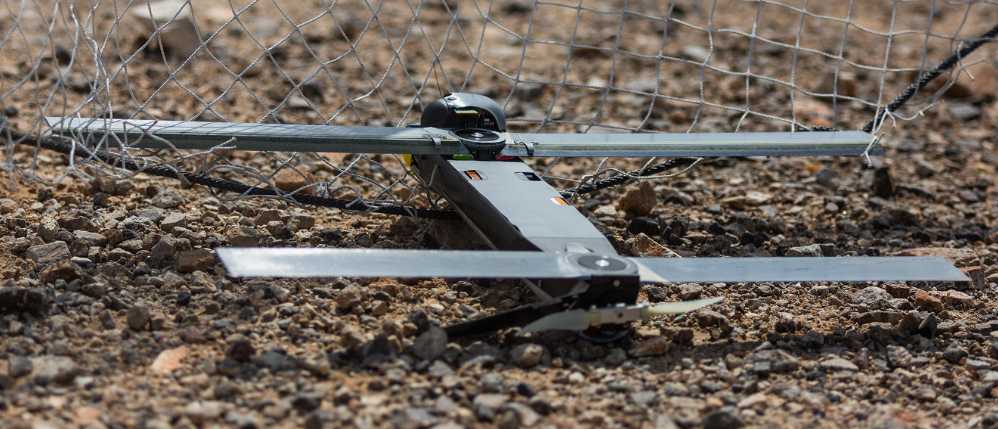
In addition, the Russian military’s drone reconnaissance and strike activities have also begun to increase. The various drones and cruise missiles equipped by the Russian military pose the greatest threat to Ukrainian armored targets, which is far more effective than tanks hitting tanks. In the videos released by the Russian military in the past, we can see the Russian military’s "Lancet" cruise missile destroying Ukrainian armored targets. On the other hand, although the less powerful "Lancet" cruise missiles are difficult to penetrate the frontal armor of Western main battle tanks, hitting the engine compartment of the vehicle body will also make it lose its combat effectiveness, or conduct aerial reconnaissance and positioning, and guide long-range artillery to carry out precise strikes. These are the specialties of drones and cruise missiles.
In fact, there are a series of unpredictable factors when Western tanks will enter Ukraine to fight. It is estimated that they will appear on the front line in the spring and summer of this year. At that time, the dragon-tiger hegemony with Russian tanks will be fiercely launched. Let us wait and see who will win!